Dedicated Circuits for Home Equipment
A dedicated electrical circuit supplies one planned load through its own breaker and wiring, requiring professional dedicated circuit installation. Circuit requirements depend on the equipment specifications, routing, and available electrical capacity, not just the appliance category.
- Install a new EV charger at home.
- Add a heat pump or electric HVAC unit.
- Connect an outdoor hot tub or spa.
- Install a residential RV receptacle.
- Add an induction range or wall oven during a remodel.
- Supply workshop or specialty equipment safely.
- Replace an unsuitable shared circuit with a dedicated line.
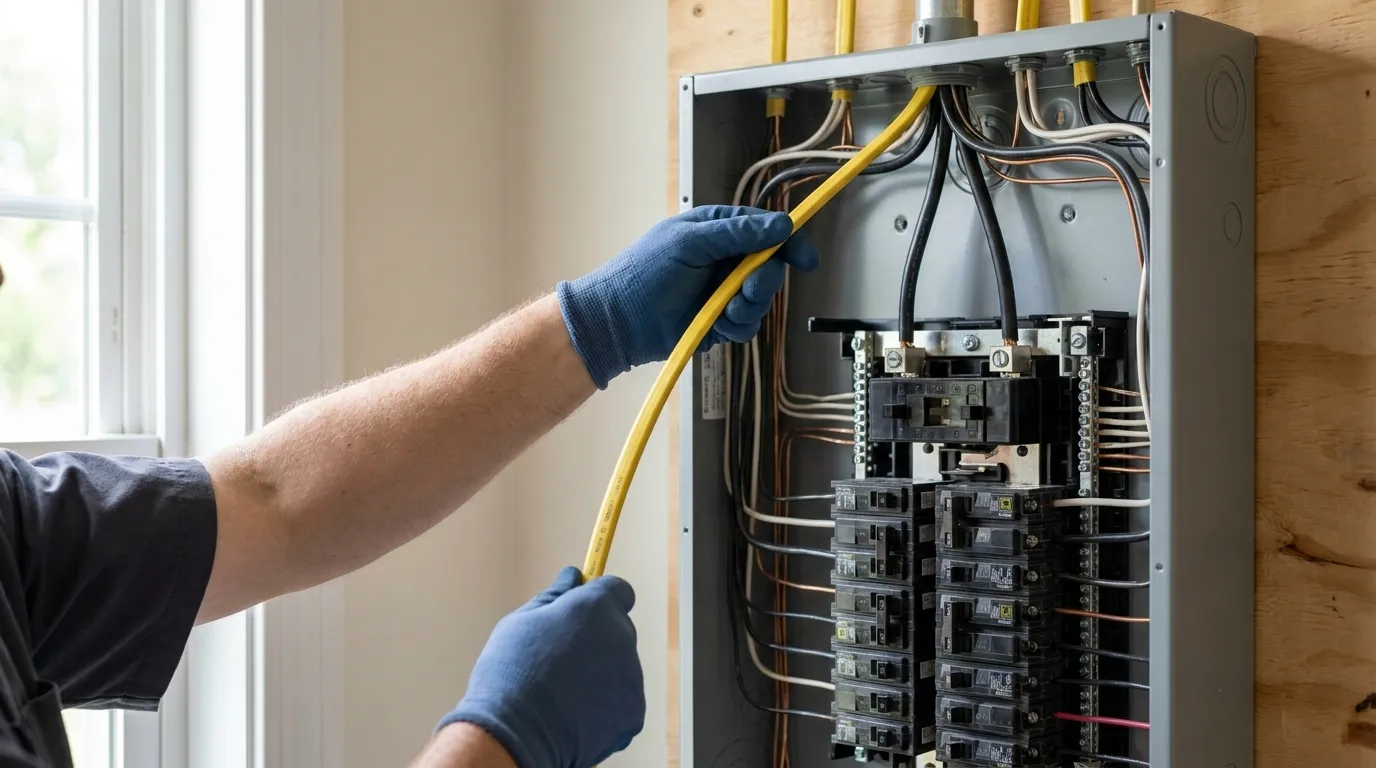
Choose the Dedicated Circuit Service for Your Equipment
Dedicated circuit requirements vary by equipment type, manufacturer specifications, location, voltage, load, protection, and whether the connection uses a receptacle or hardwired installation.
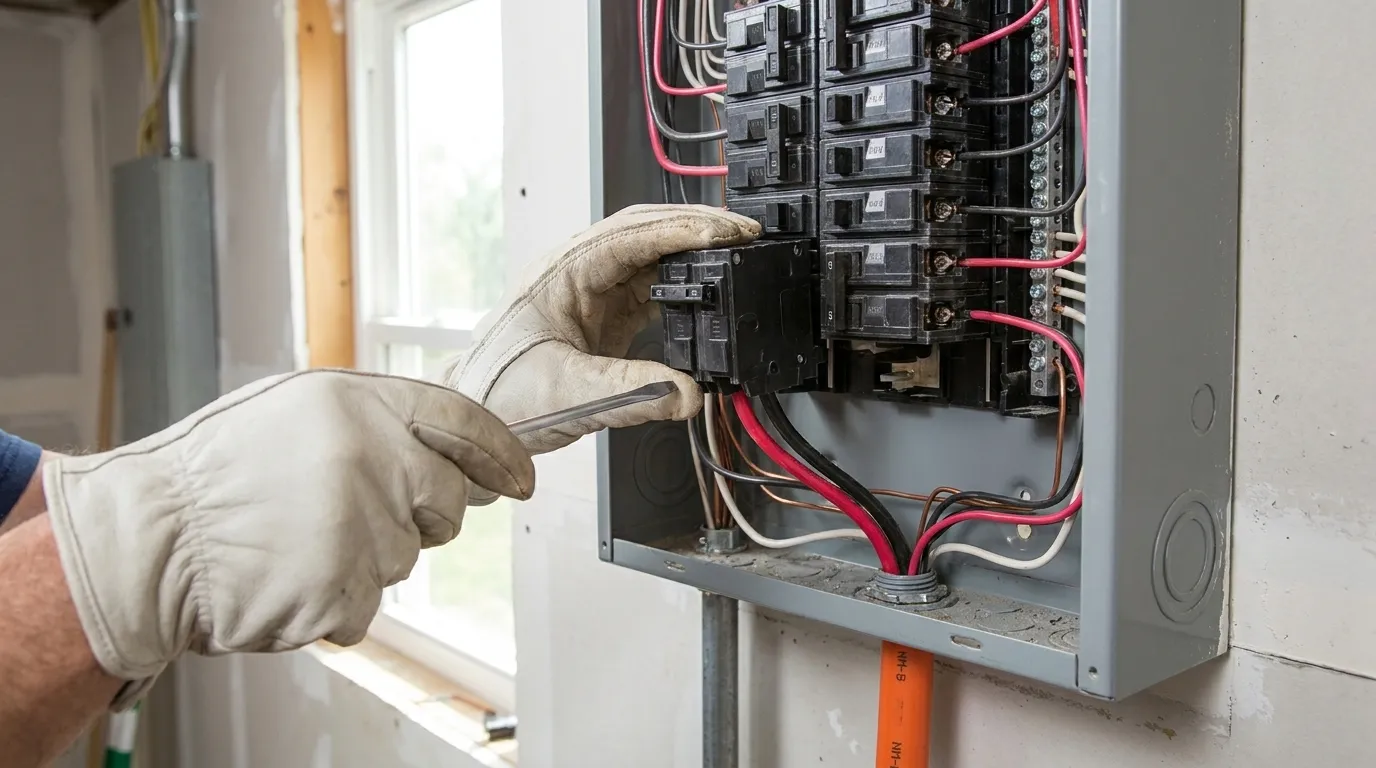
Dedicated Circuit for EV Charger
Secure a reliable residential charger supply circuit based on your electric vehicle's charging specifications, preferred charging location, and existing panel capacity.
Learn More →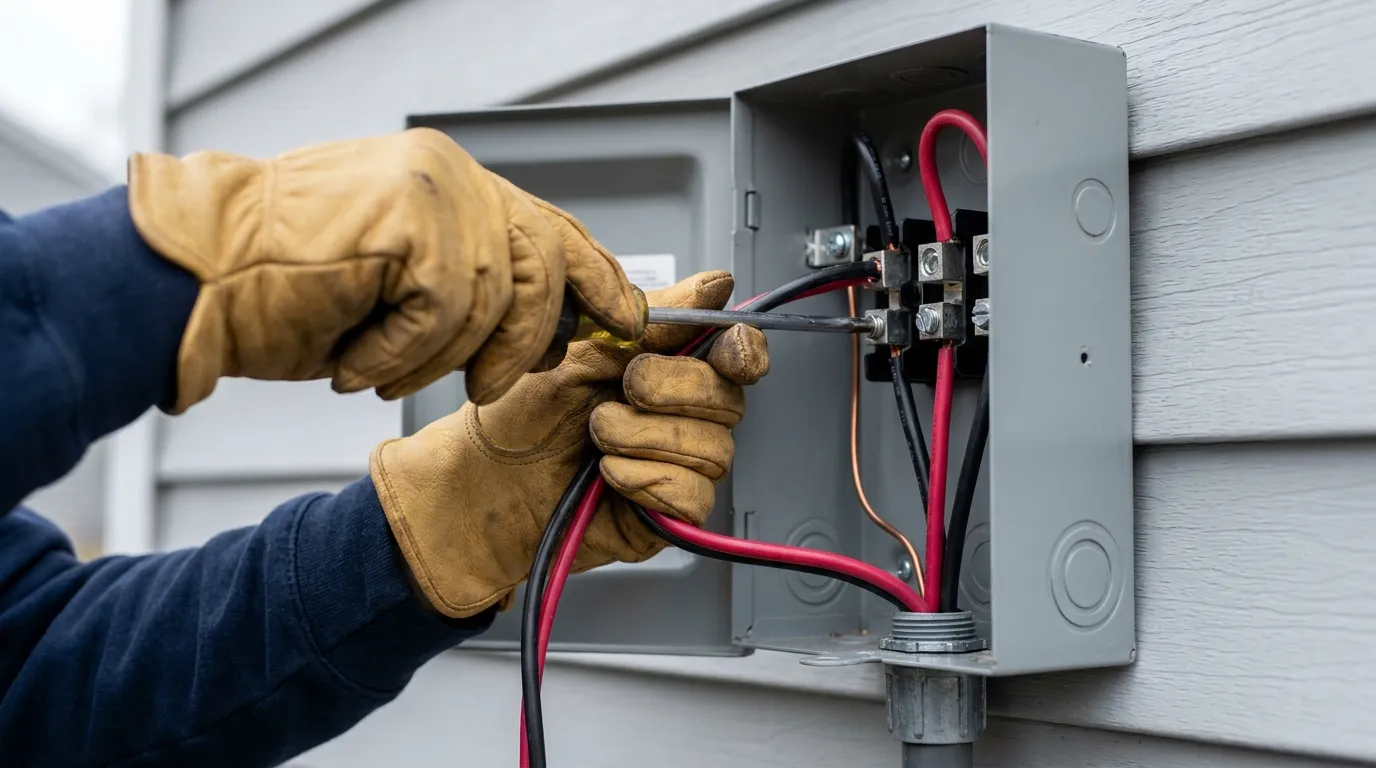
Dedicated Circuits for Heat Pumps
Provide appropriate power to outdoor compressor units and indoor air handlers, guided by the manufacturer's data and necessary auxiliary heat requirements.
Learn More →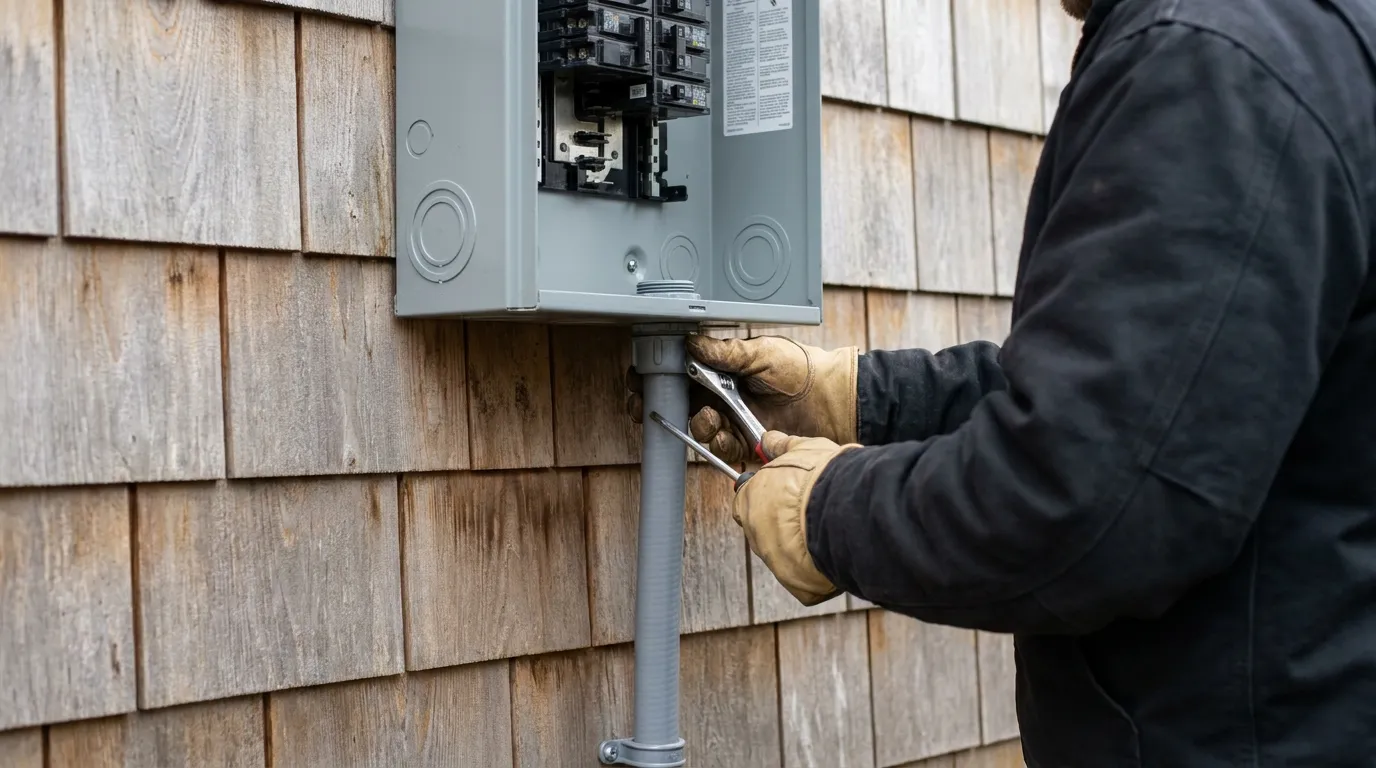
Dedicated Circuits for Hot Tubs / Spas
Establish a safe outdoor connection involving a spa panel or disconnect, GFCI protection, and weather-resistant outdoor wire routing to your equipment location.
Learn More →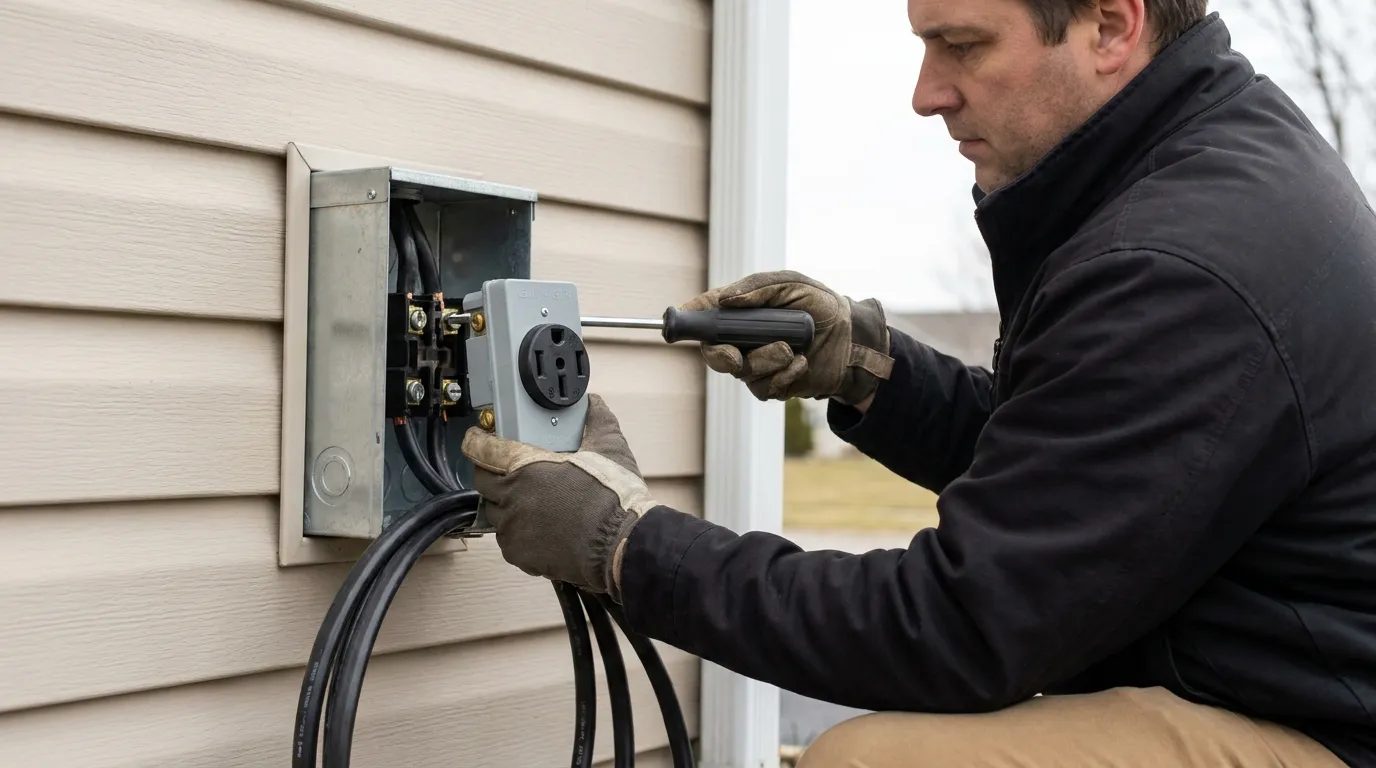
Dedicated Circuits for RV Outlets
Add a 30A or 50A residential RV receptacle to power your recreational vehicle safely at home, ensuring correct breaker sizing and proper weather protection.
Learn More →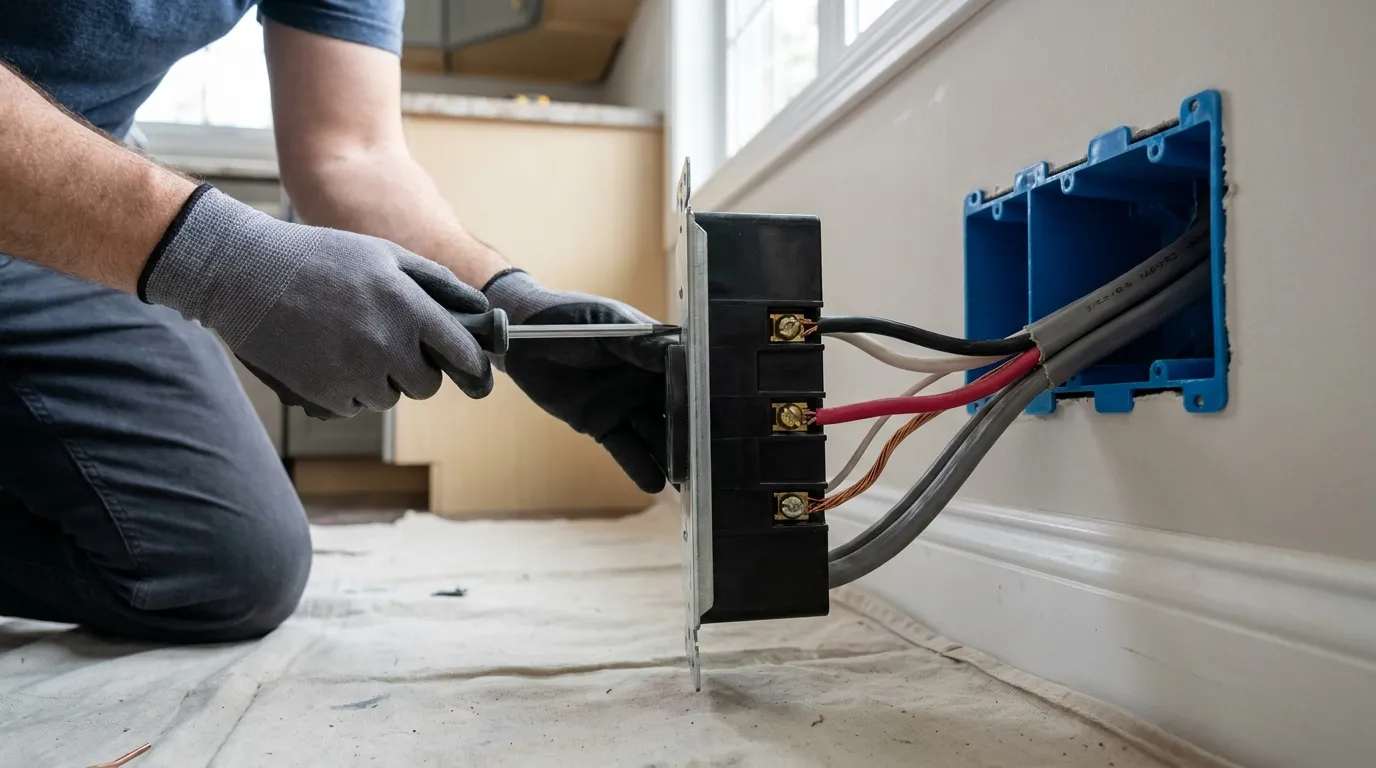
Dedicated Circuits for Induction Ranges / Appliances
Supply the proper voltage and amperage for kitchen or laundry upgrades, matching the exact specifications of your new wall oven, induction range, or electric dryer.
Learn More →Receptacle vs Hardwired Equipment Connections
Equipment connection methods change the scope of your new electrical circuit. Requirements depend heavily on whether the appliance plugs into a wall or wires directly into the home electrical system.
Dedicated Receptacle Connection
Connection method
Plugged into a wall outlet
Requires a matching receptacle type for the equipment plug.
Key design variables
Receptacle type and voltage
Must match the equipment plug configuration exactly.
Safety requirements
Approved breaker protection
Often requires specific GFCI or AFCI protection devices.
Hardwired Equipment Connection
Connection method
Wired directly to the system
Cables run straight into the appliance junction box.
Key design variables
Manufacturer connection rules
Depends on the wiring and controls specified by the maker.
Safety requirements
Local equipment disconnect
May require an external disconnect switch near the unit.
Both methods require verification of existing panel space and overall electrical service capacity.
Final installation methods depend strictly on the equipment manufacturer instructions and local rules.
How Dedicated Circuit Installation Works
Every project begins with understanding your specific equipment and panel conditions to safely install dedicated circuit wiring in your home.
- Send Equipment and Project DetailsProvide the equipment model, nameplate photo, proposed location, and pictures of your existing electrical panel to start the assessment.
- Review Requirements and CapacityWe evaluate the equipment specifications against your panel space and calculated electrical capacity to ensure your home can support the load.
- Confirm Routing and ScopeA professional dedicated circuit electrician confirms the wire routing, whether it requires a receptacle or hardwired connection, and the protection needed.
- Install Breaker, Wiring, and ConnectionWe install the new breaker, route the branch-circuit wiring, and complete the approved equipment connection based on manufacturer guidelines.
- Label, Test, and Complete InspectionsWe label the new circuit in the panel, test the connection for safety, and coordinate the required inspection steps to finalize the project.
Common Reasons to Need a New Home Circuit
Upgrading appliances or adding heavy-duty equipment often requires evaluating the electrical system to see if a separate power supply is necessary.
I bought a new EV or major appliance
Adding a major load like an electric vehicle charger, induction range, or heat pump usually requires its own breaker and wiring to meet manufacturer specifications.
I bought a new EV or major appliance
Adding a major load like an electric vehicle charger, induction range, or heat pump usually requires its own breaker and wiring to meet manufacturer specifications.
Why Hire a Dedicated Circuit Electrician?
Drawing on 1,000+ residential repairs and 10+ years of experience across Western Washington State, Octopel ensures your new equipment is powered safely. An empty breaker space is not enough; we assess the entire system to protect your home.
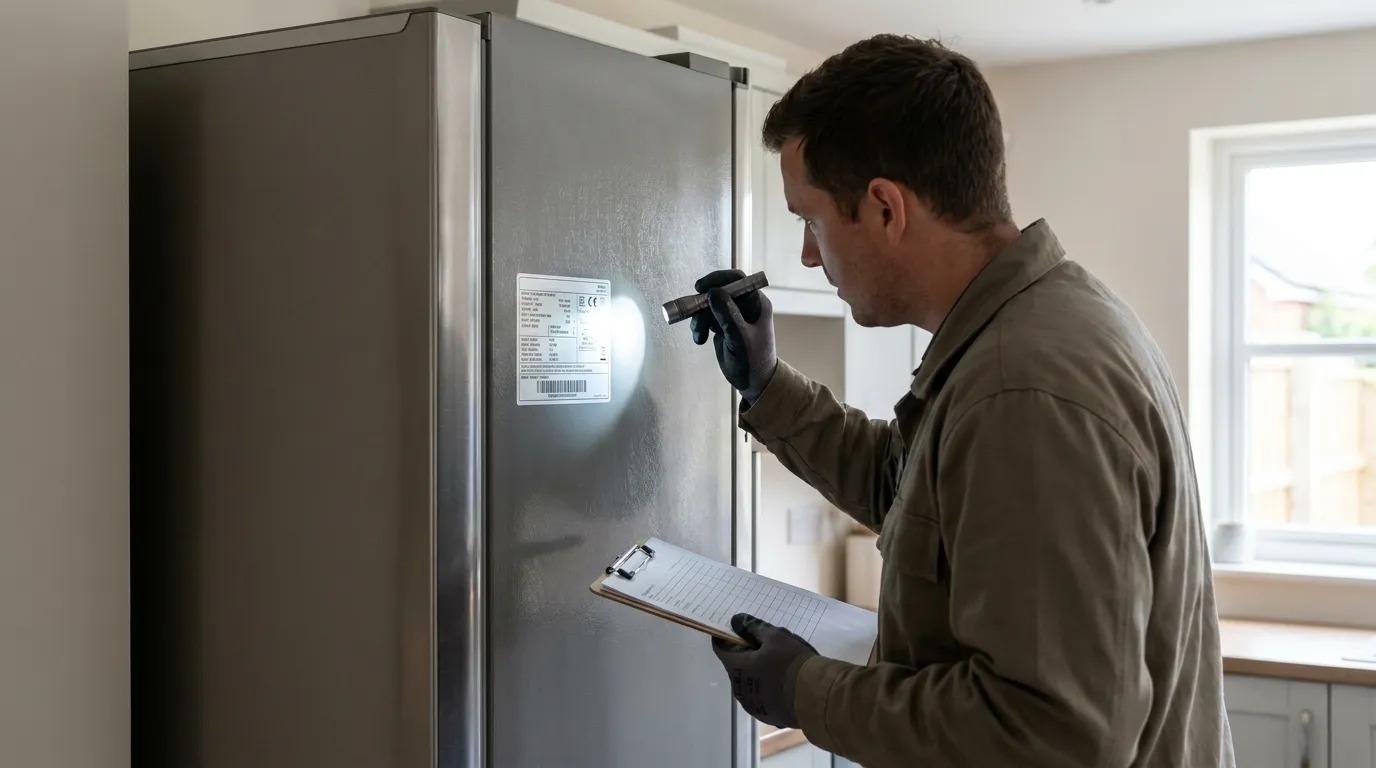
Equipment-Specification Review
We do not guess breaker sizes. We base our circuit design strictly on the equipment nameplate, ensuring compatibility with your new appliance.
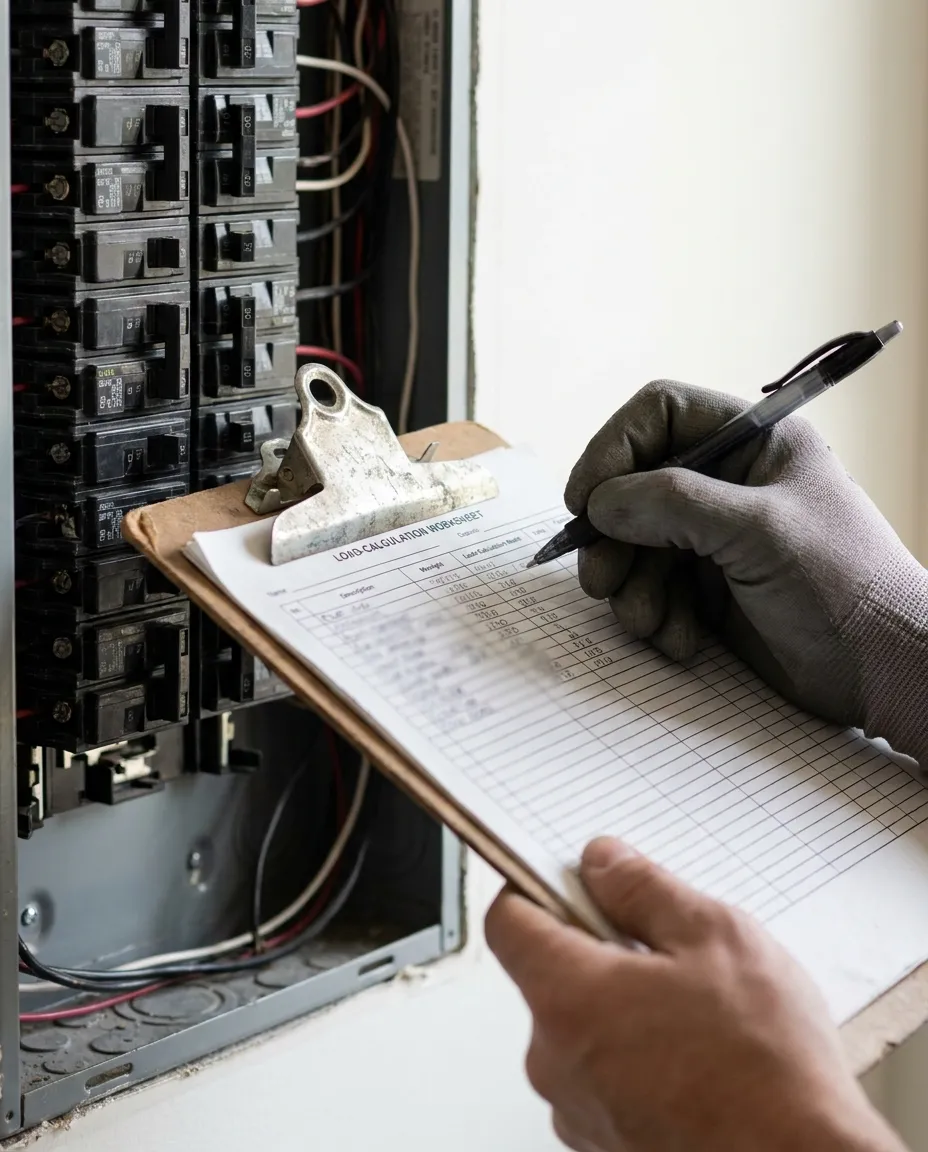
Comprehensive Capacity Checks
Before pulling any wire, we verify that your electrical service has enough calculated capacity for the additional equipment load.
1,000+ Residential Repairs
Electrical troubleshooting and repairs completed in occupied homes.
Washington Electrical Contractor
Washington electrical contractor registration OCTOPEL770O1.
Safe Routing and Testing
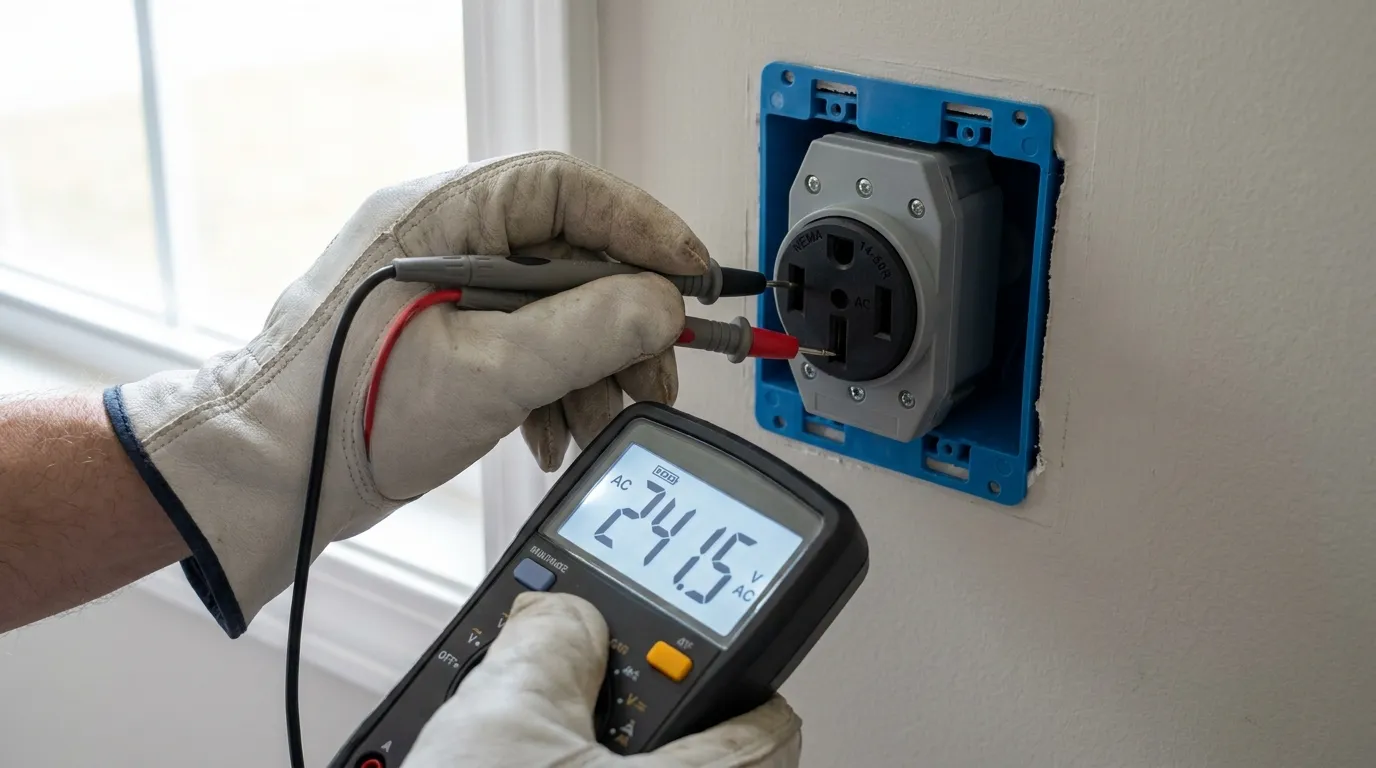
Whether routing indoors or running conduit outside, we install, label, and test the dedicated line to ensure reliable long-term operation.
What Affects Dedicated Circuit Scope and Cost?
Project requirements vary based on the appliance, the existing home infrastructure, and local codes. We evaluate these factors to determine the installation plan.
Equipment Specifications
The voltage, total load, and whether the unit requires a standard receptacle or a hardwired connection dictate the materials required.
Distance and Routing Access
The distance from the panel to the equipment location, along with access through walls, attics, or crawlspaces, influences the routing complexity.
Panel and Capacity Upgrades
If the existing panel lacks physical space or sufficient electrical capacity for the new load, additional electrical panel or service work may be needed.
Protection and Disconnects
Outdoor equipment or specialized indoor appliances often require external safety disconnects, GFCI breakers, or AFCI protection devices.
Customer Reviews
Verified feedback from residential dedicated circuits for home equipment customers across the region.
Kasey Oleary
Residential customer
Octopel reconnected our new hot tub and ensured the electrical installation met current code requirements. The team handled the inspection process professionally, addressed all inspection requirements, and theRead full review →
Andy Kuljis
Residential customer
I have used Demeatri or Octopel, four times over the last five years, two 200 amp new service boxes, some underground work, rewiring a barn, and has cleaned up unsafe wiring on my farm. Always making time for my needsRead full review →
Rishi Pathak
Residential remodel customer
These guys are professional. They are very good at navigating through surprises during the project. They have good recommendations for folks who need some help with what they want to achieve. Dima is my go-to person forRead full review →
Angelina Dorosh
Residential remodel customer
Octopel has completed multiple electrical projects for us, from regular electrical service and troubleshooting to larger remodeling work. We have used them for repairs around the house as well as electrical work duringRead full review →
Beth Knight
Residential customer
Dimitri was exceptional! He repaired the entire electrical fixture that was taken down by a tree, in awful weather, and never complained! Cold and pouring rain! I would definitely use this company again!Read full review →
Gio Hwang
Residential customer
Octopel installed a new power pole and 200-amp electrical service for my manufactured home. The Octopel team was professional, communicated clearly, and completed the work efficiently. Everything has been working well,Read full review →
Hrach Voskanian
Residential customer
Reliable, fast, and most important good job. Highly recommendRead full review →
Adam Patterson
Residential remodel customer
Mid-remodel we realized a lot of our old wiring needed to be redone. Octopel came in as our remodel electrician and worked around the rest of the construction crew without any scheduling issues.Read full review →
Request a Dedicated Circuit for Your Home
Submit your equipment details, nameplate photo, and panel pictures. During business hours, a manager responds within one hour to clarify the scope. We schedule the site visit based on your situation, location, and team availability.
Dedicated Circuit Services in Your Area
Octopel provides professional dedicated circuit installation for residential properties across Western Washington State, adapting to local building conditions.
Availability and possible visit timing depend on the property location, reported problem, and team schedule.
Not sure whether your home is within the service area?
Dedicated Circuit Installation FAQ
Common questions about planning and adding a dedicated electrical circuit for residential equipment.
A dedicated electrical circuit is a branch circuit intended to supply a specific load or defined equipment. It typically has its own breaker and is designed entirely around the equipment’s electrical requirements to prevent overloads and ensure safe operation.
Requirements depend on the equipment specifications, the total electrical load, and applicable local rules. Generally, heavy appliances like heat pumps, EV chargers, hot tubs, and induction ranges require their own power supply.
Professional dedicated circuit installation typically includes an equipment specification review, panel capacity assessment, installing the new breaker, running the wire, making the approved connection, and completing necessary testing and inspections.
Yes, this is usually possible after a thorough assessment of both the existing equipment and your home's electrical system. We verify the required capacity and safely route the new line to alleviate overloaded shared circuits.
Generally, yes. It is supplied through its own overcurrent protection. However, the exact design, including breaker size and safety protection types, depends heavily on the specific equipment nameplate and your electrical system configuration.
Not necessarily directly in the main panel. While an empty slot is not required, possible options may include an approved breaker configuration change, Subpanel Installation, or a full panel upgrade. The total service capacity must also be assessed.
Not automatically. If your current system has the physical space and enough calculated electrical capacity for the new load, a panel upgrade is not needed. If capacity is lacking, an Electrical Panel Upgrade / Replacement may be necessary.
Yes, depending entirely on the equipment requirements. Some appliances run on a standard 120V dedicated line, while heavy-duty equipment like an electric oven or EV charger typically requires a 240V connection.
Installation timing depends on the circuit route, the distance from the electrical panel to the equipment, wall access, and whether trenching or outdoor conduit is required for the project.
Costs vary significantly based on the equipment voltage, required wire size, routing difficulty, need for external disconnects, and whether any panel capacity upgrades are necessary to safely support the new load.