
Dedicated Circuits for Induction Ranges / Appliances
Meeting induction cooktop electrical requirements—or typical induction range electrical requirements—starts with checking the manufacturer connection method and available panel capacity. This service handles the dedicated wiring, not gas line modifications.
- You are replacing a gas range with a new induction model.
- Your kitchen remodel changes the location of the cooking appliances.
- You need to review panel capacity before buying a high-load oven.
- Your existing range circuit is outdated or lacks a neutral wire.
- The new cooktop and wall oven require separate electrical supplies.
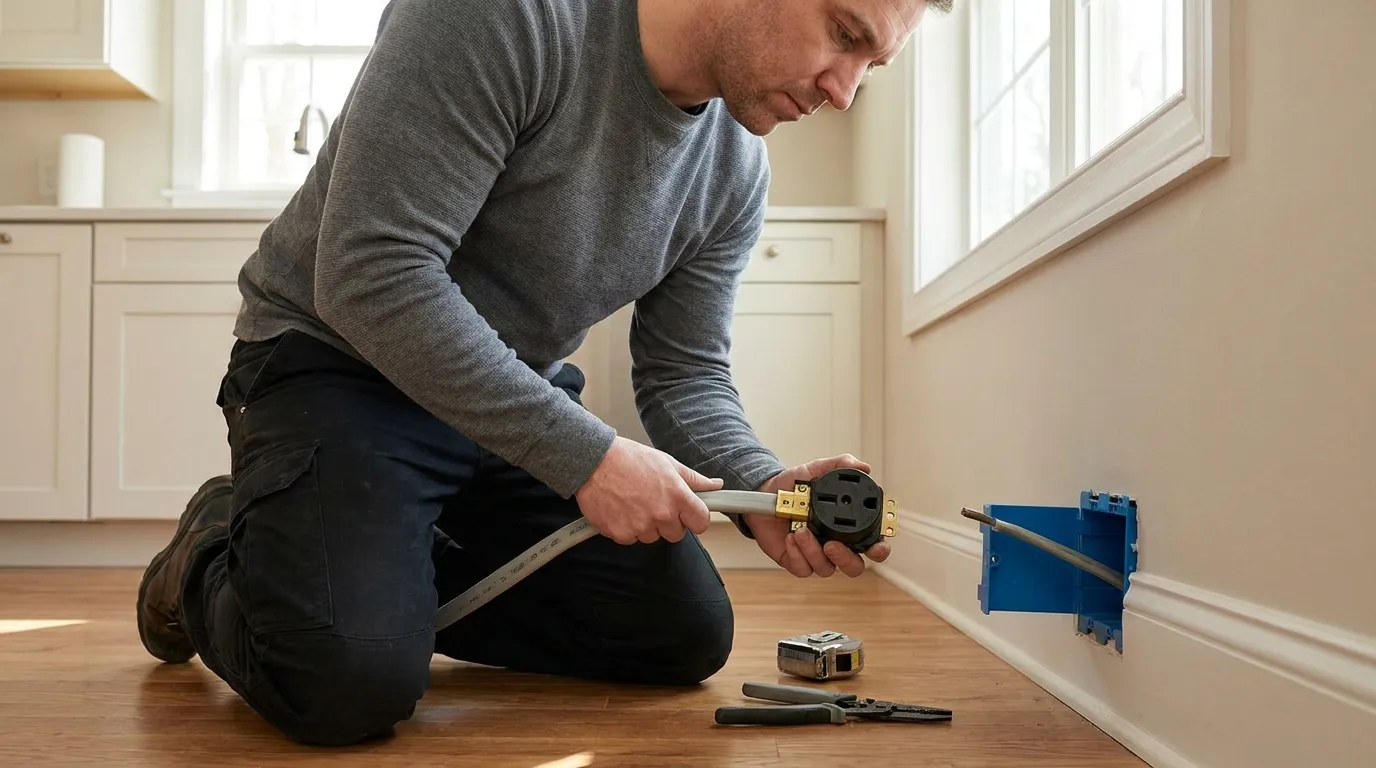
What Electric Range Circuit Installation Can Include
Electric range circuit installation requires verifying manufacturer specifications before running any wire. The actual scope depends on whether you need a receptacle or a hardwired connection.
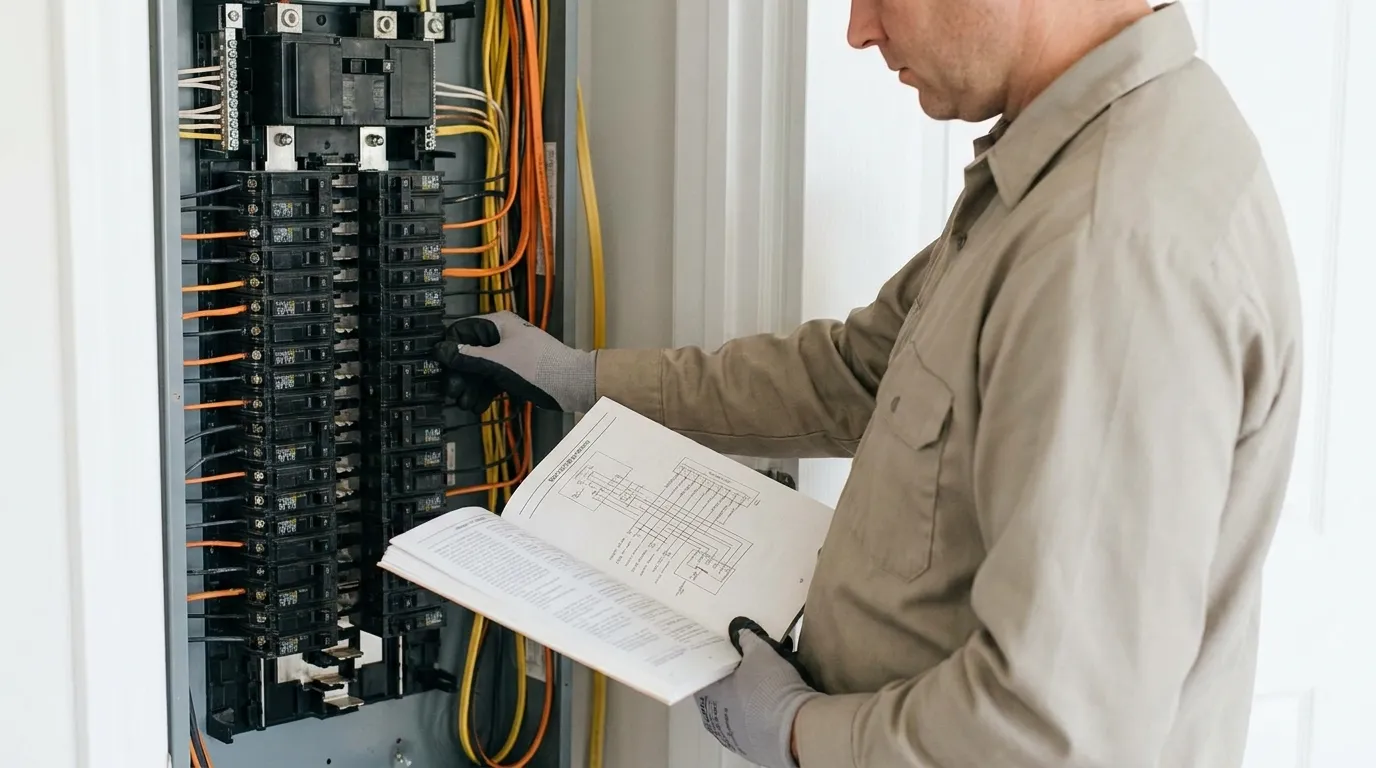
Specification & Load Review
We assess the manufacturer installation manual and check your existing electrical panel to confirm if the system can support the new load.
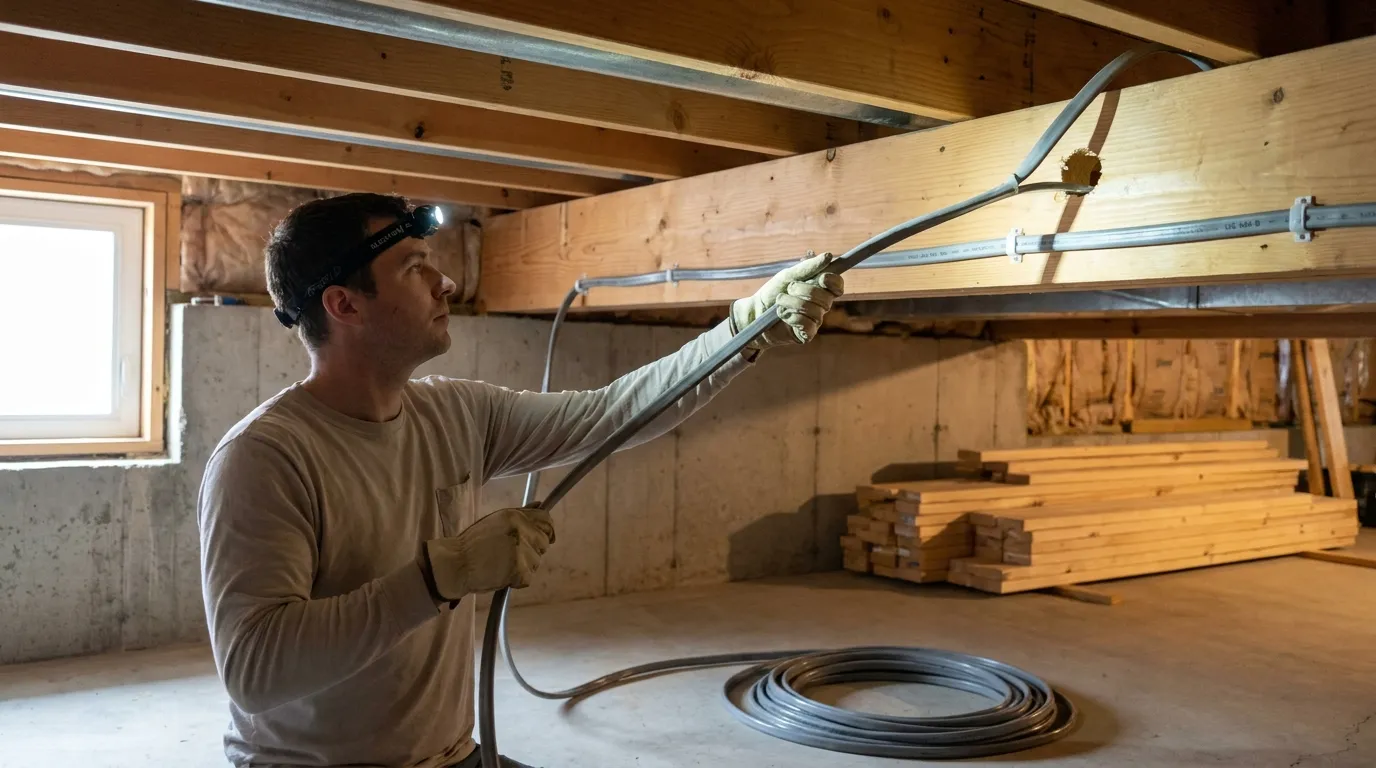
Dedicated Circuit Routing
Running properly sized copper wiring from the main breaker panel to the appliance location, navigating walls, floors, or crawlspaces.
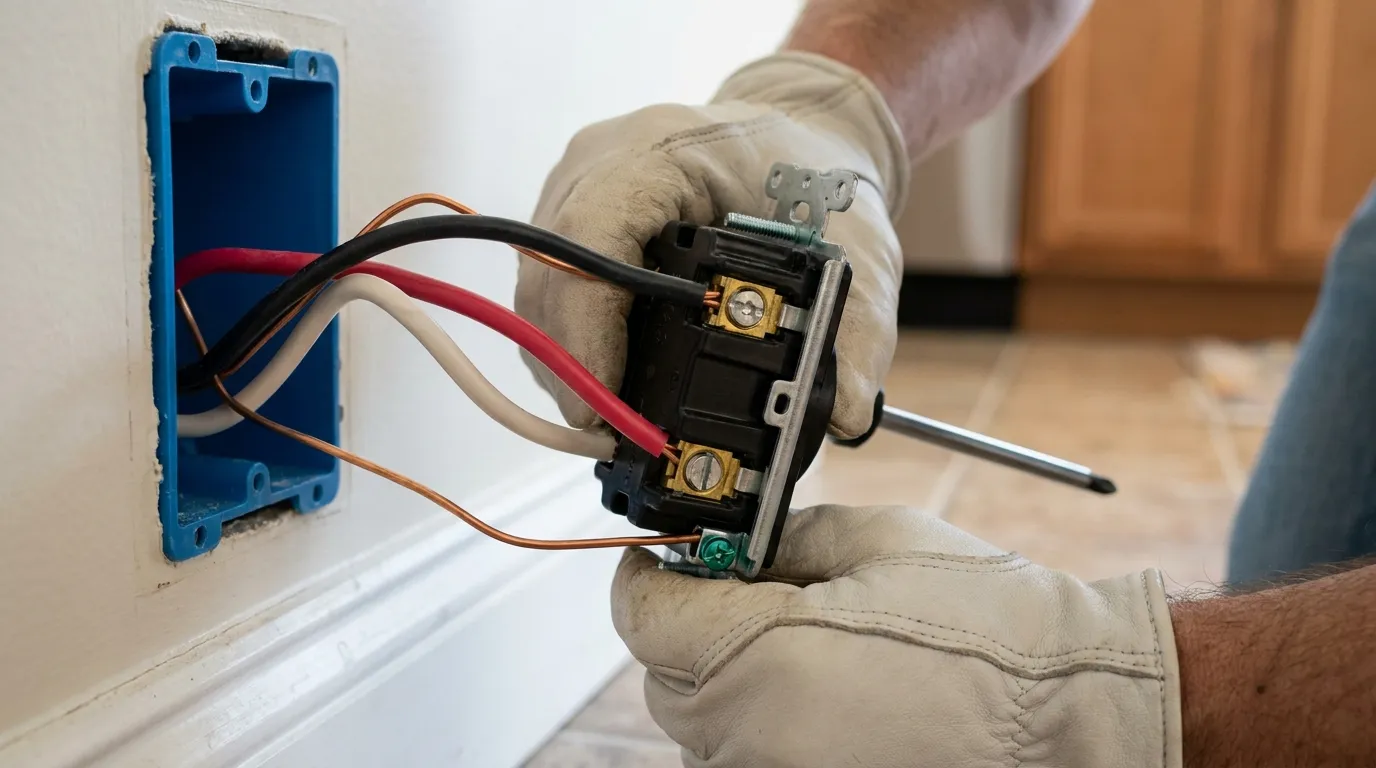
240V Receptacle Installation
Installing a compatible four-prong 240V receptacle if the freestanding or slide-in range comes with a factory-installed power cord.
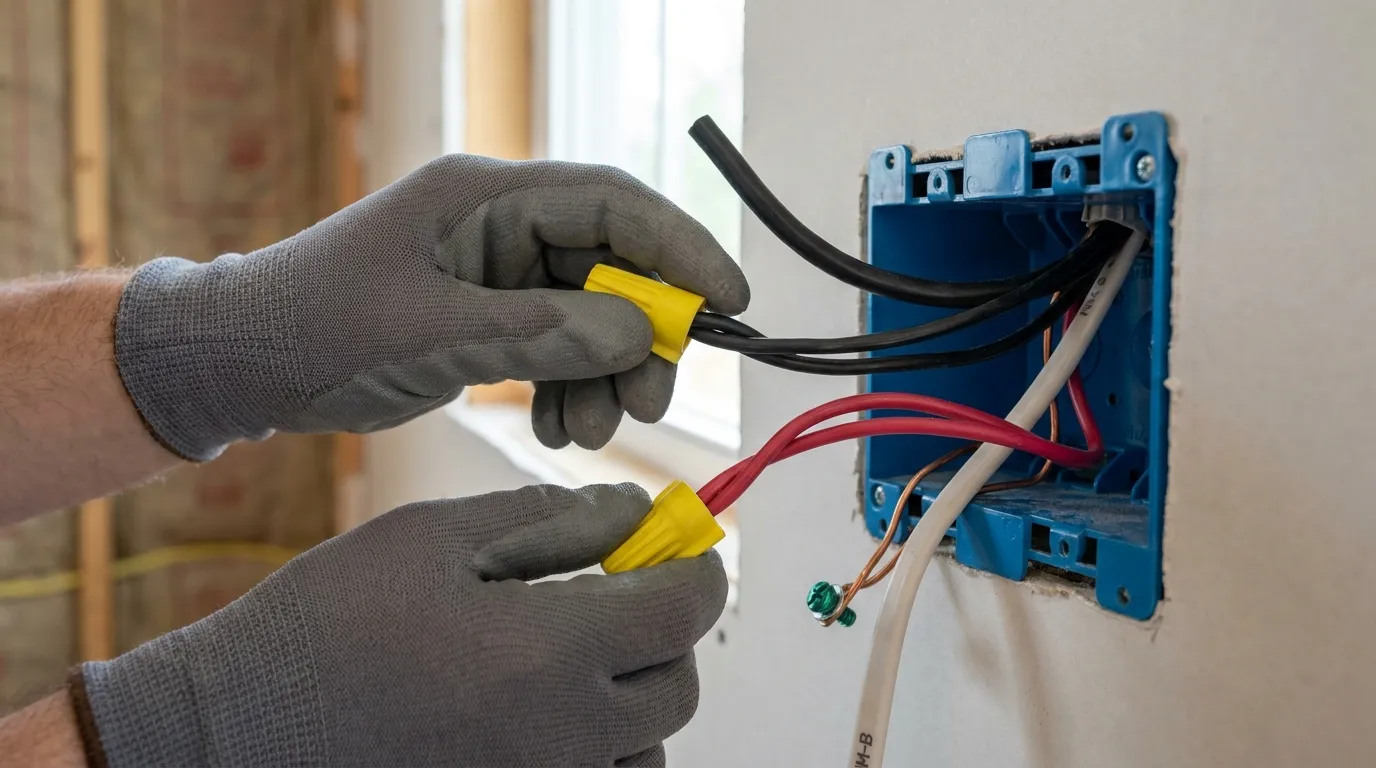
Hardwired Connections
Providing a secure junction box and direct wire connections for cooktops or wall ovens that require a hardwired connection instead of a plug.
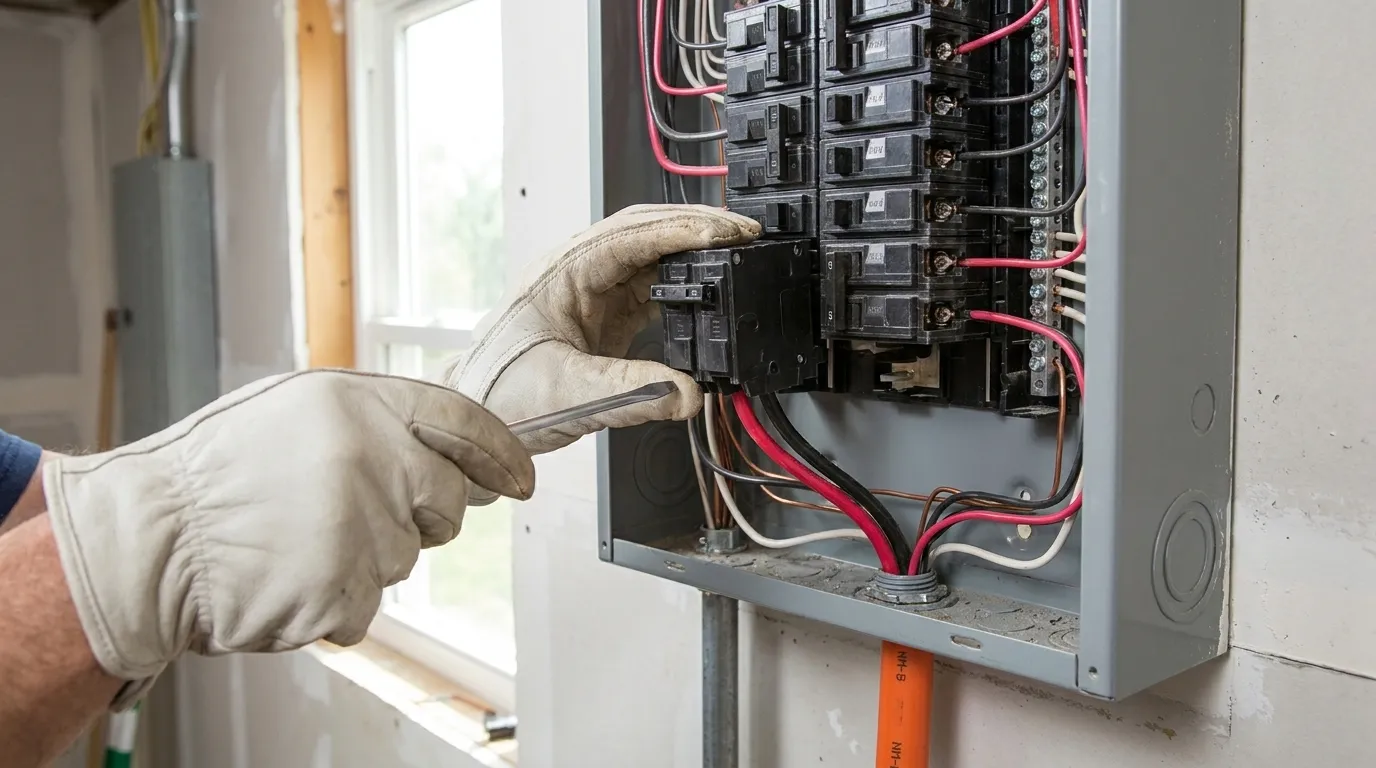
Panel Integration & Testing
Installing the correct two-pole breaker in the panel, verifying proper grounding, and testing the finished circuit for correct voltage.
240V Outlet vs. Hardwired Connection
The required connection method depends on the appliance type and manufacturer specifications. We follow the exact instructions for your specific unit.
240V Receptacle (Plug-In)
Typical appliance match
Freestanding or slide-in ranges
Frequently used when the range has an attached cord.
Equipment requirement
Compatible 4-prong receptacle
Matches the specific NEMA configuration of the plug.
Future replacements
Easier to disconnect
The appliance can be unplugged for servicing or swapping.
Hardwired Connection
Typical appliance match
Cooktops and wall ovens
Often required when there is no space for a bulky plug behind the unit.
Equipment requirement
Junction box and wire nuts
The flexible conduit from the appliance wires directly into the home circuit.
Future replacements
Requires electrical work
Disconnecting the appliance involves opening the junction box safely.
The choice between plug-in and hardwired connections is determined by the manufacturer, not installer preference.
How an Induction Appliance Circuit Is Installed
The process starts with reviewing the exact appliance specifications to ensure the new electrical setup matches safety requirements and capacity limits.
- Send Appliance SpecificationsWe review the manufacturer installation manual, model number, and existing panel photos to determine the required electrical scope.
- Panel and Capacity AssessmentAn electrician evaluates your current electrical service to confirm it can handle the added load of a high-draw induction unit.
- Confirm Connection Type & RouteWe determine whether the appliance needs a receptacle or a hardwired junction box and map the wire route through the home.
- Install the Dedicated CircuitWe run the new wiring, install the correct circuit breaker, and set up the connection point in the cabinetry or wall.
- Final Testing & CoordinationThe completed circuit is tested for proper voltage and grounding, leaving it ready for the appliance to be connected.
Common Situations We Handle
Whether you are switching from gas or rearranging your kitchen, the existing electrical infrastructure dictates the next steps.
Replacing a gas range
Gas-to-induction conversions often require running a new 240V circuit, as most gas ranges only use a small 120V outlet for the igniter.
Replacing a gas range
Gas-to-induction conversions often require running a new 240V circuit, as most gas ranges only use a small 120V outlet for the igniter.
Our Approach to Appliance Upgrades
With over 1,000 residential repairs and installations completed, we know that integrating heavy kitchen loads into occupied homes requires careful planning, load verification, and respect for your living space.
Specification-First Design
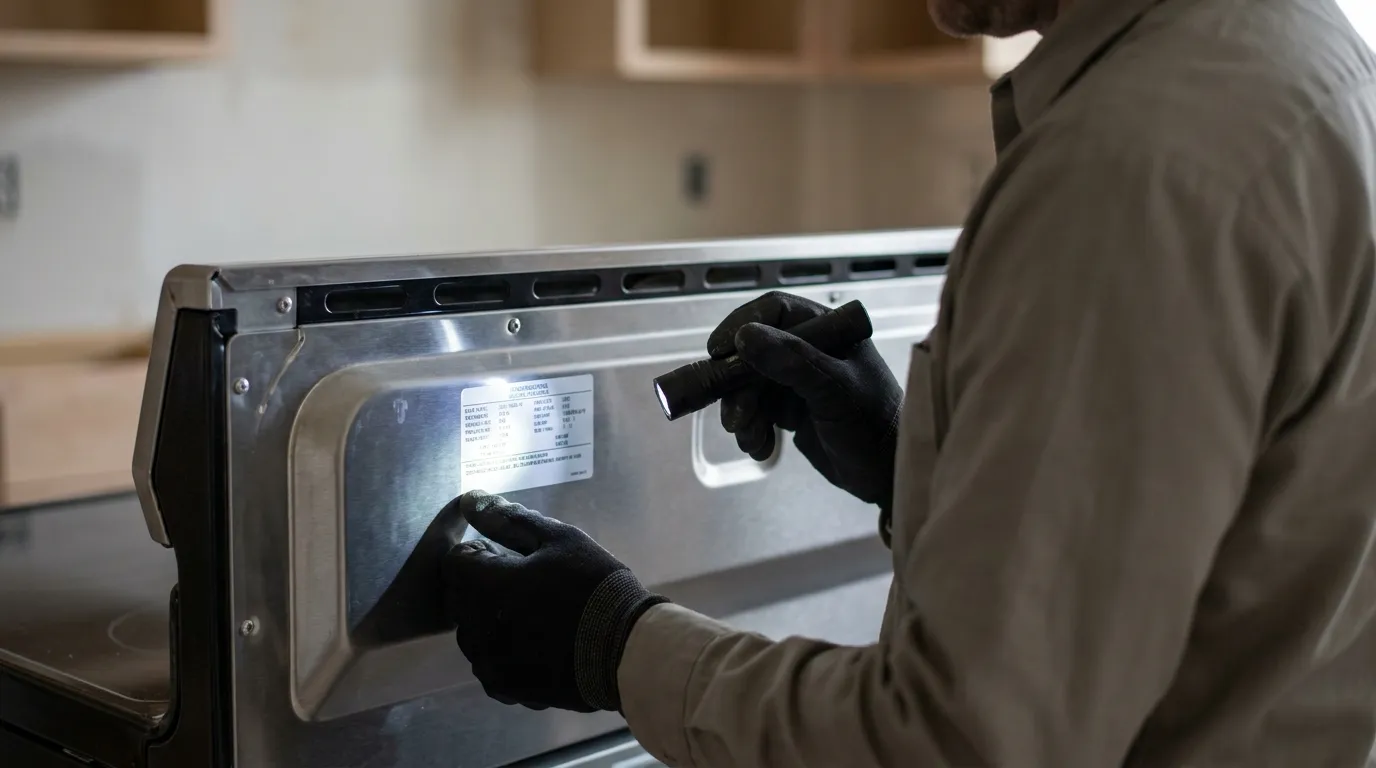
We confirm circuit sizing before installation. We base every installation strictly on the manufacturer nameplate and manual to ensure safe operation.
Occupied Home Safeguards
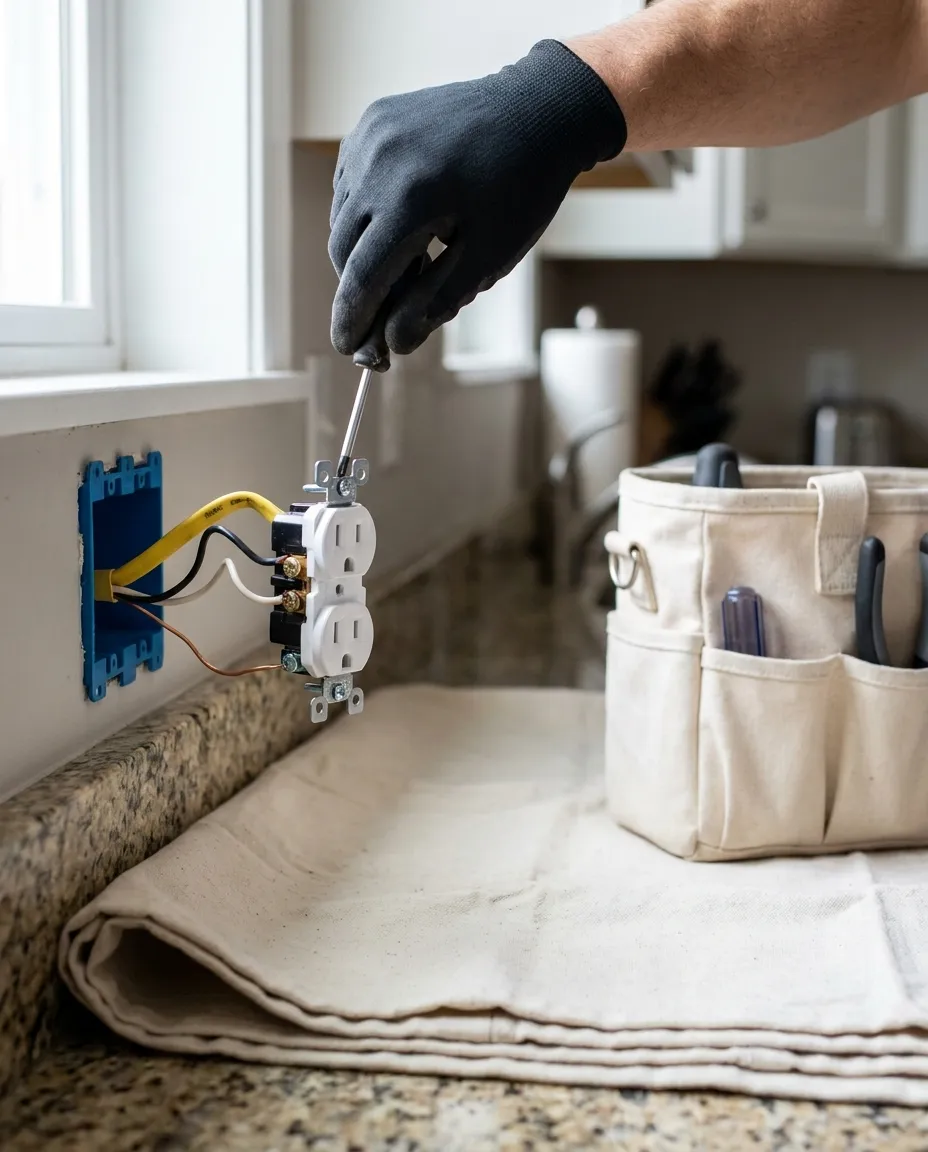
Routing new heavy-gauge wire often means navigating finished walls. We plan routes that minimize drywall disruption and keep the work area clean.
1,000+ Residential Repairs
Electrical troubleshooting and repairs completed in occupied homes.
Washington Electrical Contractor
Washington electrical contractor registration OCTOPEL770O1.
Code and Capacity Verification
Before adding a major induction load, we evaluate the overall service capacity to confirm the panel can safely support the upgrade without overloading.
What Affects the Scope of an Appliance Circuit
Induction ranges vary significantly in power requirements. The final scope depends on the existing electrical infrastructure and the chosen equipment.
Distance and Routing
Running heavy-gauge wire from a basement panel directly below the kitchen requires less labor than routing through a finished two-story home.
Appliance Specifications
A high-amperage induction range requires thicker, more expensive wire and larger breakers than a standard electric cooktop.
Receptacle vs. Hardwired
Installing a standard 240V receptacle may involve different materials and labor compared to configuring a hardwired junction box inside cabinetry.
Available Panel Capacity
If the current electrical panel lacks physical space or sufficient total capacity for the new load, a panel upgrade may be necessary first.
Customer Reviews
Verified feedback from residential dedicated circuits for induction ranges / appliances customers across the region.
Kasey Oleary
Residential customer
Octopel reconnected our new hot tub and ensured the electrical installation met current code requirements. The team handled the inspection process professionally, addressed all inspection requirements, and theRead full review →
Andy Kuljis
Residential customer
I have used Demeatri or Octopel, four times over the last five years, two 200 amp new service boxes, some underground work, rewiring a barn, and has cleaned up unsafe wiring on my farm. Always making time for my needsRead full review →
Rishi Pathak
Residential remodel customer
These guys are professional. They are very good at navigating through surprises during the project. They have good recommendations for folks who need some help with what they want to achieve. Dima is my go-to person forRead full review →
Angelina Dorosh
Residential remodel customer
Octopel has completed multiple electrical projects for us, from regular electrical service and troubleshooting to larger remodeling work. We have used them for repairs around the house as well as electrical work duringRead full review →
Beth Knight
Residential customer
Dimitri was exceptional! He repaired the entire electrical fixture that was taken down by a tree, in awful weather, and never complained! Cold and pouring rain! I would definitely use this company again!Read full review →
Gio Hwang
Residential customer
Octopel installed a new power pole and 200-amp electrical service for my manufactured home. The Octopel team was professional, communicated clearly, and completed the work efficiently. Everything has been working well,Read full review →
Hrach Voskanian
Residential customer
Reliable, fast, and most important good job. Highly recommendRead full review →
Adam Patterson
Residential remodel customer
Mid-remodel we realized a lot of our old wiring needed to be redone. Octopel came in as our remodel electrician and worked around the rest of the construction crew without any scheduling issues.Read full review →
Send Your Appliance Specifications
Submit your appliance model and installation manual for review. A manager responds within one hour during business hours. An on-site visit is scheduled based on the situation, location, and team availability to confirm the circuit scope.
Appliance Circuit Installation in Western Washington State
We install dedicated circuits and 240V connections for induction ranges, cooktops, and wall ovens in homes throughout Western Washington State.
Availability and possible visit timing depend on the property location, reported problem, and team schedule.
Not sure whether your home is within the service area?
Induction Range and Appliance Electrical FAQ
Answers to common questions about preparing your electrical system for a new induction cooktop or range.
The exact requirements vary by make and model, though most require a dedicated 240V hardwired connection.
The correct breaker size and wire gauge must be determined by reviewing the manufacturer installation manual and the appliance nameplate.
The exact specifications depend entirely on the chosen model and its combined heating load.
Because a range combines both the cooktop and the oven into one unit, it generally draws more power than a standalone cooktop, often connecting via a four-prong cord and compatible receptacle.
Not necessarily. While many freestanding induction stoves use a 240v outlet for stove power, others require a direct hardwired connection.
The required method is specified by the manufacturer. If a receptacle is used, it must match the specific NEMA configuration of the factory cord.
You can reuse an existing circuit only after an electrician verifies its condition and compatibility.
The existing wire gauge, breaker rating, and grounding method must match the requirements of the new appliance. Older three-wire circuits often need to be updated to modern four-wire standards.
Sometimes, provided your current panel has enough available physical space and overall capacity.
Gas ranges use minimal electricity, so switching to induction adds a major new load to your home. We perform a load calculation to determine if your existing service can safely handle the upgrade.
It depends on the equipment and the approved electrical design.
Some manufacturers allow a cooktop and wall oven to share a single properly sized branch circuit, while others strictly require a separate dedicated circuit for each appliance to ensure safe operation.
Yes, major kitchen heating equipment often requires a dedicated circuit, depending on the appliance and manufacturer requirements.
Because induction ranges and wall ovens draw significant continuous current, sharing their circuit with other kitchen outlets can overload the breaker, so circuit planning follows the appliance requirements.
We handle the electrical connection, but full appliance installation scopes must be confirmed beforehand.
While we wire the junction box or install the receptacle, moving heavy appliances into delicate cabinetry or securing them to the countertops may require specialized appliance installers.
Ideally, yes. The electrical requirements and site readiness should be confirmed and completed before the new appliance is delivered.
Having the correct circuit installed ahead of time ensures that the appliance can be safely plugged in or hardwired the moment it arrives in your kitchen.