EV Charger Installation
Octopel is an electrician for EV charger projects. For a home, we evaluate your electrical system, plan the dedicated circuit, and install the charging station in your garage or driveway, then test the setup. For a business or multi-space site, see Commercial EV Charging Solutions below.
- Install a charger in a garage or home parking area.
- Add a new dedicated circuit for an electric vehicle.
- Upgrade to a faster Level 2 home charging setup.
- Install a Tesla Wall Connector or specific branded equipment.
- Check whether your electrical panel has enough available capacity.
- Replace or relocate existing home charging equipment.
Your final price is calculated by a manager and depends on:
- Hours of labor required
- Distance to the job site
- Electrician skill level required
- Number of electricians needed
- Urgency of the request
Additional factors that can affect price: materials, service fees, utility company disconnect/reconnect charges, and permits.
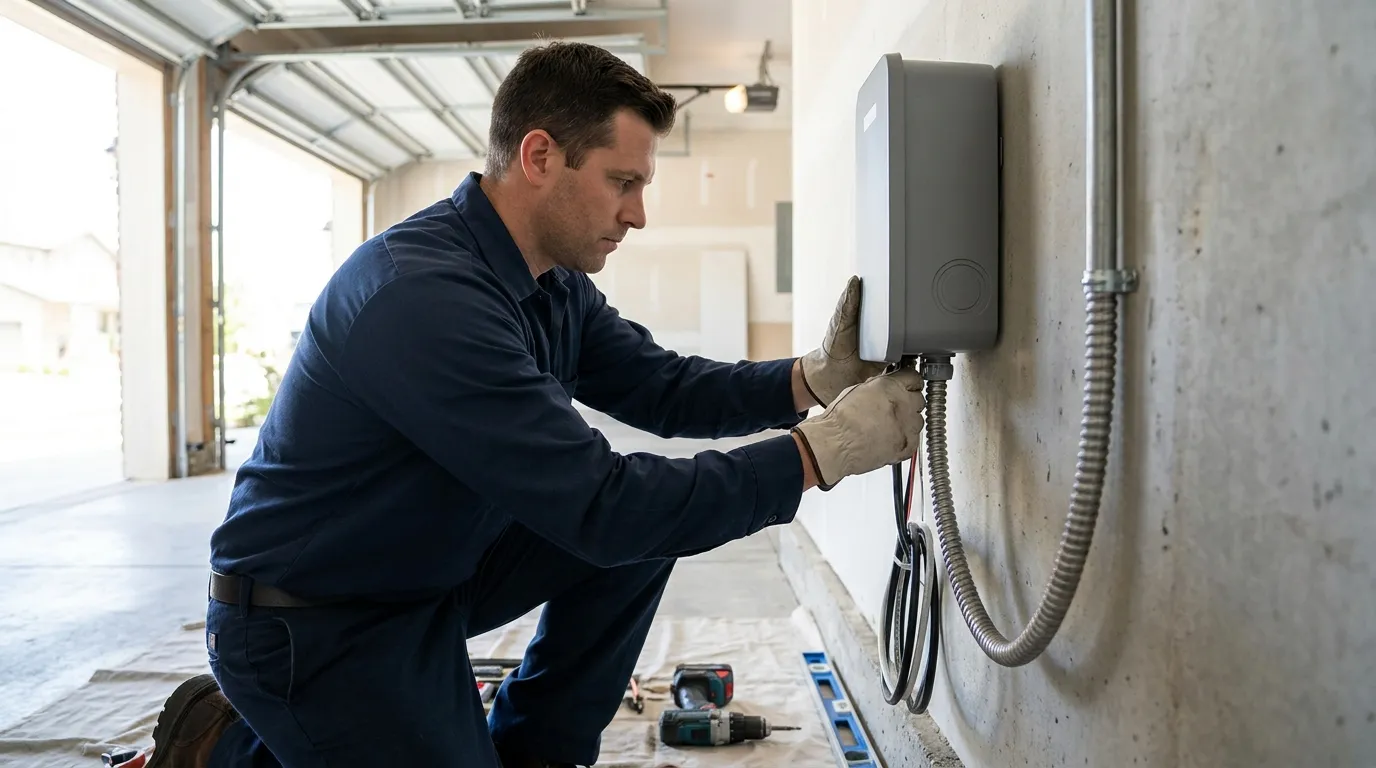
Choose the EV Charger Service That Matches Your Project
The right EV charging service depends on whether you need a Level 2 charger, a Tesla Wall Connector, an electrical load and panel assessment before installation, or a charging project for a business.
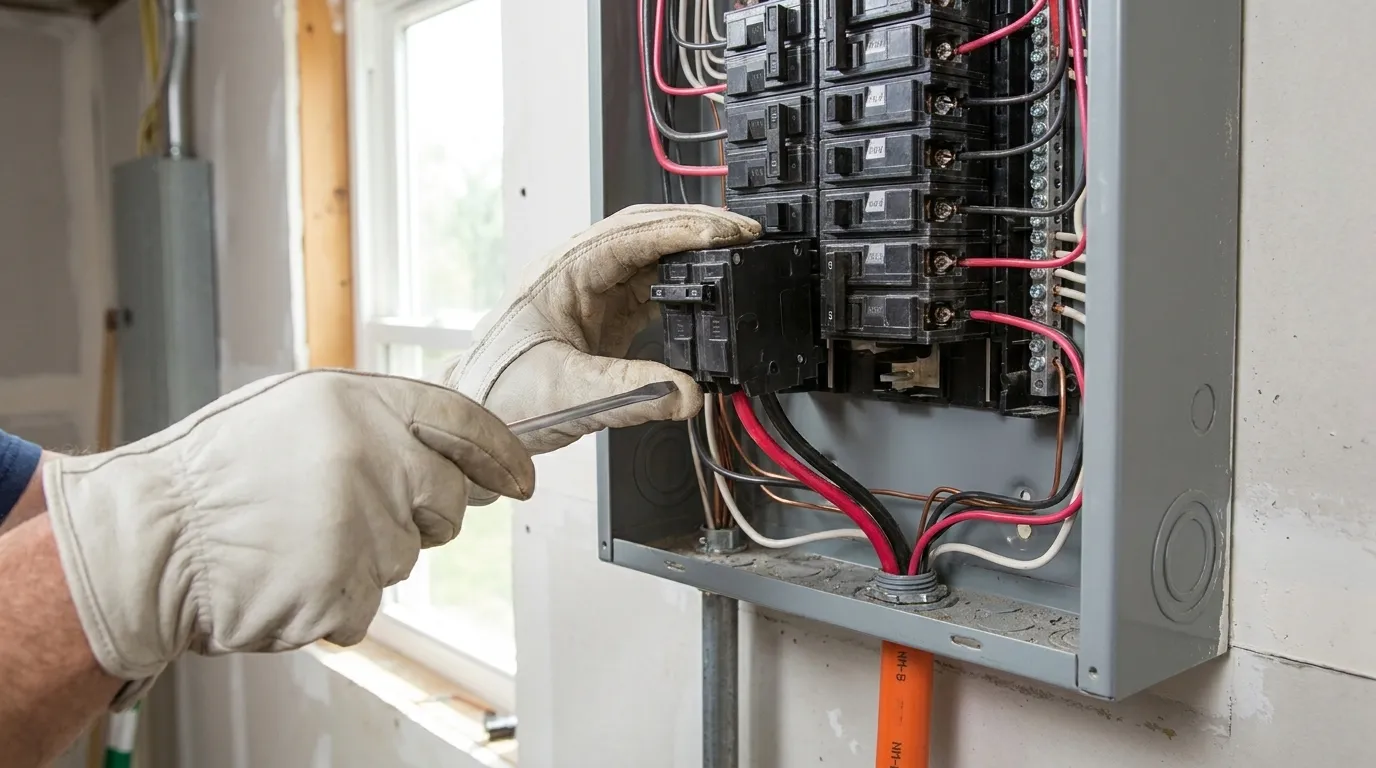
Level 2 EV Charger Installation
Upgrade to a faster charging category with a dedicated 240V circuit. We verify electrical requirements and ensure your panel supports the increased continuous load for Level 2 equipment.
Learn More →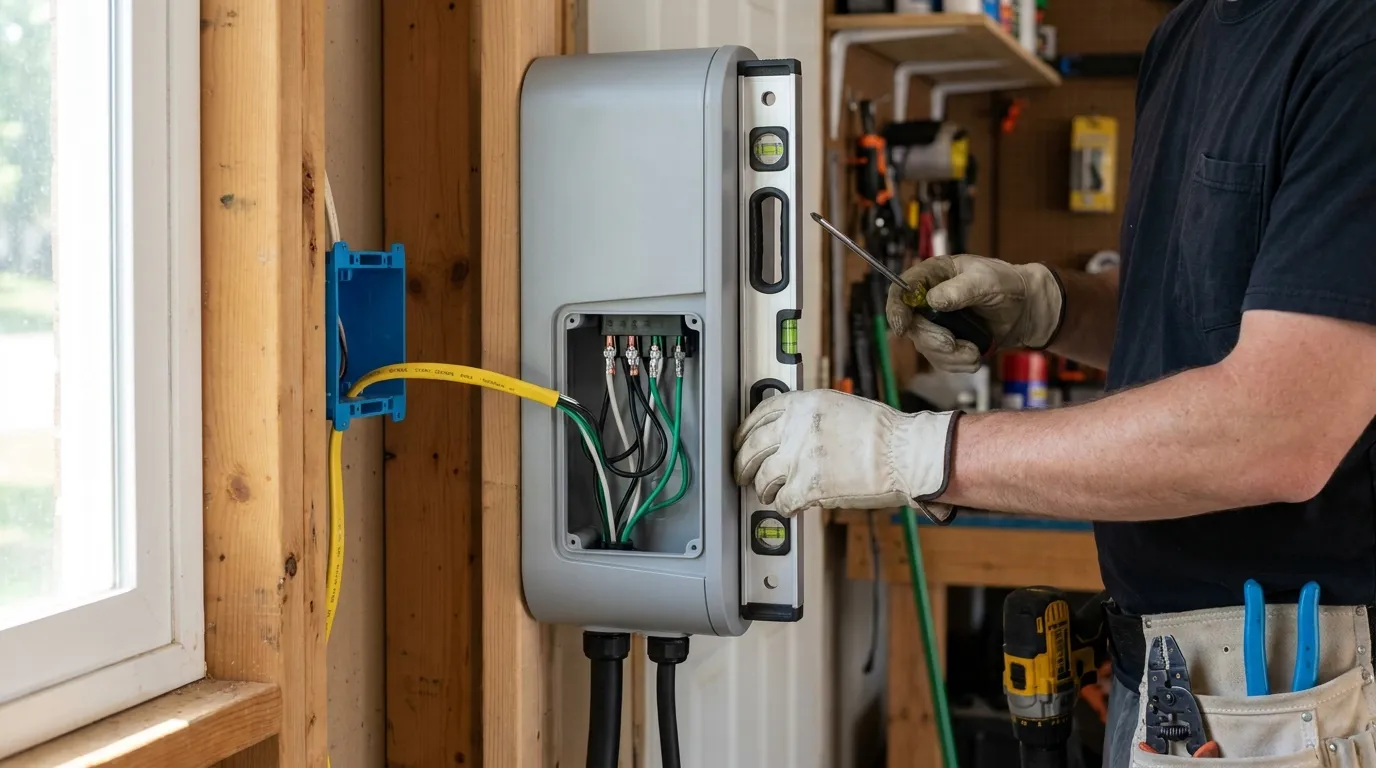
Tesla Wall Connector Installation
Install a Tesla Wall Connector securely at your home. We follow exact manufacturer specifications for wiring and circuit sizing to ensure optimal charging performance for your vehicle.
Learn More →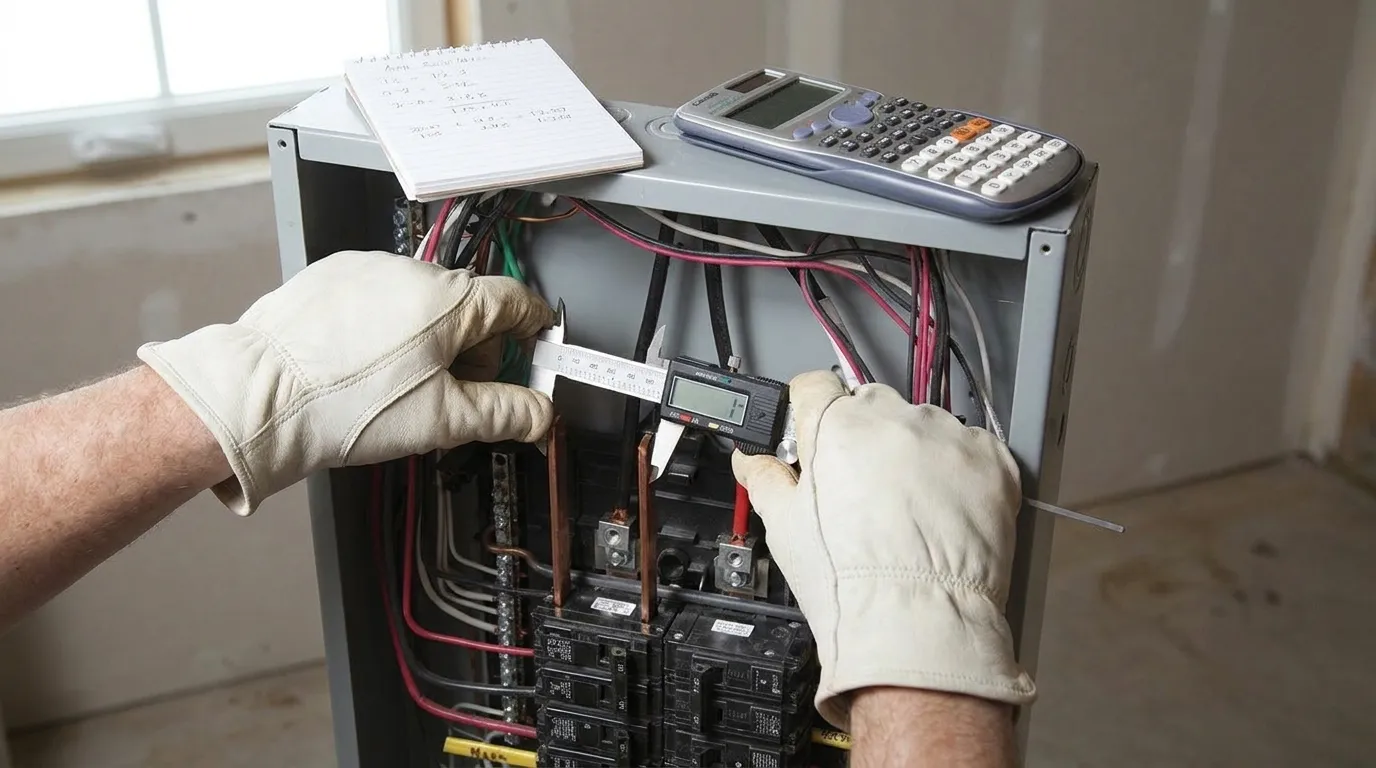
EV Charger Panel & Load Assessment
Determine if your existing electrical panel has the capacity to support new charging equipment. We calculate the current load and outline whether panel work or load management may be needed.
Learn More →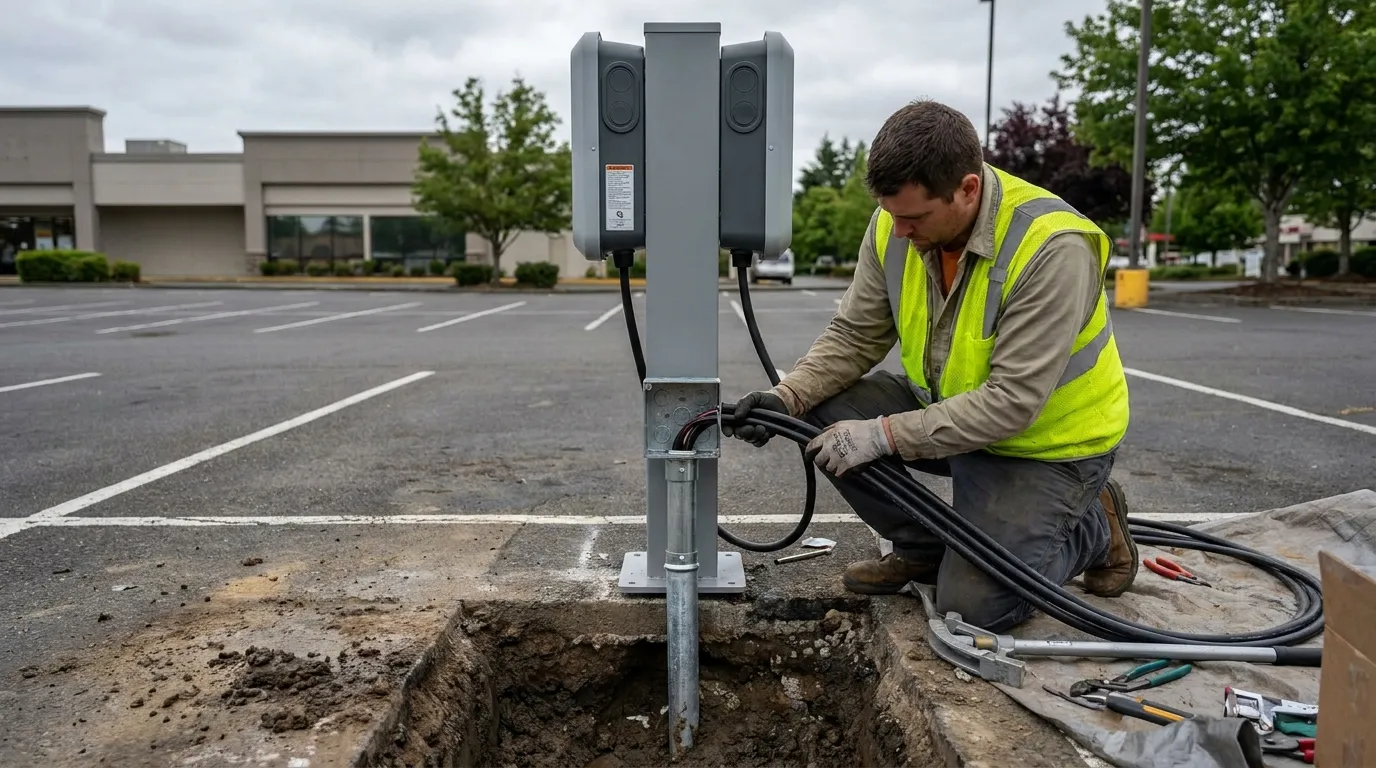
Commercial EV Charging Solutions
Planning chargers for a workplace, multifamily property, retail site, or fleet parking? See how Octopel scopes commercial EV charging, from capacity review to installation.
Learn More →Hardwired EV Charger vs Plug-In Charging Setup
Choosing the right ev charging station installation depends on your equipment and electrical system. Hardwired chargers connect permanently, while plug-in models use a specific, compatible receptacle.
Hardwired Charger
Characteristics
Permanently connected charging equipment directly wired into the home’s electrical circuit.
Key Considerations
Requires evaluating charger requirements, circuit sizing, location, and long-term serviceability.
Plug-In Charger
Characteristics
The charger connects to a compatible 240V electrical receptacle installed in the wall.
Key Considerations
Requires specific receptacle ratings, matching circuits, and strict adherence to equipment requirements.
The best option depends on your vehicle, charger model, and installation location.
We evaluate your home’s electrical system to determine the most practical and compliant setup.
How Home EV Charger Installation Works
We follow a clear, professional process to ensure your electric car charger installation meets technical requirements and functions reliably in your home.
- Share Your Vehicle and Charger DetailsWe gather information about your EV model, purchased or planned charging equipment, and preferred home parking location.
- Review Electrical CapacityWe evaluate your existing electrical panel, service size, and current load to determine available capacity for the new circuit.
- Confirm Circuit and Routing ScopeWe plan the cable routing from the electrical panel to the charger location and confirm whether any additional wiring or conduit is needed.
- Complete the InstallationOur team completes the electrical wiring, installs the appropriate breaker, and mounts or connects the charging equipment securely.
- Test the Charging SetupWe test the final installation to verify power delivery, confirm safety, and ensure the charger operates according to manufacturer specifications.
When You May Need Professional EV Charger Installation
Different situations require different electrical approaches. Select the scenario that best describes your charging needs to understand the next steps.
I bought an EV and need reliable home charging
A standard wall outlet may not meet your daily driving needs. We can assess your electrical panel and install a dedicated circuit for faster, more dependable charging at home.
I bought an EV and need reliable home charging
A standard wall outlet may not meet your daily driving needs. We can assess your electrical panel and install a dedicated circuit for faster, more dependable charging at home.
Why Hire an Electrician for EV Charger Installation?
As a licensed electrical contractor, Octopel ensures your ev charger installation is safe, correctly sized, and fully compliant with project requirements. We evaluate panel capacity and handle all necessary circuit wiring to provide reliable daily power.
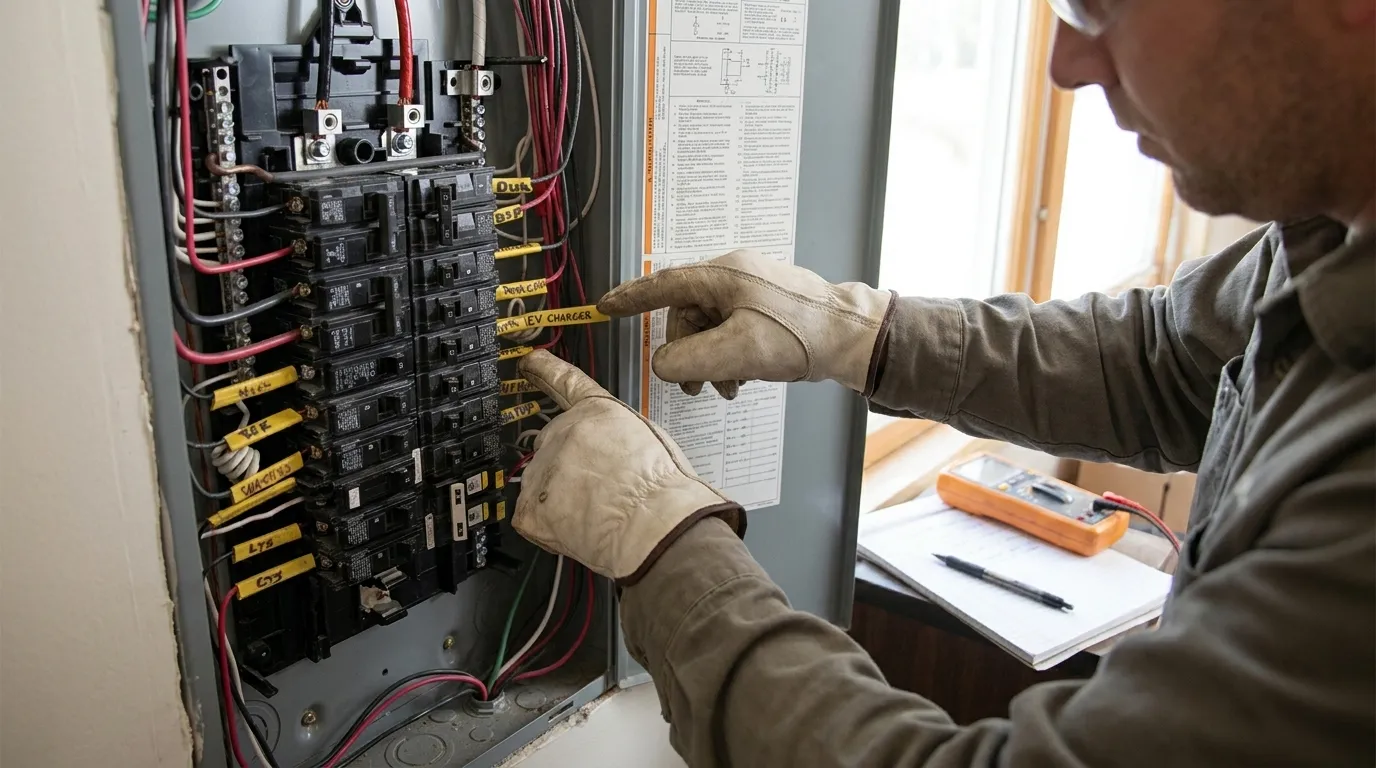
Comprehensive Capacity Assessment
We review your existing electrical loads and service size to verify that your panel can safely support the continuous draw of a new EV charger.
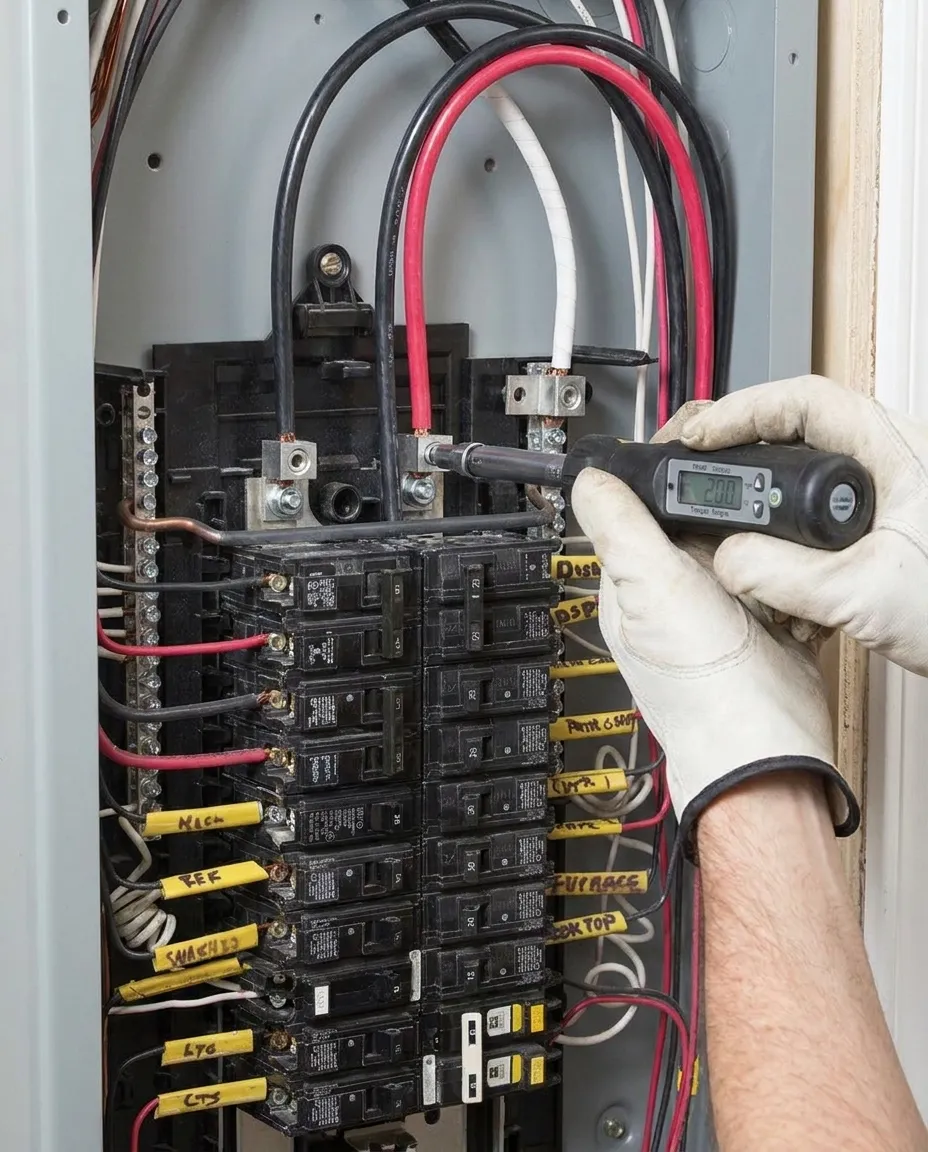
Code-Compliant Circuit Work
Whether hardwiring a unit or installing a new receptacle, we correctly size the wiring, breakers, and conduit to meet technical specifications.
1,000+ Residential Repairs
Electrical troubleshooting and repairs completed in occupied homes.
Washington Electrical Contractor
Washington electrical contractor registration OCTOPEL770O1.
Verification and Testing
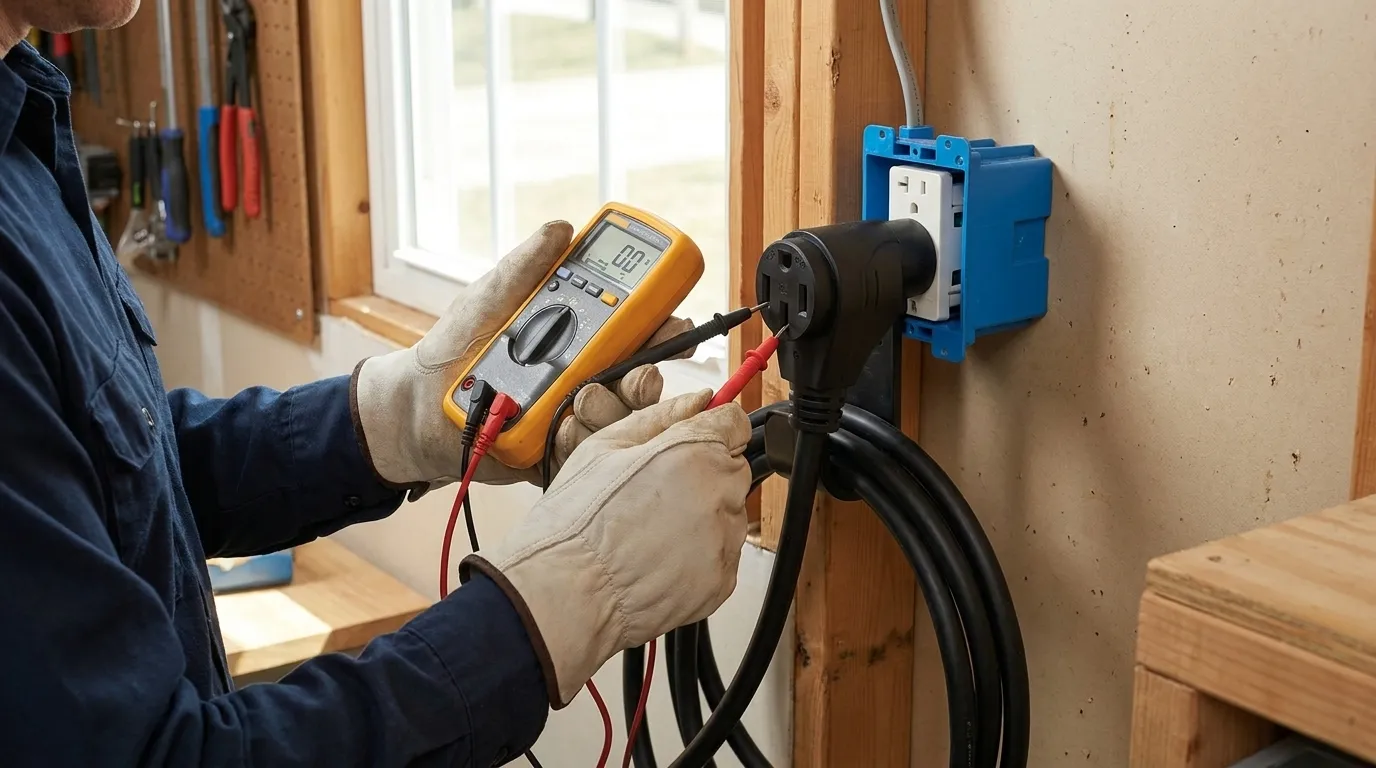
Every installation finishes with thorough testing. We confirm proper voltage and grounding to ensure your vehicle charges safely and reliably from day one.
How Much Does EV Charger Installation Cost?
Installation cost depends heavily on circuit distance, panel capacity, and charger requirements. A simple nearby setup differs significantly from long cable routing or panel-related work.
Circuit Distance and Routing
The distance from your electrical panel to the parking location impacts the amount of wiring, conduit, and labor required to complete the installation.
Panel Capacity and Upgrades
If your current electrical panel lacks the available capacity to support the charger, additional upgrades or load management solutions may affect the project scope.
Equipment Configuration
Installing a hardwired unit versus a plug-in receptacle involves different electrical requirements, materials, and connection methods.
Wall and Site Conditions
Routing cable through finished walls, underground to detached garages, or across complex outdoor environments requires specialized planning and materials.
Customer Reviews
Verified feedback from residential ev charger installation — direct home install customers across the region.
Vladyslav Leuta
Residential customer
Finally got an EV charger installed at home instead of relying on public stations. Octopel handled the whole ev charger installation, pulled the permit, and walked us through how the charging station works. ChargingRead full review →
Request EV Charger Installation at Home
Submit your vehicle make, charger model, and preferred parking location. During business hours, a manager responds within one hour to clarify details. On-site visits are scheduled based on the situation, location, and team availability.
Home EV Charger Installation in Western Washington State
Octopel provides professional residential EV charger installation throughout Western Washington State. We evaluate electrical capacity, plan circuits, and safely install charging equipment in local homes.
Availability and possible visit timing depend on the property location, reported problem, and team schedule.
Not sure whether your home is within the service area?
EV Charger Installation FAQ
Clear answers to common questions about electrical capacity, equipment requirements, and the home charging installation process.
The service typically begins with an initial assessment of your electrical panel and available capacity. From there, we plan the circuit, route the necessary wiring, and finalize the ev charger installation by mounting and testing the equipment for reliable power delivery.
Yes, if the work involves a new fixed electrical installation. Adding a dedicated circuit, upgrading a panel, or hardwiring a charging unit requires a licensed professional to ensure the system is correctly sized and meets safety standards.
Yes, we install an EV charger at home for a wide range of electric vehicles, from a standard home electric car charger installation to a hardwired or plug-in setup. We evaluate your home's electrical capacity and install the necessary wiring and circuits to provide dependable charging in your garage or driveway.
Yes. Charging for workplaces, retail sites, multifamily properties, and fleets is planned differently from a single home charger. See Commercial EV Charging Solutions for how those projects are scoped.
The project requires verifying equipment specifications, calculating your home's available electrical load, and routing new wiring from the panel to the parking location before completing the ev charging station installation.
Not necessarily, as it depends on the equipment and your specific electrical setup. However, most fixed residential charging installations, especially faster Level 2 chargers, require a dedicated 240V circuit to operate safely and effectively.
Not always. The need for a panel upgrade depends on your home’s existing electrical loads, service size, and the charger's requirements. We perform a load assessment to determine if your current panel can safely handle the additional demand.
It depends on your charger model, use case, and installation environment. Hardwired units are permanently connected and often preferred for outdoors or high-amperage charging, while plug-in setups require a specific receptacle but allow for easier equipment removal.