EV Charger Panel / Load Assessment
An EV charger load calculation determines if your home's electrical system has enough capacity for the planned charging load. This assessment decides whether you can proceed with a standard install or if an electrical upgrade is required.
- You are unsure whether the current panel can support EV charging.
- An installer mentioned a possible panel upgrade.
- You want to install a higher-capacity charger at home.
- The electrical panel has limited physical breaker space.
- You plan to add another major electrical appliance soon.
- You want to compare installation options before spending on an upgrade.
What Is Reviewed in an EV Charger Capacity Assessment?
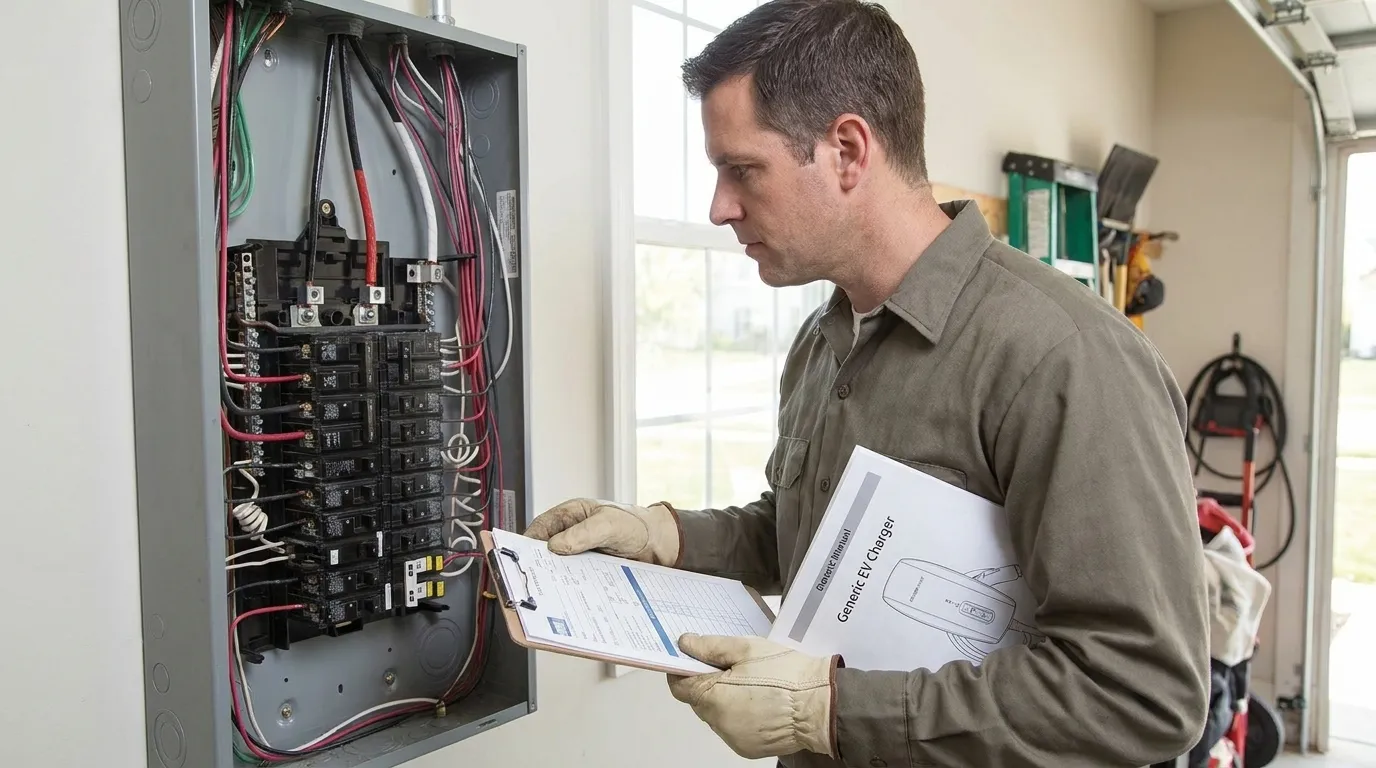
A proper assessment reviews the existing electrical system and the planned EV charger to identify feasible installation paths.
Electrical Service Rating
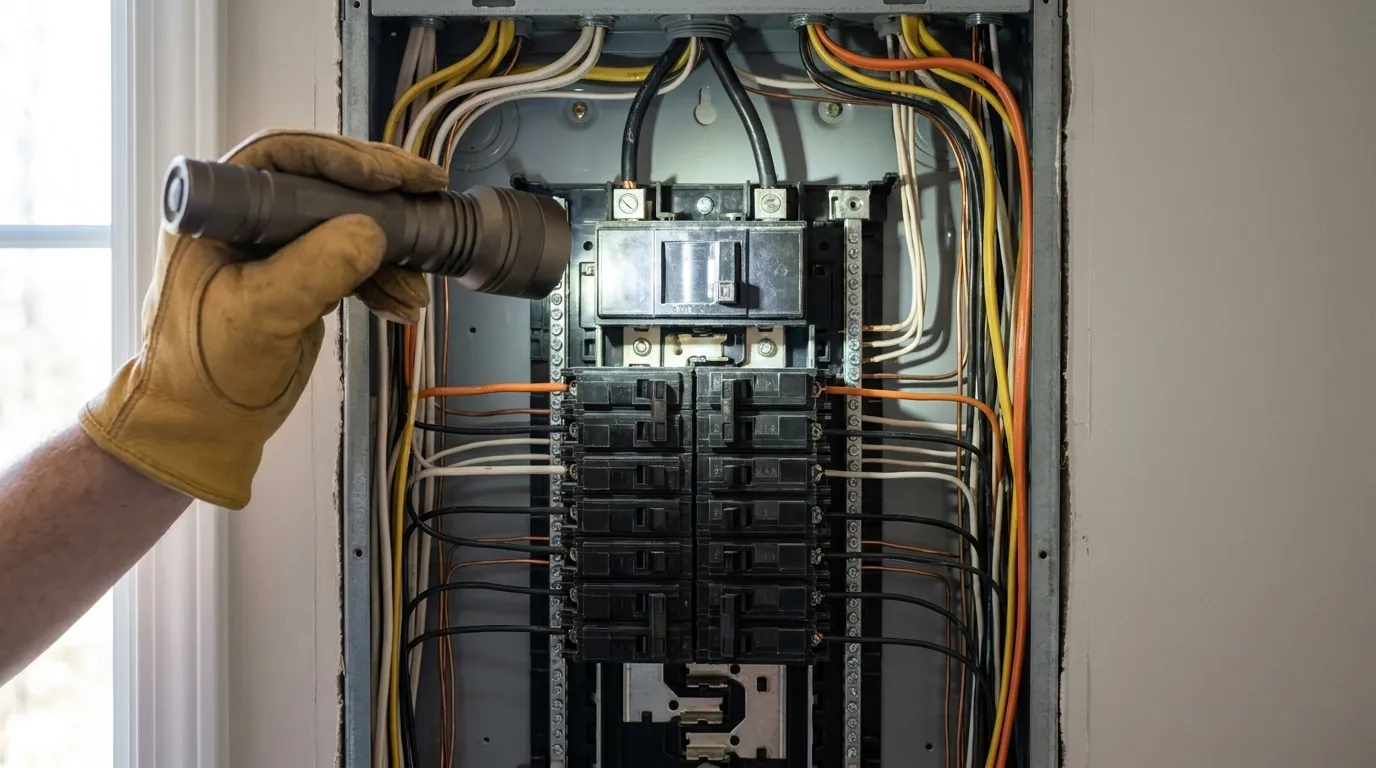
Checking the main service size to understand the maximum total electrical capacity available to the residential property.
Existing Calculated Loads
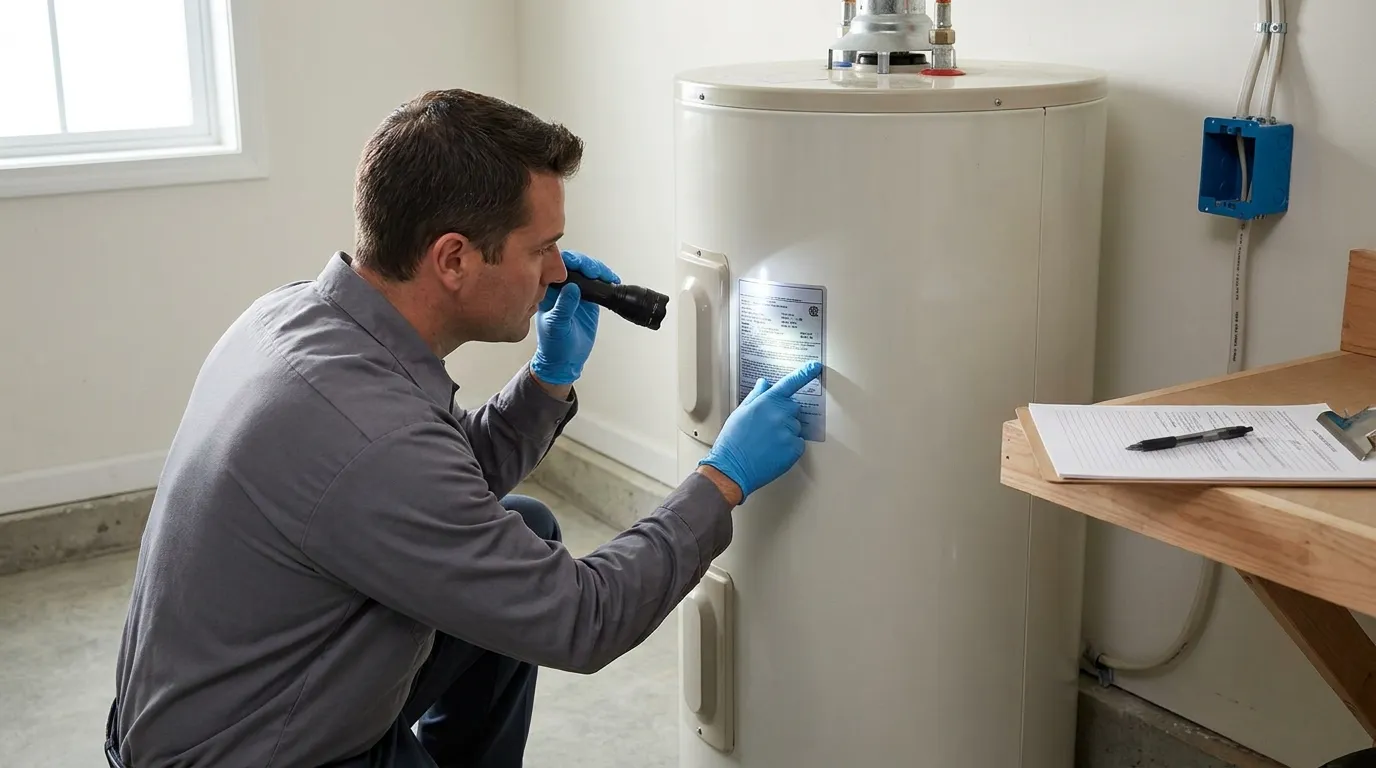
Reviewing current major electrical appliances and typical household consumption to see how much power is already spoken for.
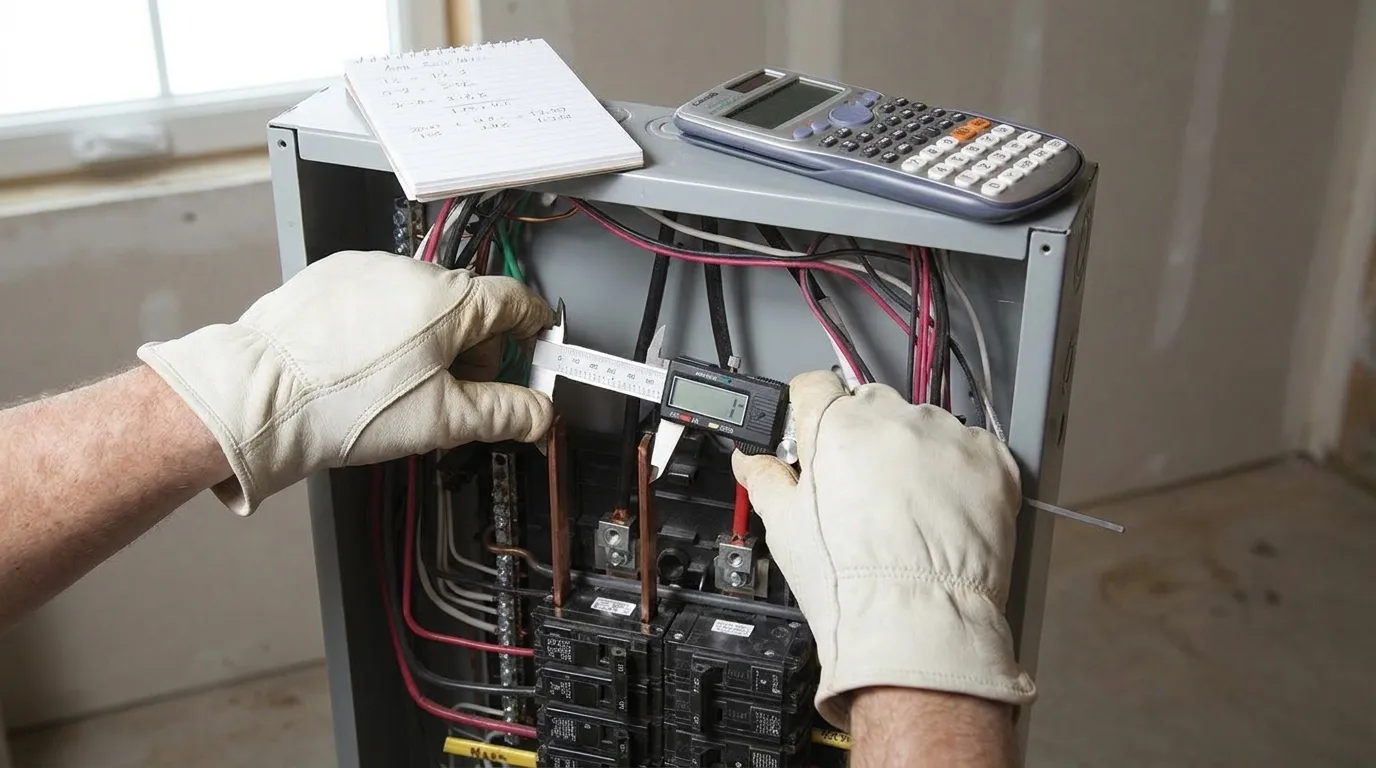
Panel Configuration
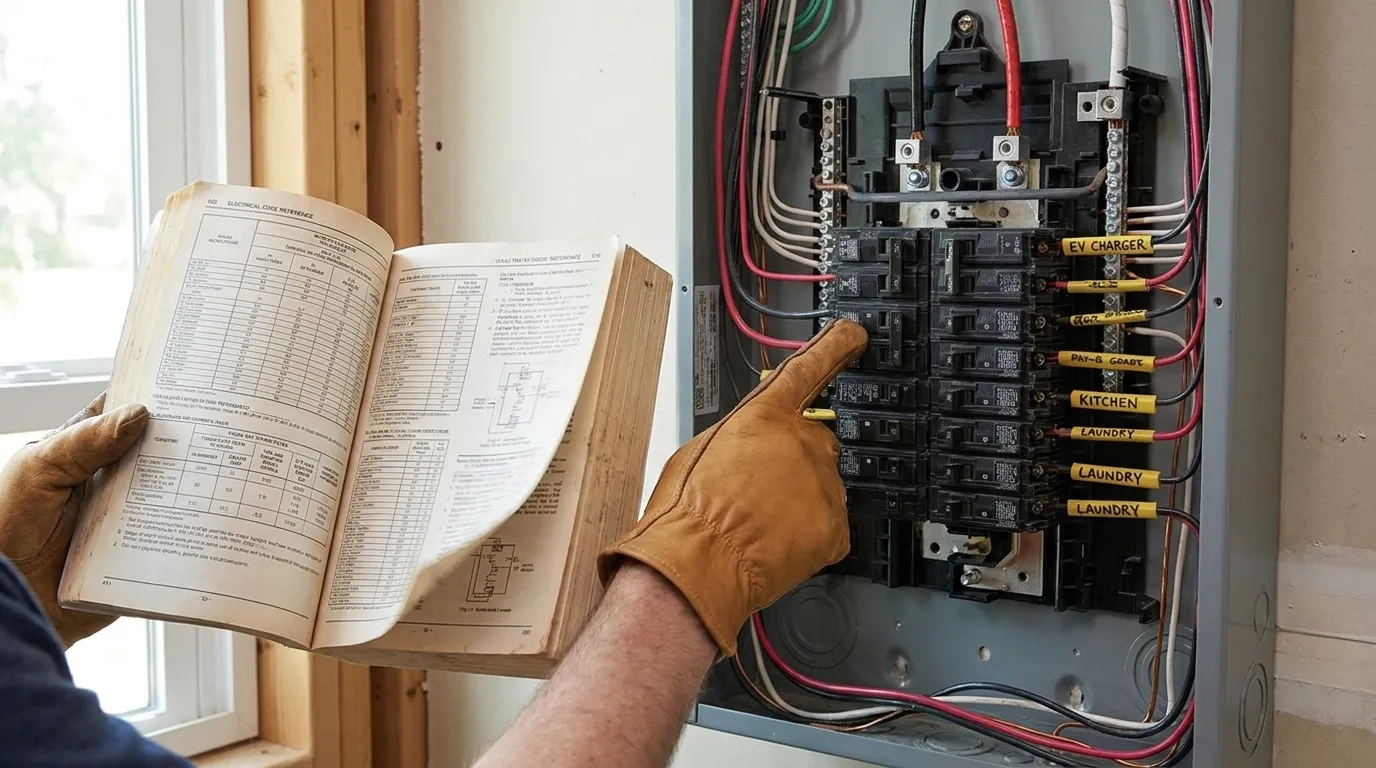
Inspecting the existing physical breaker space, the panel's condition, and manufacturer compatibility with new circuit equipment.
Expected Charging Circuit
Evaluating the planned EV charger, its intended continuous output settings, and the required electrical code treatment.
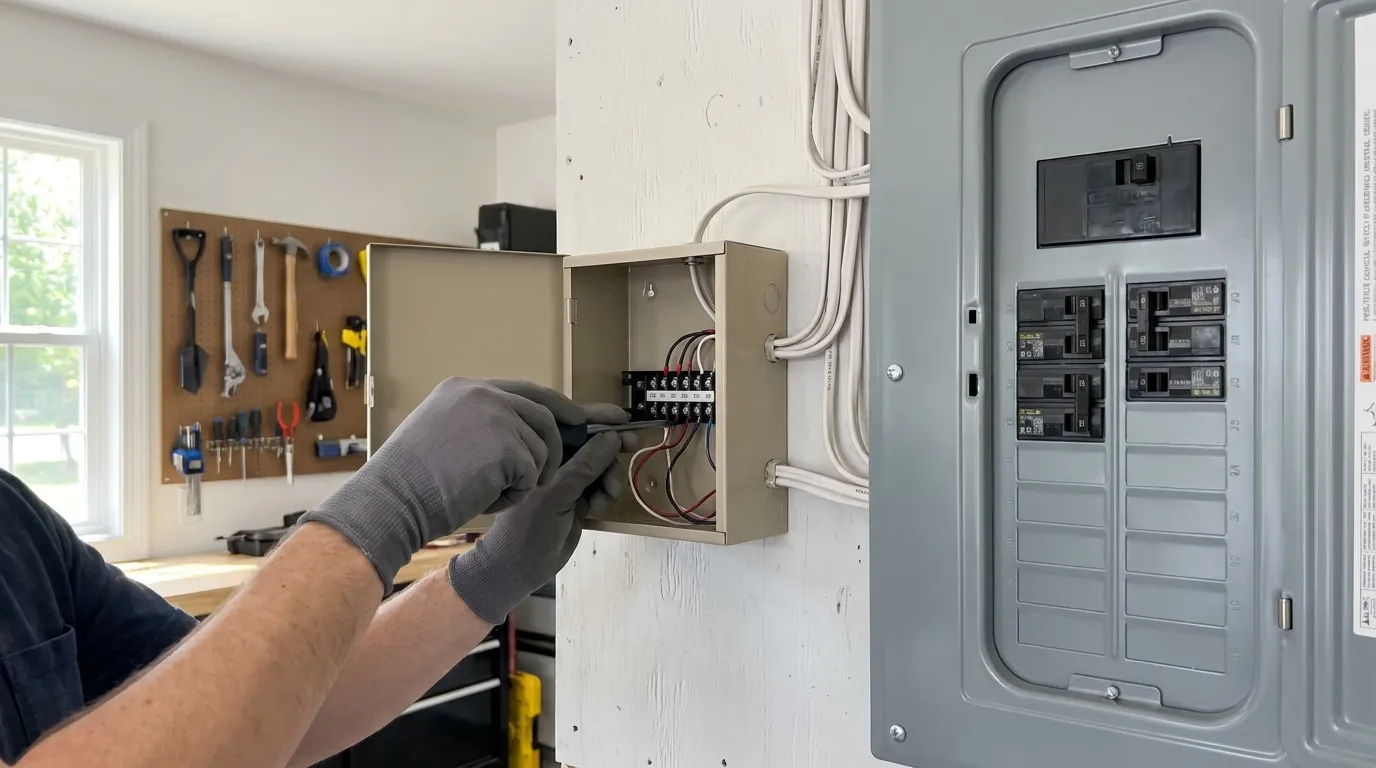
Installation Options
Determining if the system supports the charger, requires a load management system, or needs an electrical panel modification.
Empty Breaker Space vs. Available Electrical Capacity
Physical room in a panel does not automatically mean the system can handle more power. An electrical panel can have open breaker spaces without having enough calculated capacity for the additional EV charging load.
Empty Breaker Space
What it tells you
Room for more equipment
Shows if the panel can physically accept a new circuit breaker.
Determines total capacity?
No
Physical slots do not generate more total power from the utility.
Ready for EV charger?
Not necessarily
The total electrical load must still be calculated.
Available Electrical Capacity
What it tells you
Unused power availability
Shows if the home's electrical service can handle more demand.
Determines total capacity?
Yes
Based on the main service rating minus existing calculated loads.
Ready for EV charger?
If capacity is sufficient
Allows the safe addition of the continuous charging load.
Available breaker space and available electrical capacity are not the same thing.
A proper assessment considers existing calculated loads, service capacity, and charger requirements.
How an EV Charger Panel and Load Assessment Works
We evaluate your home's electrical infrastructure to determine the safest and most effective way to integrate your new vehicle charger.
- Share Charger and Vehicle PlansYou provide details about your intended electric vehicle, chosen charger model, and preferred charging speed.
- Provide Panel InformationWe gather details about your existing electrical panel, service rating, and major household loads.
- Review Existing CapacityWe evaluate the calculated household loads against the total electrical service rating to find your baseline.
- Identify Feasible PathsWe determine if the system supports the charger or if load management is a viable alternative.
- Plan the InstallationBased on the assessment, we finalize the installation design or outline any required panel modifications.
Evaluating Your Home's EV Charging Potential
Select the situation that best matches your current electrical setup to understand how the assessment proceeds.
I don't know my panel size
If you are unsure of your main breaker rating or existing electrical capacity, a complete panel assessment determines your baseline.
I don't know my panel size
If you are unsure of your main breaker rating or existing electrical capacity, a complete panel assessment determines your baseline.
Why Assess Electrical Capacity With Octopel?
With over 1,000 residential repairs and 10+ years of experience, our team approaches EV charger planning with safety and accuracy in mind. We do not guess; we measure and calculate to ensure your electrical system operates reliably.
Accurate Load Calculations
We calculate the actual required electrical capacity rather than making assumptions based solely on the physical size of your electrical panel.

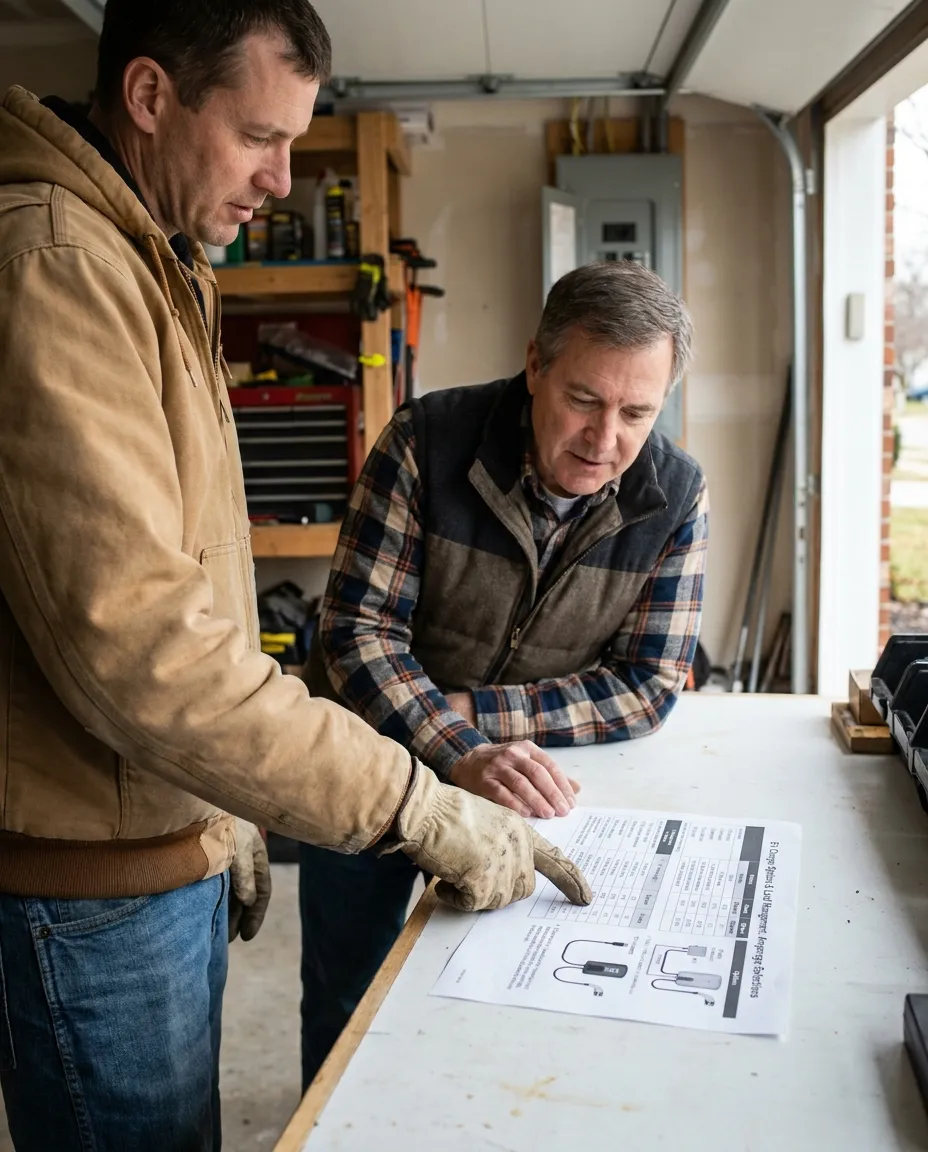
Transparent Options
If capacity is limited, we explore load management or lower-output charging designs before automatically recommending an expensive service upgrade.
1,000+ Residential Repairs
Electrical troubleshooting and repairs completed in occupied homes.
Washington Electrical Contractor
Washington electrical contractor registration OCTOPEL770O1.
Professional Review
As a registered Washington electrical contractor, our assessments align with applicable electrical codes to protect your home and vehicle.
What Influences the Scope of an EV Charger Assessment
The complexity of evaluating your electrical panel depends on several specific factors related to your home's infrastructure and your charging goals.
Available Electrical Information
If the main service rating and existing panel configuration are clearly labeled and easily accessible, the assessment process is more straightforward.
Complexity of Household Loads
Homes with multiple heavy electric appliances, such as heat pumps, hot tubs, or electric ranges, require a more detailed calculation of existing demand.
Planned Charger Configuration
The desired charging speed and equipment type impact how much additional continuous capacity the system must be able to support.
Site Visit Requirements
In some cases, a physical inspection is necessary to evaluate the condition of older electrical panels or to verify utility infrastructure.
Customer Reviews
Verified feedback from residential ev charger panel / load assessment customers across the region.
Kasey Oleary
Residential customer
Octopel reconnected our new hot tub and ensured the electrical installation met current code requirements. The team handled the inspection process professionally, addressed all inspection requirements, and theRead full review →
Andy Kuljis
Residential customer
I have used Demeatri or Octopel, four times over the last five years, two 200 amp new service boxes, some underground work, rewiring a barn, and has cleaned up unsafe wiring on my farm. Always making time for my needsRead full review →
Rishi Pathak
Residential remodel customer
These guys are professional. They are very good at navigating through surprises during the project. They have good recommendations for folks who need some help with what they want to achieve. Dima is my go-to person forRead full review →
Angelina Dorosh
Residential remodel customer
Octopel has completed multiple electrical projects for us, from regular electrical service and troubleshooting to larger remodeling work. We have used them for repairs around the house as well as electrical work duringRead full review →
Beth Knight
Residential customer
Dimitri was exceptional! He repaired the entire electrical fixture that was taken down by a tree, in awful weather, and never complained! Cold and pouring rain! I would definitely use this company again!Read full review →
Gio Hwang
Residential customer
Octopel installed a new power pole and 200-amp electrical service for my manufactured home. The Octopel team was professional, communicated clearly, and completed the work efficiently. Everything has been working well,Read full review →
Hrach Voskanian
Residential customer
Reliable, fast, and most important good job. Highly recommendRead full review →
Adam Patterson
Residential remodel customer
Mid-remodel we realized a lot of our old wiring needed to be redone. Octopel came in as our remodel electrician and worked around the rest of the construction crew without any scheduling issues.Read full review →
Check Your Home's EV Charging Capacity
Submit your charger details, vehicle plans, and panel photos. A manager responds within one hour during business hours to discuss your system. Site visits are scheduled based on the situation, location, and team availability.
EV Charger Load and Panel Assessment in Western Washington State
Octopel provides professional EV charger load calculations and electrical panel evaluations for residential properties across Western Washington State.
Availability and possible visit timing depend on the property location, reported problem, and team schedule.
Not sure whether your home is within the service area?
EV Charger Panel and Load Assessment FAQ
Common questions about determining electrical capacity and preparing your panel for a home EV charger.
An EV charger load calculation is a formal assessment that determines whether a home’s electrical system can safely support the additional power required by a vehicle charger. It measures the total electrical service rating against existing calculated household loads.
Not necessarily. Whether you need a panel upgrade for an EV charger depends on the home’s existing calculated load, available electrical capacity, and the specific charger requirements. Alternative charging configurations or load management can sometimes be used instead of a full upgrade.
You determine if you have the right electrical panel for an EV charger through a professional capacity assessment. This involves reviewing the main service rating, the existing calculated load of your major appliances, and the planned charging circuit for your home EV charger installation.
No, not by itself. An electrical panel can have physical space for another breaker without having enough available electrical capacity to safely power the continuous load of an EV charger.
The EV charger electrical load refers to the continuous amount of power the charger draws while actively charging a vehicle. This load is determined by the charger's configuration, the designed circuit, and the output setting chosen during installation.
Depending on your daily driving needs, charger type, and existing electrical design, a lower-amperage charging configuration may sometimes be possible. A load calculation helps verify if this alternative fits within your current system for a Level 2 EV charger installation.
Sometimes. A compatible load-management system can pause or reduce the charger's power draw when other heavy appliances are running. While this can often prevent the need for an electrical service upgrade, it is not a universal solution for every home.
An EV charger panel upgrade is typically required when the selected installation cannot be supported by the existing electrical system, and another acceptable design or load management solution is not feasible. Older panels with safety limitations may also require replacement.
No. The main service rating alone does not answer the full capacity question. A 200A panel might already be maxed out by multiple heavy appliances, while a 100A panel in a home with gas appliances might have room for a lower-output charger.
The cost varies based on the assessment scope, available electrical information, and whether a site visit is required. Complex household loads or the need for additional utility coordination may also influence the evaluation process.