Subpanel Installation
Subpanel installation adds a secondary electrical distribution panel to organize new circuits closer to a garage, ADU, or workshop. It extends your existing system's layout, but does not increase your home's total incoming electrical capacity on its own.
- Add several circuits safely in a garage or workshop
- Support the electrical loads of a new addition or ADU
- Create organized distribution closer to new heavy loads
- Reduce the need for long branch-circuit routing
- Prepare your property for future electrical expansion
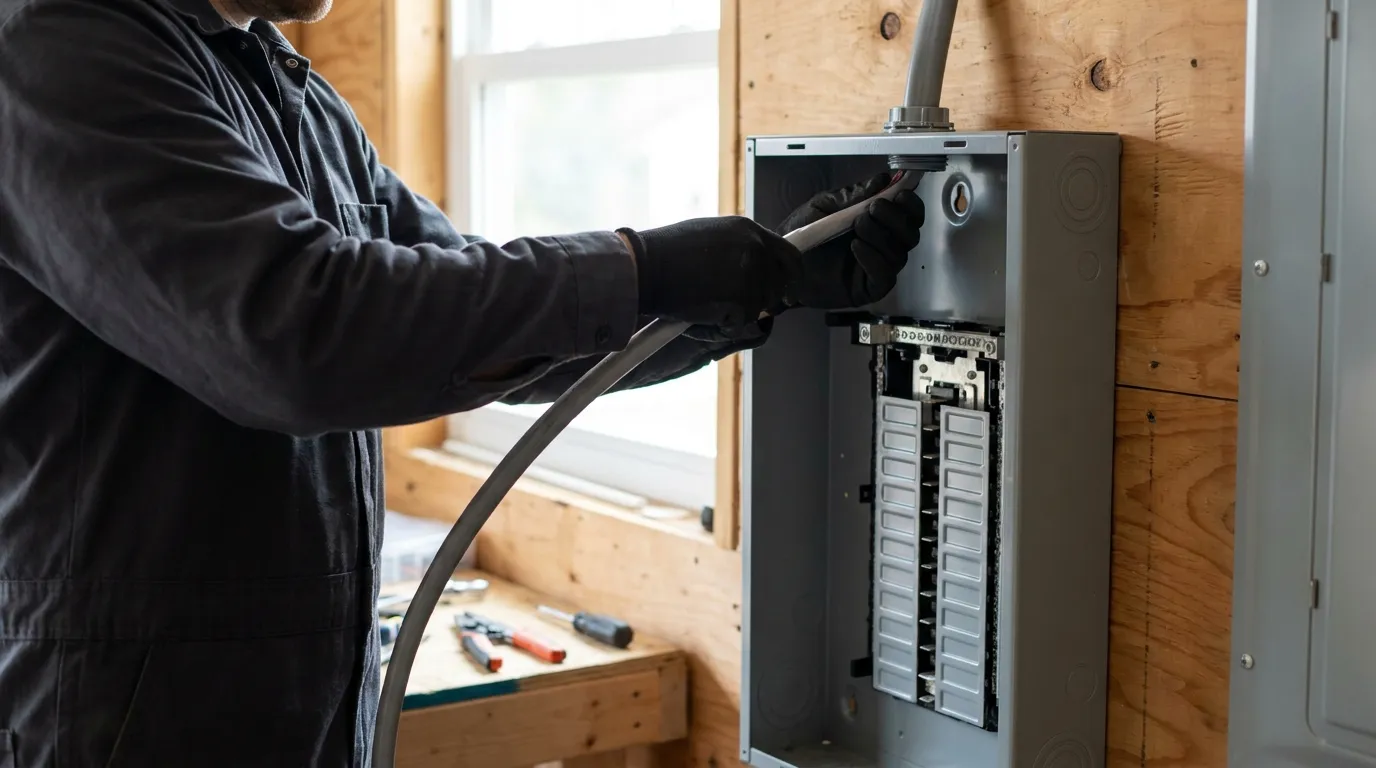
What Subpanel Installation Can Include
An electrical subpanel installation creates downstream distribution supplied by a feeder from your main panel, giving you local control over new circuits.
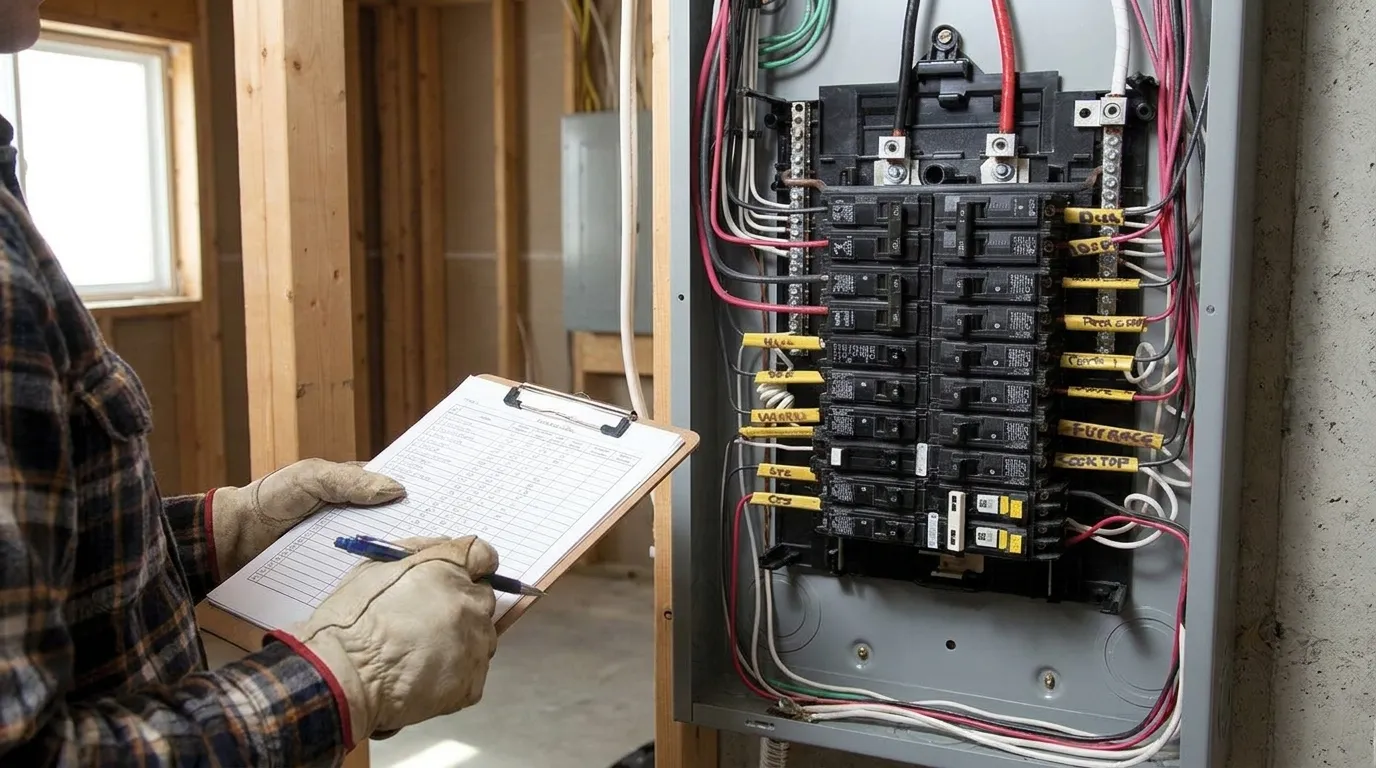
Load and Capacity Review
Assessing your existing main panel and calculating current electrical loads to ensure your total system has enough capacity for the planned branch circuits.
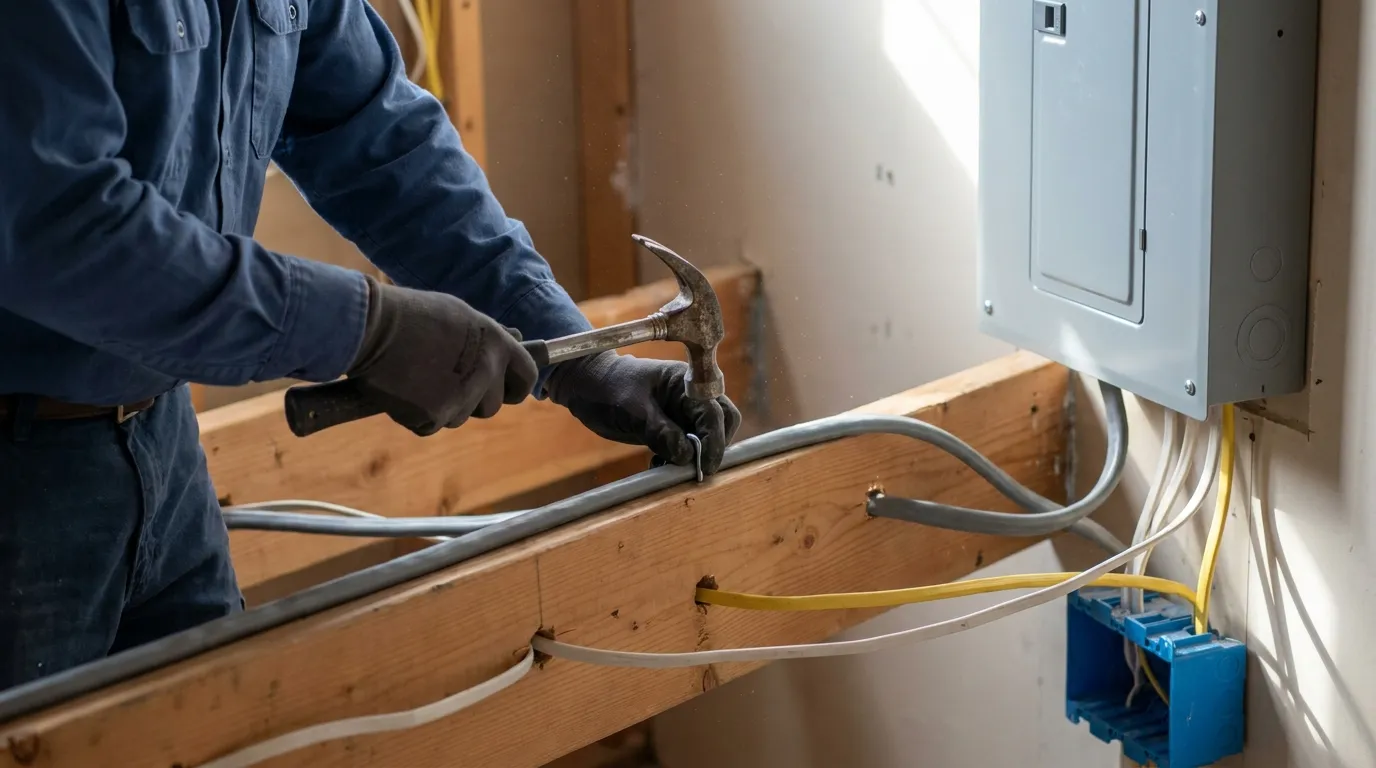
Subpanel Location & Feeder Design
Planning the best location for the secondary panel and routing the necessary feeder wire to connect it safely back to your main electrical panel.
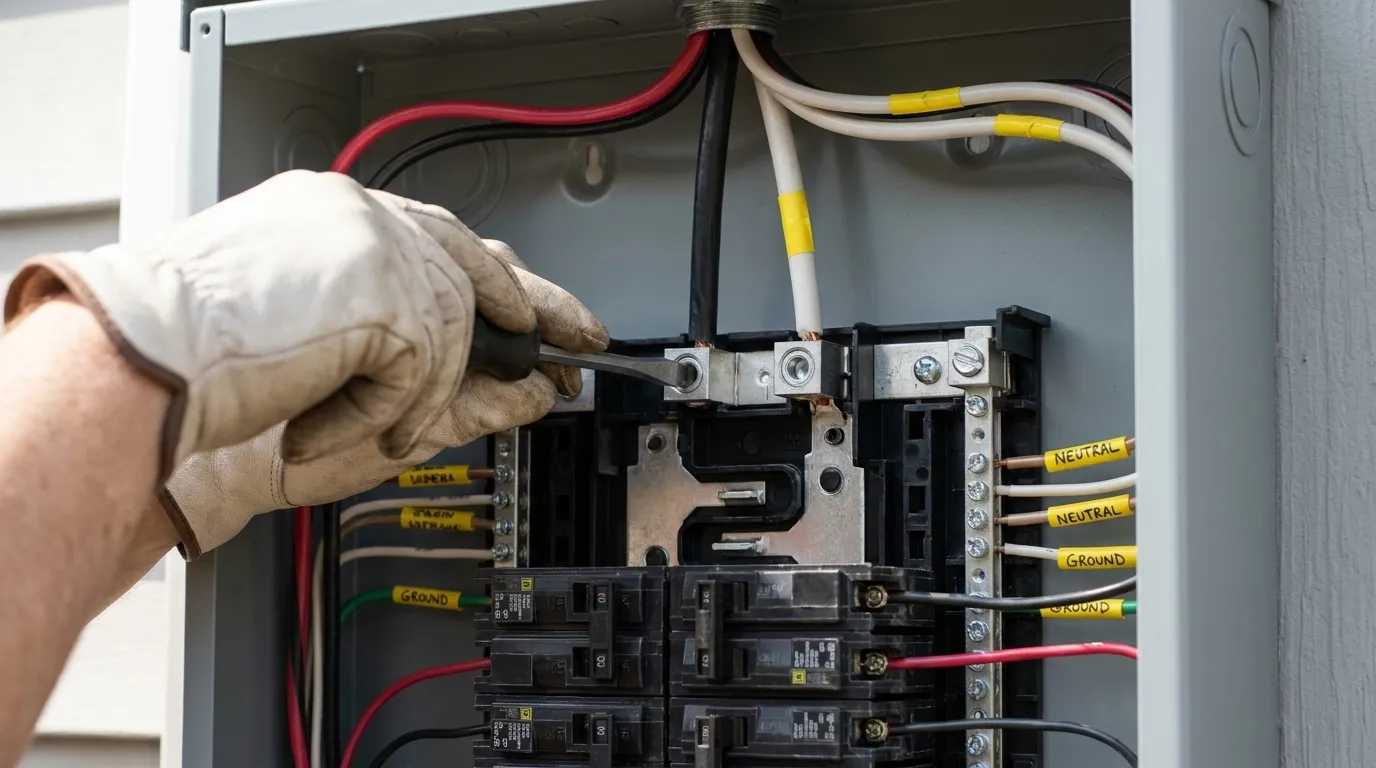
Subpanel Mounting & Connections
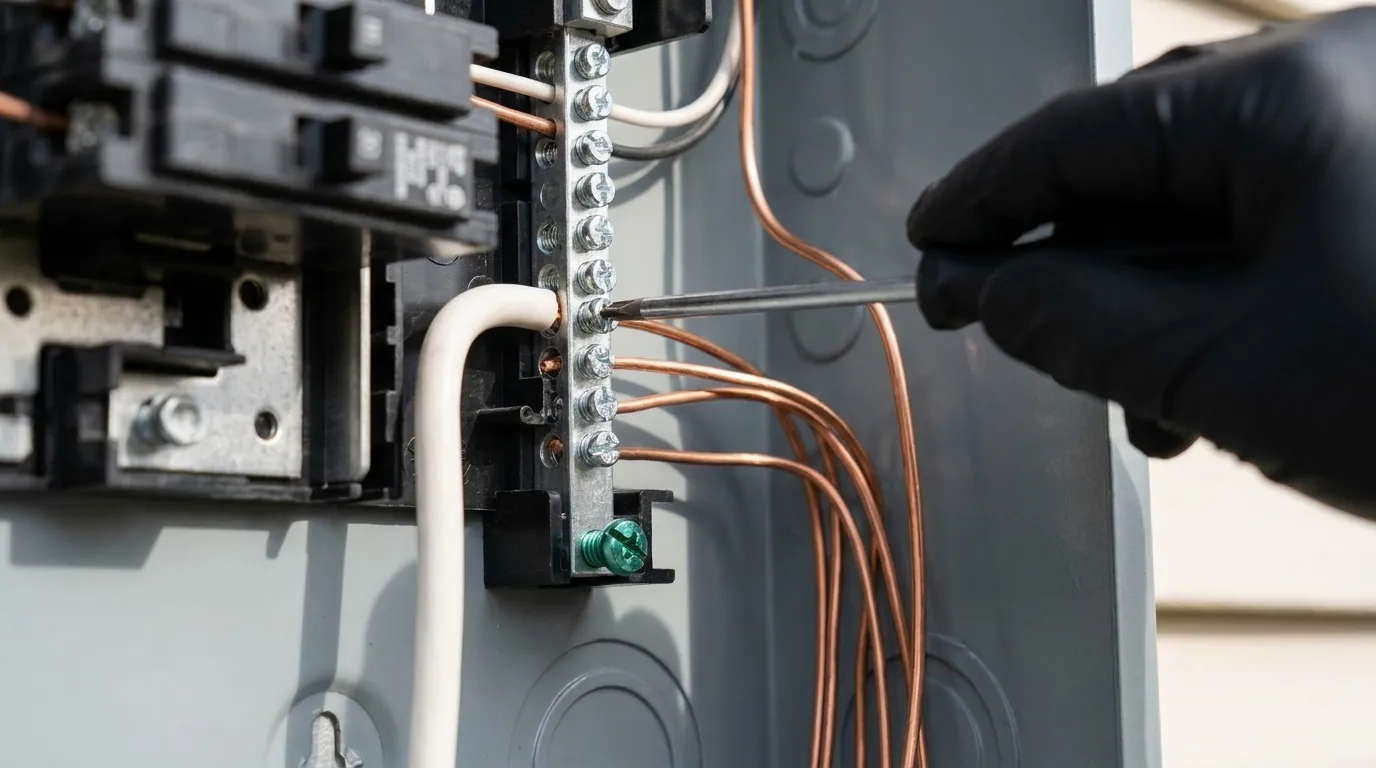
Mounting the enclosure, installing the appropriate breakers, and properly configuring neutral isolation and bonding according to project requirements.
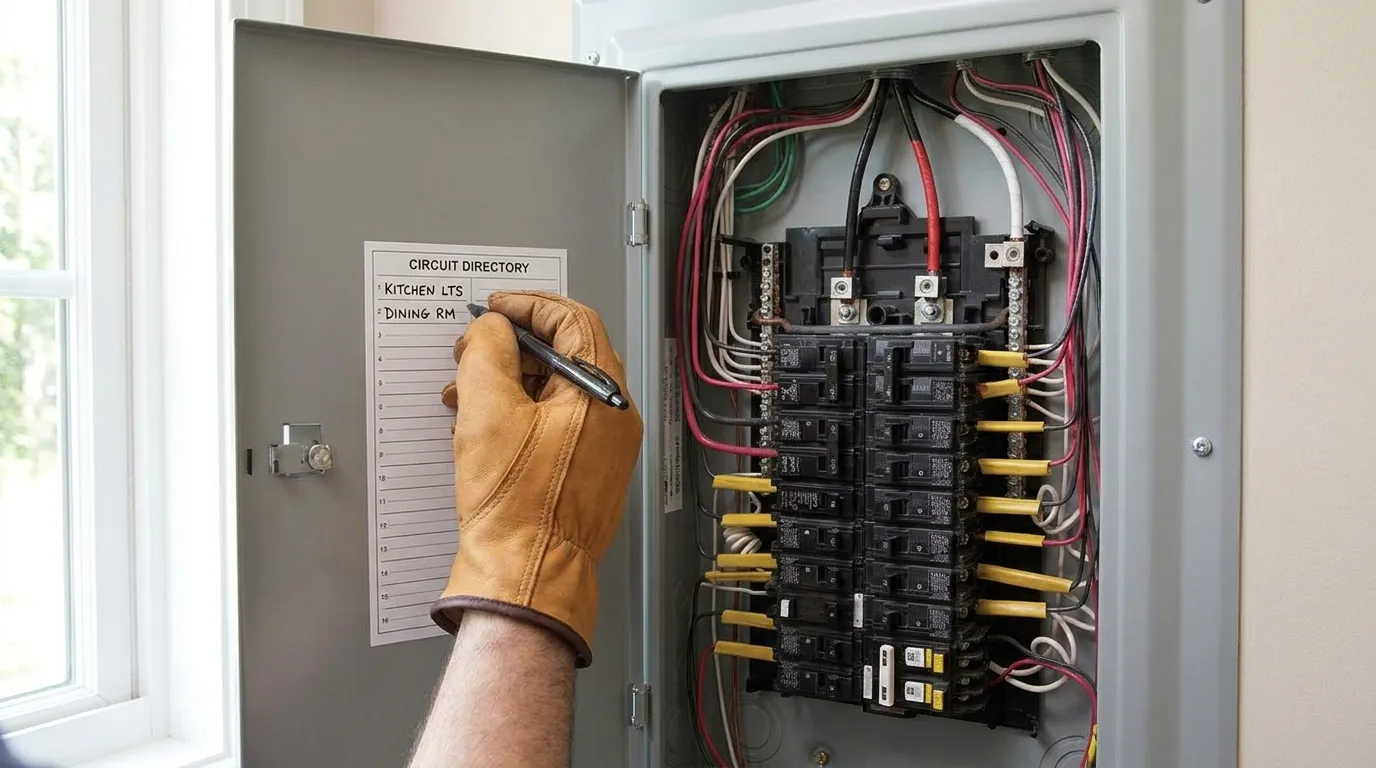
Circuit Routing & Labeling
Connecting the new branch circuits to the sub panel installation, testing the connections, and clearly labeling each breaker for safe future reference.
Subpanel Installation vs. Service Upgrades
While both projects expand your electrical capabilities, they solve fundamentally different problems for your home's overall electrical system.
Subpanel Installation
Primary purpose
Add local circuit distribution
Organizes branch circuits closer to a detached garage, workshop, or ADU.
Effect on capacity
No change to total capacity
Relies entirely on the existing main panel's incoming power supply.
Connection point
Supplied by the main panel
Fed through a dedicated breaker and feeder wire.
Service Upgrade
Primary purpose
Increase incoming power
Brings more total utility power into the home.
Effect on capacity
Expands total capacity
Allows the home to support major new electrical loads safely.
Connection point
Utility meter to main panel
Often involves coordinating closely with the local utility provider.
If your main panel lacks the total capacity to support a subpanel, a service upgrade or load management system may be required first.
How Subpanel Installation Works
From initial planning to final testing, here is how we approach adding secondary circuit distribution to your property.
- Define Circuits and AreaWe start by identifying the new loads—such as an EV charger, workshop tools, or ADU appliances—and exactly where they need to go.
- Assess CapacityA professional load calculation determines if your existing main panel and electrical service have the capacity to support the planned additions.
- Select Location and RouteWe plan the subpanel location and the feeder route, whether running through a basement ceiling or underground to a detached structure.
- Install and ConnectOctopel's electricians mount the enclosure, route the feeder and branch circuits, and make all necessary electrical connections safely.
- Label, Test and CoordinateWe verify grounding and bonding, test all circuits, clearly label the breakers, and coordinate required jurisdictional inspections.
When Might a Home Need a Subpanel?
Subpanels bring safe power distribution directly to the areas where you need it most, dramatically reducing the need for long, complicated wire runs.
Detached Garage or Workshop
When building out a separate workspace, a secondary panel allows you to operate heavy tools, lighting, and chargers without running separate wires from the house for every single outlet.
Detached Garage or Workshop
When building out a separate workspace, a secondary panel allows you to operate heavy tools, lighting, and chargers without running separate wires from the house for every single outlet.
Why Choose Octopel for Subpanel Wiring
With over 1,000 residential repairs and installations completed, Octopel's electricians ensure your home's power distribution is safe, compliant, and correctly sized for your family's needs.
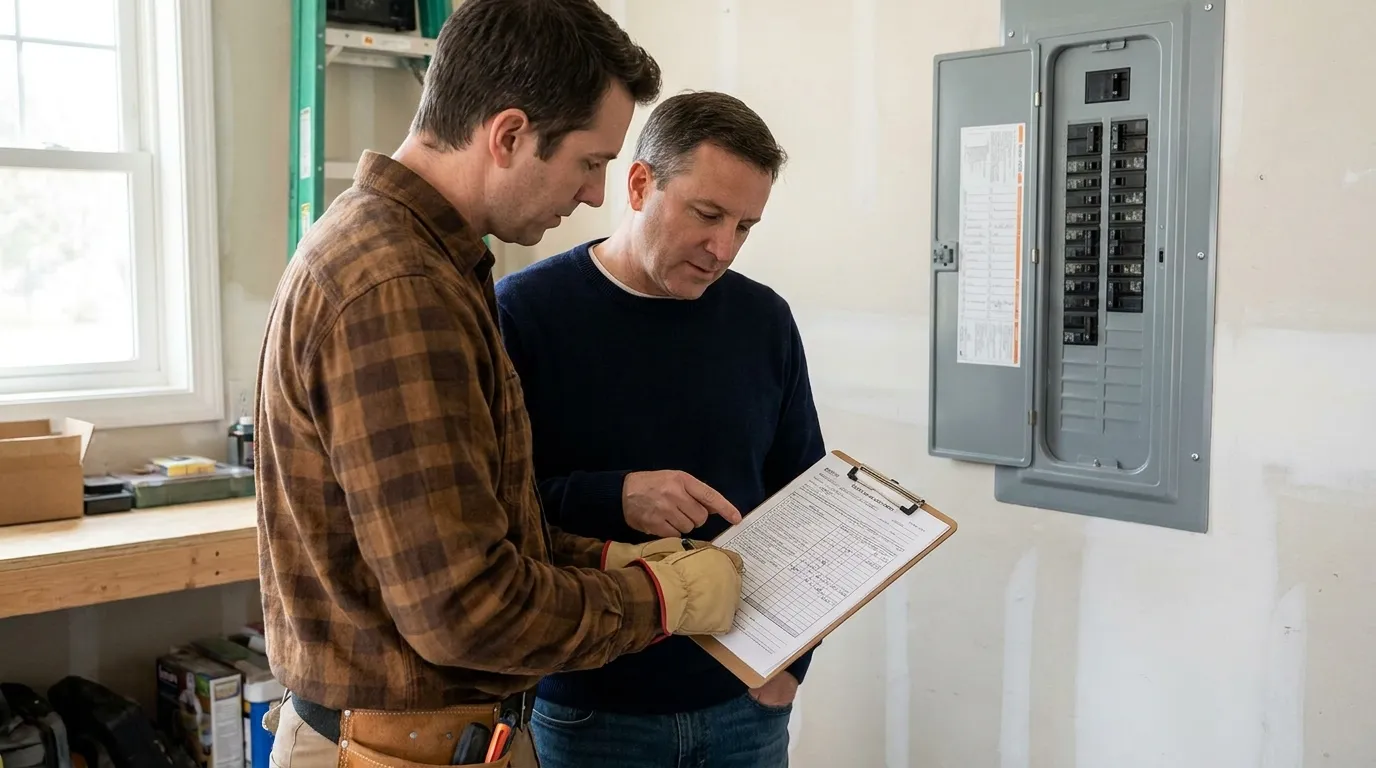
Thorough Capacity Assessment
Before any sub panel installation, we perform a detailed load calculation to ensure your existing electrical service can safely handle the new equipment.
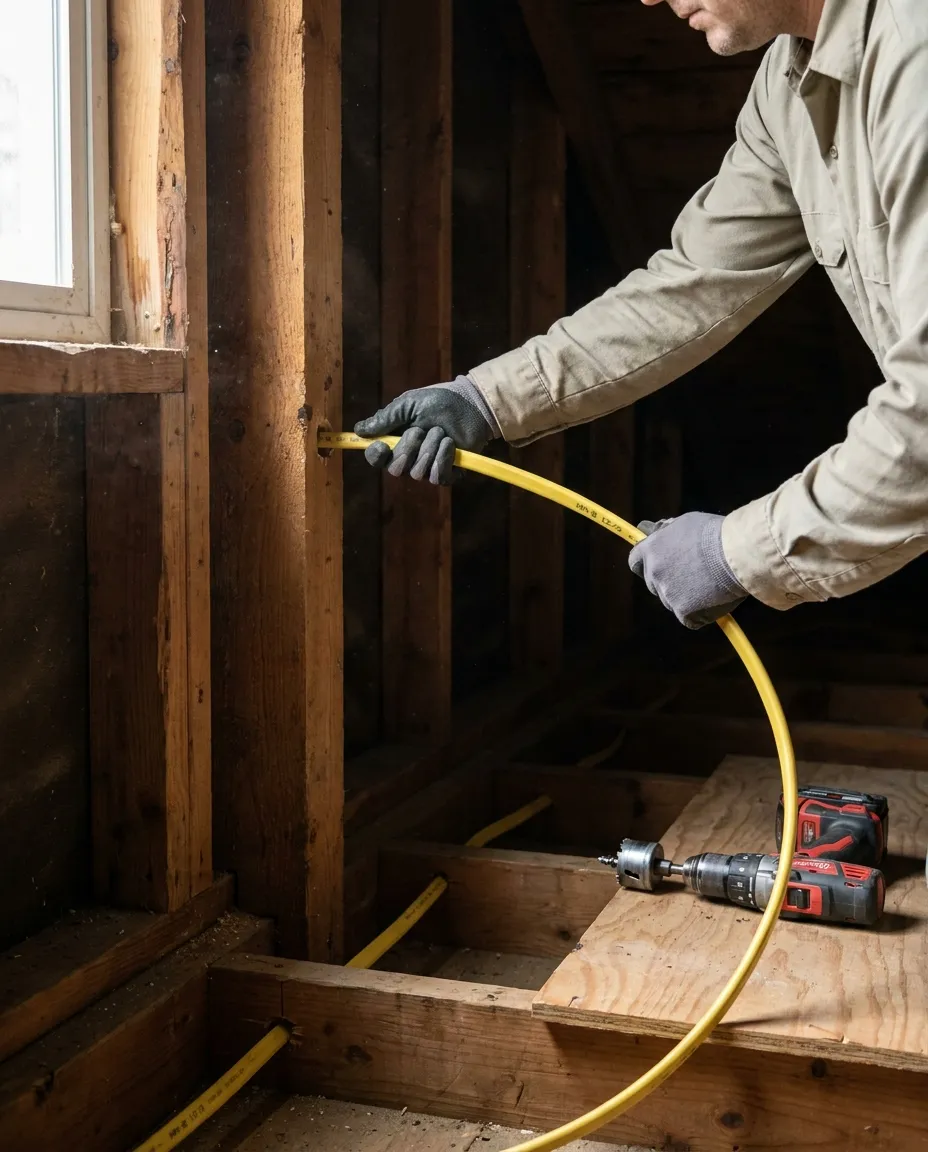
Careful Feeder Routing
Whether navigating a finished basement ceiling or planning trenching for a detached structure, we plan feeder routes that minimize disruption to your home.
1,000+ Residential Repairs
Electrical troubleshooting and repairs completed in occupied homes.
Washington Electrical Contractor
Washington electrical contractor registration OCTOPEL770O1.
Code-Compliant Isolation
We meticulously configure neutral and ground isolation in downstream panels, following local requirements to help protect your property from faults.
What Affects the Scope of Subpanel Work?
Every home's layout and power requirements are unique. The overall scope of your subpanel project depends heavily on these key variables.
Location and Feeder Length
The physical distance from your main panel to the new subpanel determines the length and necessary gauge of the feeder wire.
Attached vs. Detached Structure
Routing power to a detached garage or ADU often involves exterior conduit or underground trenching, requiring more site work.
Required Equipment Capacity
The amperage rating of the subpanel and the total number of planned circuits influence the physical size of the enclosure and wiring.
Structural Accessibility
Open crawlspaces or unfinished basements make routing easier, while finished walls or solid concrete obstacles take more time to navigate.
Customer Reviews
Verified feedback from residential subpanel installation customers across the region.
Kasey Oleary
Residential customer
Octopel reconnected our new hot tub and ensured the electrical installation met current code requirements. The team handled the inspection process professionally, addressed all inspection requirements, and theRead full review →
Andy Kuljis
Residential customer
I have used Demeatri or Octopel, four times over the last five years, two 200 amp new service boxes, some underground work, rewiring a barn, and has cleaned up unsafe wiring on my farm. Always making time for my needsRead full review →
Rishi Pathak
Residential remodel customer
These guys are professional. They are very good at navigating through surprises during the project. They have good recommendations for folks who need some help with what they want to achieve. Dima is my go-to person forRead full review →
Angelina Dorosh
Residential remodel customer
Octopel has completed multiple electrical projects for us, from regular electrical service and troubleshooting to larger remodeling work. We have used them for repairs around the house as well as electrical work duringRead full review →
Beth Knight
Residential customer
Dimitri was exceptional! He repaired the entire electrical fixture that was taken down by a tree, in awful weather, and never complained! Cold and pouring rain! I would definitely use this company again!Read full review →
Gio Hwang
Residential customer
Octopel installed a new power pole and 200-amp electrical service for my manufactured home. The Octopel team was professional, communicated clearly, and completed the work efficiently. Everything has been working well,Read full review →
Hrach Voskanian
Residential customer
Reliable, fast, and most important good job. Highly recommendRead full review →
Adam Patterson
Residential remodel customer
Mid-remodel we realized a lot of our old wiring needed to be redone. Octopel came in as our remodel electrician and worked around the rest of the construction crew without any scheduling issues.Read full review →
Request Subpanel Installation
Submit your project details. During business hours, a manager will respond within one hour to discuss your proposed subpanel location, existing main panel, and intended circuits, then schedule a site visit.
Subpanel Installation in Western Washington State
Octopel provides licensed subpanel installation and electrical distribution upgrades for homes and detached structures throughout Western Washington State.
Availability and possible visit timing depend on the property location, reported problem, and team schedule.
Not sure whether your home is within the service area?
Subpanel Installation FAQ
Answers to common questions about secondary electrical distribution, capacity planning, and garage power setups.
An electrical subpanel is a downstream distribution panel supplied by a feeder from the main electrical system. It contains breakers for branch circuits in a specific area, like an addition or workshop, but does not generate additional power on its own.
The process of subpanel installation includes assessing your main panel's capacity, routing the feeder wire, mounting the new enclosure, installing breakers, configuring grounding, and terminating the new branch circuits safely.
No, a subpanel does not increase your home's total incoming electrical capacity. It only distributes the power already provided by your main system. If you need more total power, you may require a 200A service upgrade or similar capacity increase.
You may need to install a subpanel when you are adding multiple new circuits to a concentrated area—such as finishing a basement, building an ADU, or setting up a home workshop—and want to avoid running individual wires all the way back to the main panel.
Not always. If you are only adding one or two standard outlets to an attached garage, individual circuits might suffice. However, a garage subpanel installation is highly recommended for heavy loads like workshop tools, electric vehicle chargers, or multiple major appliances.
It depends on the feeder wire size, the subpanel's rating, and your home's total service capacity. A properly designed system can support high-demand equipment, but a professional load calculation is required to ensure safe operation.
They solve completely different problems. You replace a main panel when the existing equipment is unsafe, damaged, or severely outdated. You add a subpanel when the main panel is in good condition but you need to distribute new circuits to a different part of the property.
It depends on the route and existing site conditions. Running power to a detached structure often requires underground trenching to bury the conduit, though overhead wiring is sometimes an option depending on local codes and the layout of your property.
Not automatically. If your current service has enough unused capacity to support the new loads you plan to connect to the subpanel, your existing service can remain as is. Requirements vary by project and the specific equipment you intend to run.
Costs for electrical subpanel installation vary widely based on the distance from the main panel, whether the structure is attached or detached, and the number of circuits being added. Because every home is different, a site visit is necessary to assess the existing system and determine the exact scope.