Dedicated Circuit for EV Charger
An EV charger circuit installation provides a safe, dedicated circuit for an EV charger in your home. This service covers the breaker, wiring, and power connection, separate from mounting the physical charging unit itself.
- You have already selected a charger and need the circuit work done first.
- An existing garage receptacle is not suitable for continuous charging loads.
- You are deciding between plug-in and hardwired electrical connections.
- Your planned charger location is far from the main electrical panel.
- A charger installer requested a dedicated circuit before they begin.
What EV Charger Circuit Installation Can Include
A complete EV charger circuit installation covers everything from the main panel to the supply point, depending on the charger output and planned route.
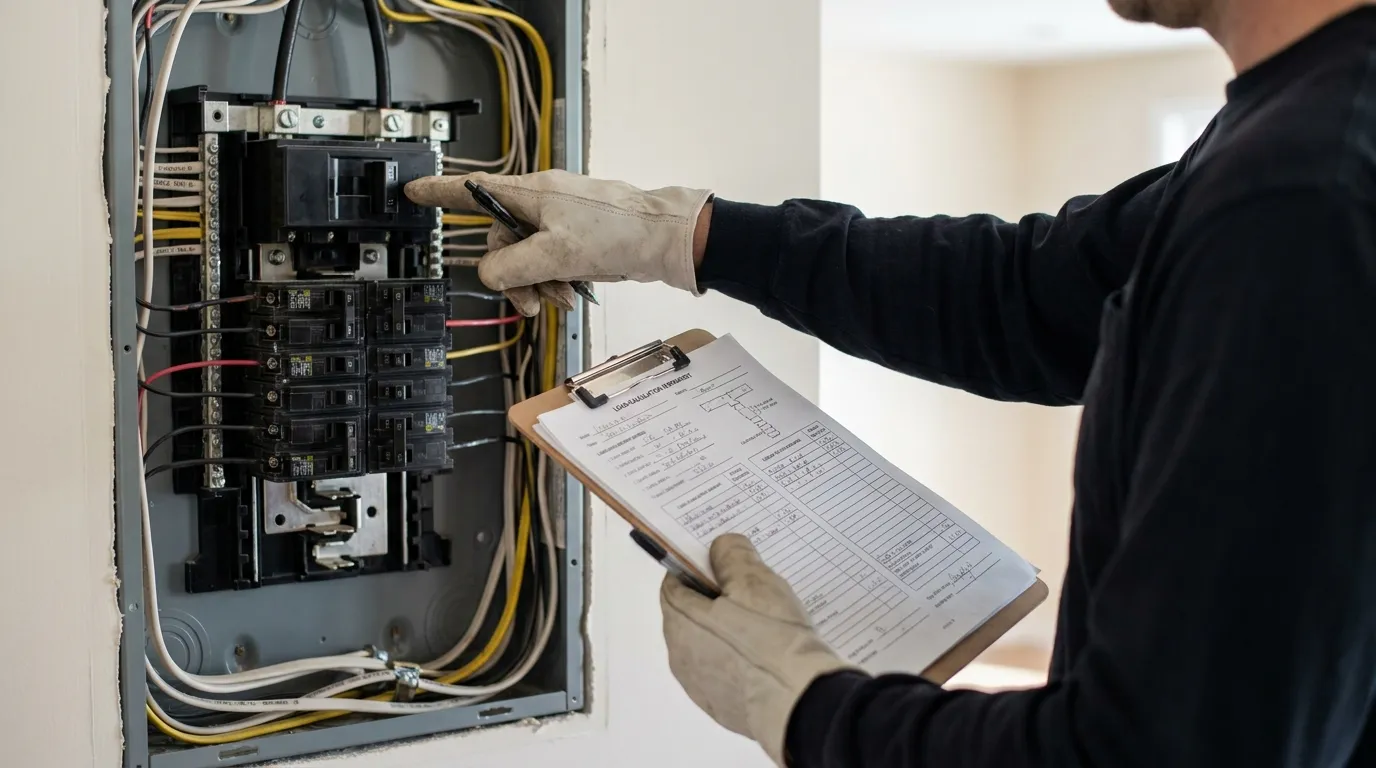
Panel & Capacity Review
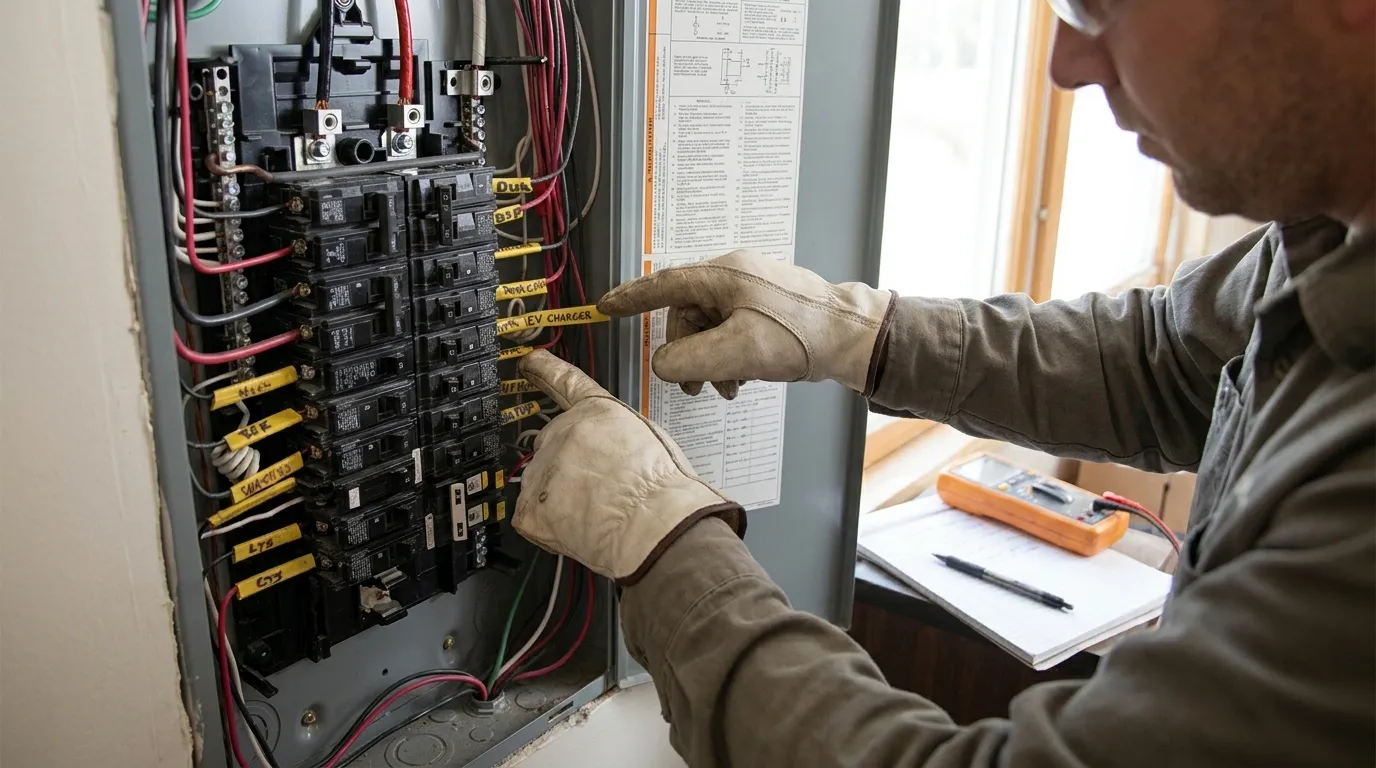
We assess your existing electrical service and available physical breaker space, performing a formal load calculation to confirm capacity for the new charging equipment.
Breaker Installation
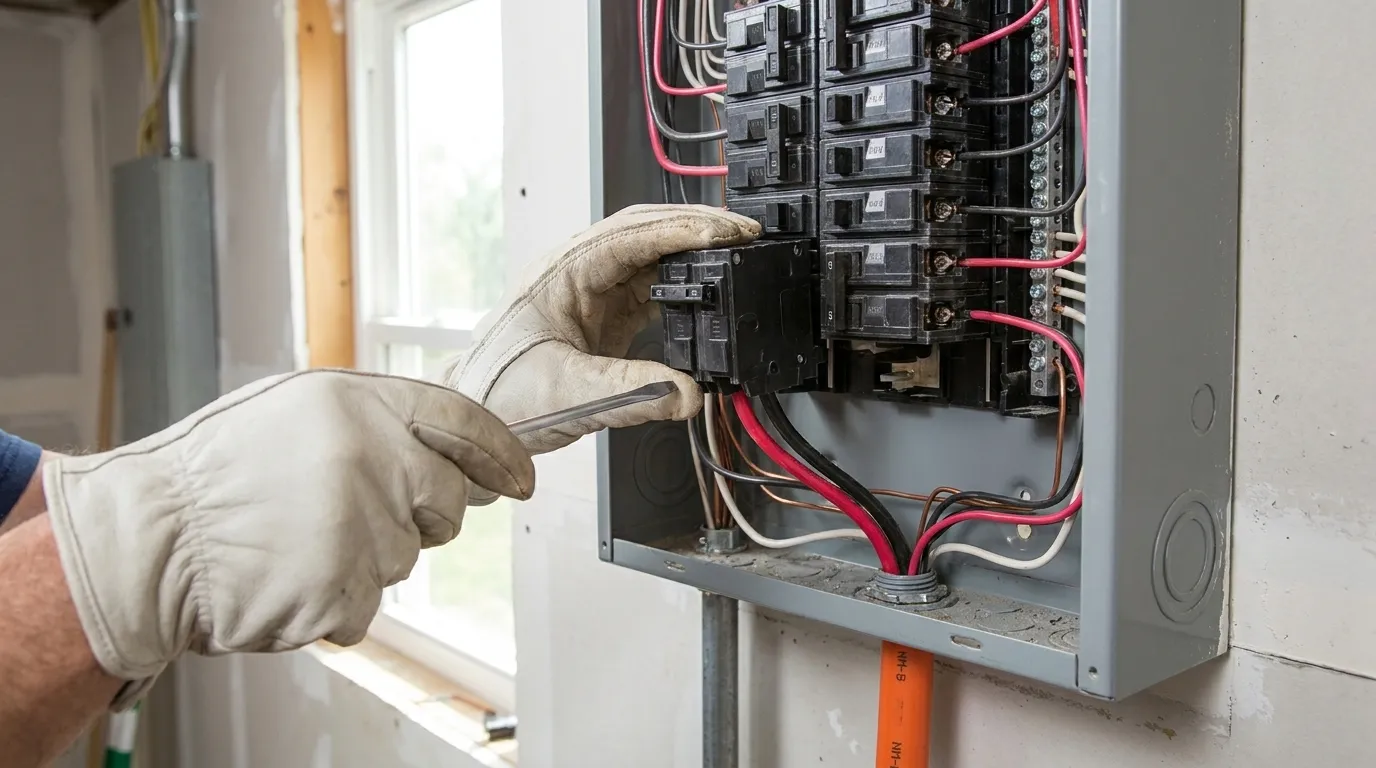
We handle the EV charger breaker installation, ensuring the new breaker is compatible with your panel and properly sized for the equipment's continuous load requirements.
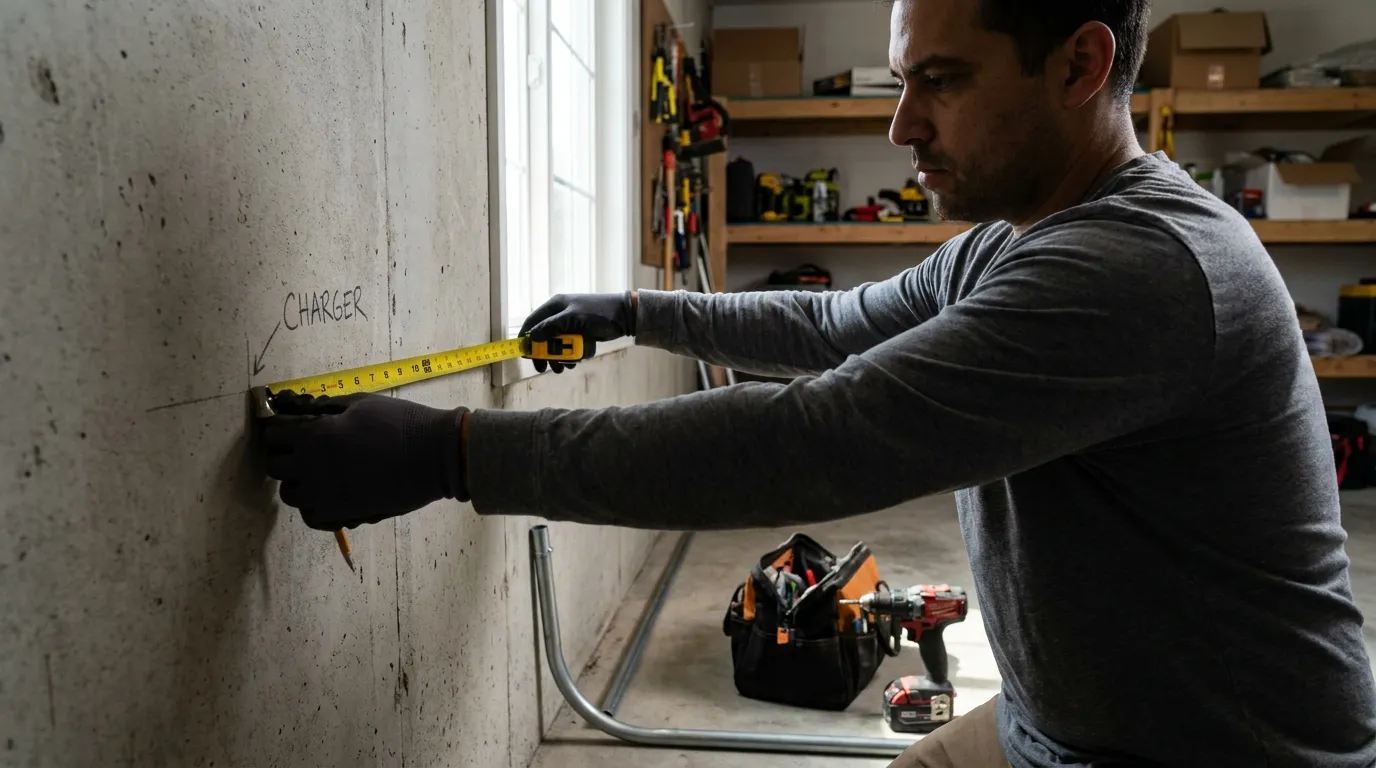
Conduit & Wiring Route
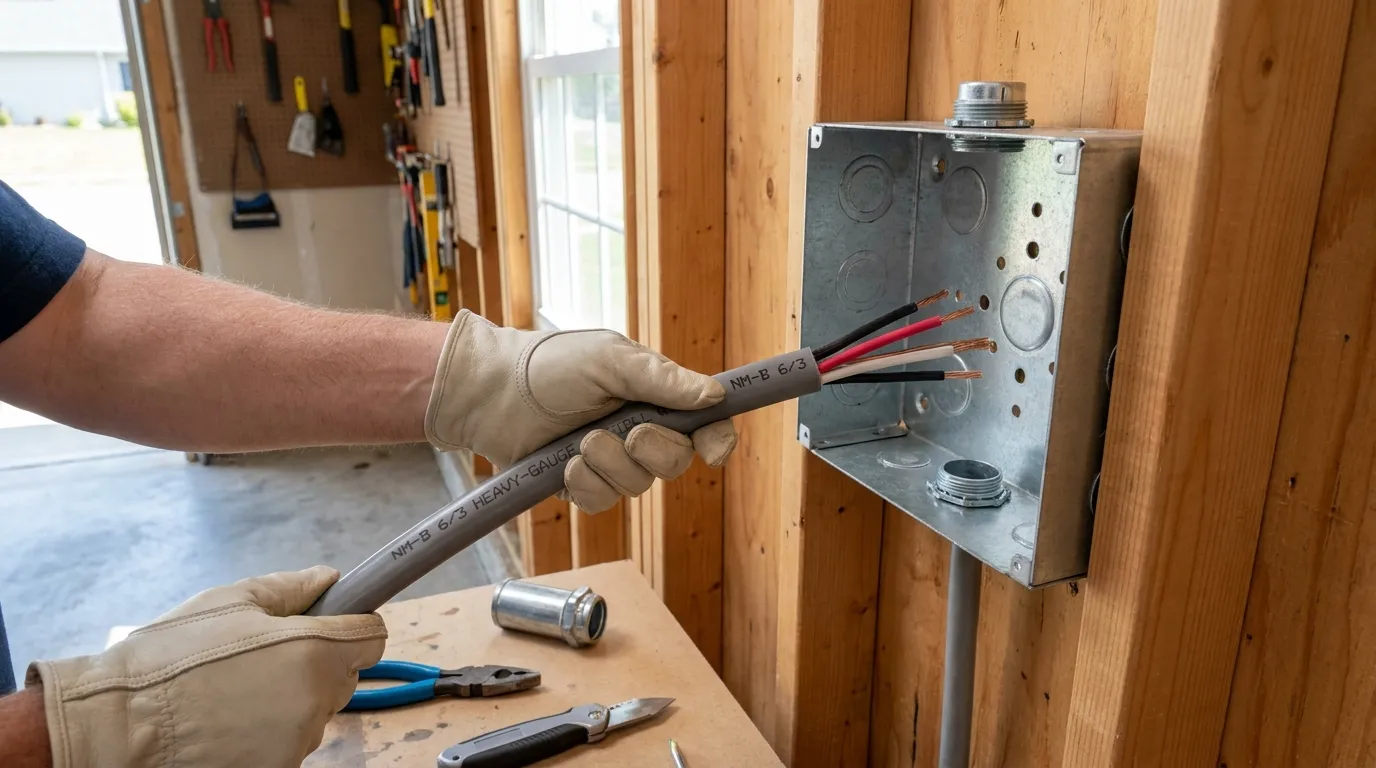
We run the appropriate wire gauge from your main panel to the garage or driveway location, routing through walls or using protective surface conduit where required.
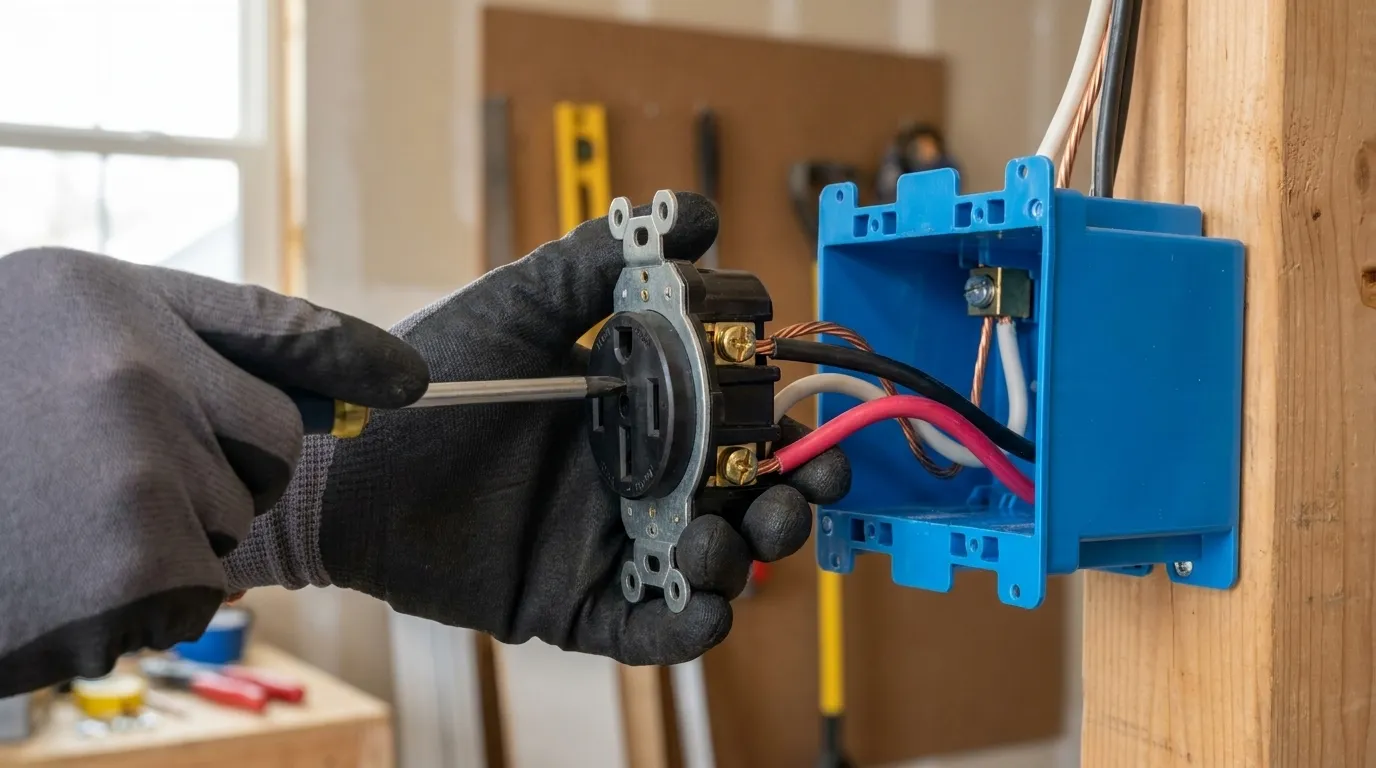
Final Supply Connection
We set up the final power supply, installing an approved 240V heavy-duty receptacle for plug-in units or preparing a secure hardwired whip for direct charger connections.
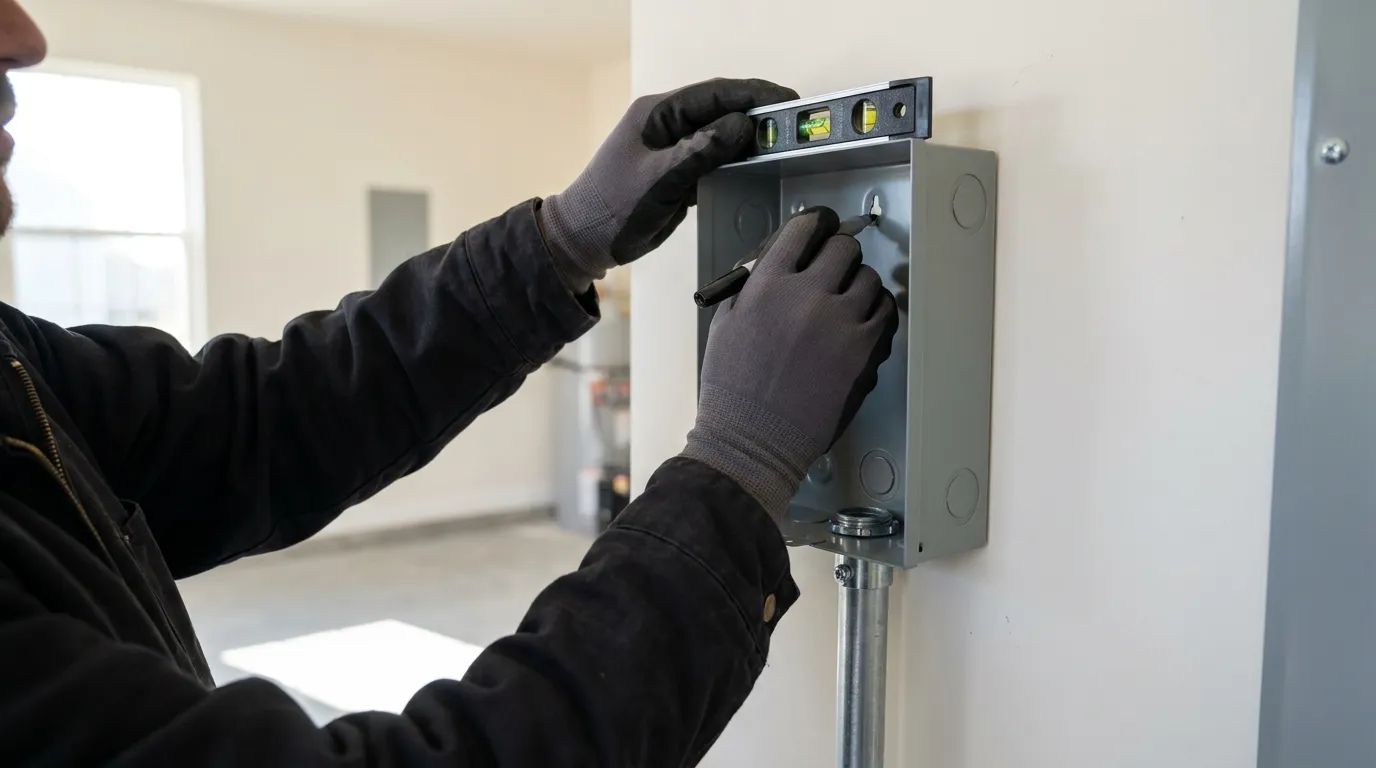
Safety & Disconnects
Depending on your connection type and location, we integrate GFCI breaker protection or a local safety disconnect switch as dictated by manufacturer and local requirements.
Plug-In vs Hardwired EV Charger Circuits
The circuit design changes depending on how the charging equipment connects to the power supply. Both methods require careful planning for continuous loads.
Plug-In Charger Circuit
Typical connection
240V receptacle
Matches the charger's specific plug type.
Safety requirements
GFCI protection often needed
Depending on location and current code.
Equipment removal
Simply unplug the unit
Easy to replace or take with you.
Hardwired Charger Circuit
Typical connection
Direct wiring to unit
No receptacle or plug required.
Safety requirements
Local disconnect may apply
Breaker usually provides protection.
Equipment removal
Requires electrical work
Electrician needed to safely disconnect.
Hardwired installations often allow for higher charging outputs compared to plug-in models.
Always consult your EV charger's manufacturer instructions before finalizing the circuit design.
How a Dedicated EV Charger Circuit Is Installed
We handle the technical infrastructure from the main panel to the charging location, ensuring your home is ready for your specific equipment.
- Send Equipment DetailsShare your selected charger model, desired installation location, and photos of your current electrical panel so we can begin the initial review.
- Review Panel and CapacityWe assess your existing electrical service, check for physical breaker space, and calculate the load capacity for the new continuous draw.
- Confirm Circuit and RouteWe determine the appropriate wire gauge, conduit path, and whether you need a 50 amp circuit for an EV charger or a different size.
- Install Breaker and WiringAn electrician installs the dedicated breaker, runs the wiring through the planned route, and sets up the hardwired supply or receptacle.
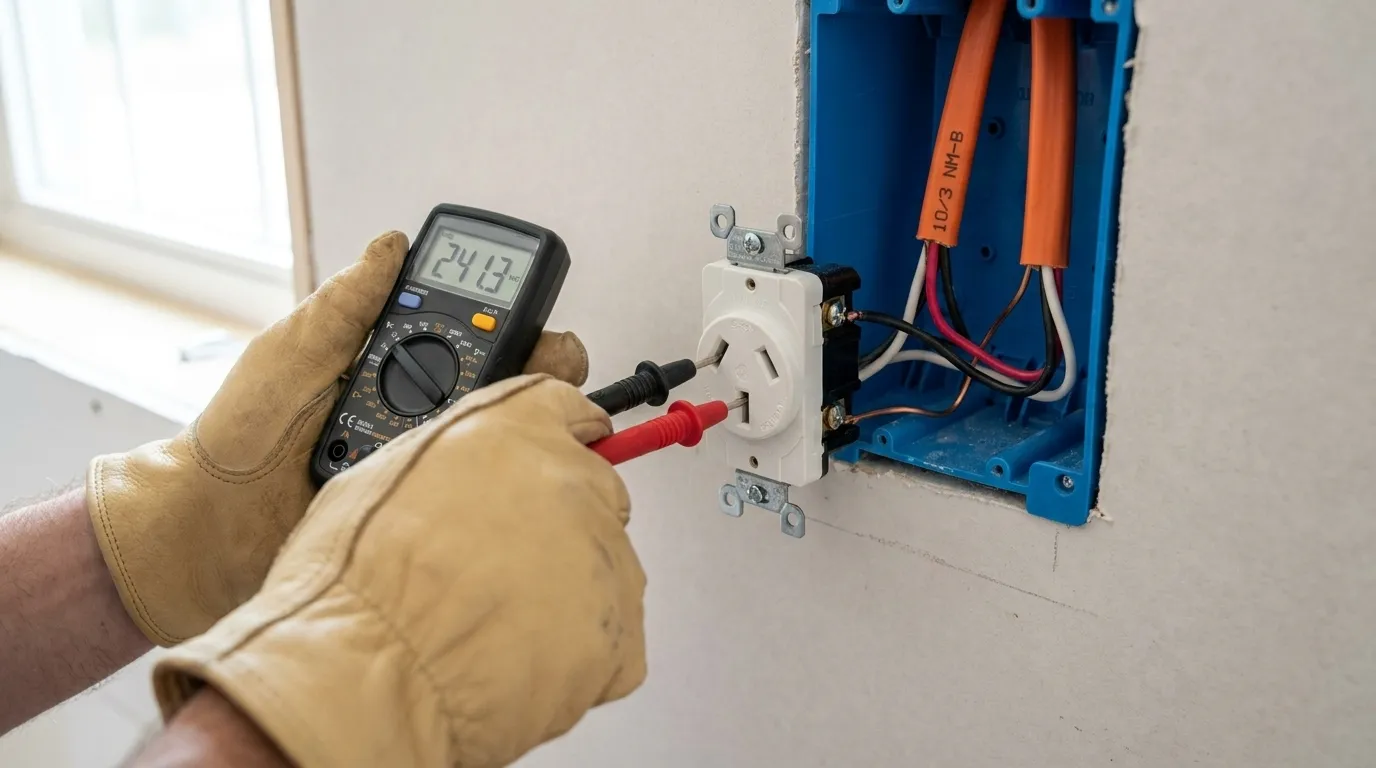
- Final Testing and LabelingWe test the new circuit for proper voltage, label the panel clearly, and coordinate any required permit inspections for your peace of mind.
Circuit Planning for Your Charging Setup
Select the situation that matches your current EV charging plans to see how we approach the electrical circuit installation.
I am buying a plug-in charger
A plug-in unit typically requires an approved 240V circuit for an EV charger, terminating in a specific heavy-duty receptacle in your garage or driveway.
I am buying a plug-in charger
A plug-in unit typically requires an approved 240V circuit for an EV charger, terminating in a specific heavy-duty receptacle in your garage or driveway.
Why Hire Octopel for Your EV Circuit
With 10+ years of experience and over 1,000+ residential repairs completed in occupied homes across Western Washington State, Octopel provides safe, code-compliant electrical infrastructure tailored to your specific vehicle and charger requirements.
Continuous Load Expertise
EV charging places a heavy, continuous demand on your home. We carefully calculate service capacity to ensure your panel safely supports this sustained electrical draw.
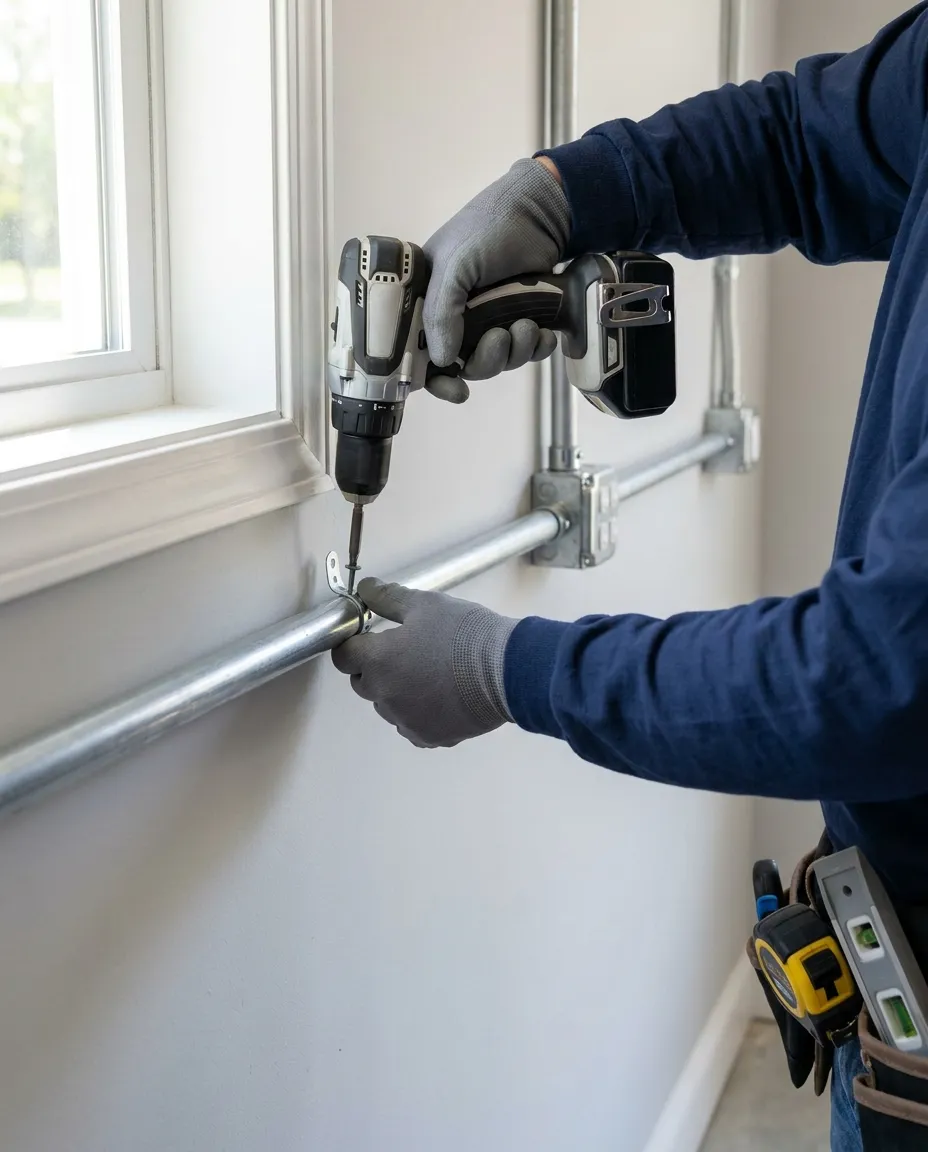
Neat and Secure Routing
Working in finished garages and driveways requires care. We route conduit neatly, minimizing disruption to finished walls while adhering to local safety requirements.
1,000+ Residential Repairs
Electrical troubleshooting and repairs completed in occupied homes.
Washington Electrical Contractor
Washington electrical contractor registration OCTOPEL770O1.
Verified Circuit Ratings
We rigorously verify that the installed breaker, wiring gauge, and connection method exactly match the manufacturer specifications for your chosen charging equipment.
What Affects the Scope of an EV Circuit?
Every home and charger combination is unique. The final project scope depends on your equipment, your existing panel, and the physical layout of your property.
Charger Output and Rating
Higher-output chargers require thicker wire gauges and larger breakers, which directly impacts the material requirements for the circuit installation.
Distance and Routing
Running conduit across a finished garage ceiling or trenching to a detached structure requires more labor and materials than a simple panel-adjacent setup.
Connection Method
Setting up a hardwired connection often involves different hardware and local safety disconnects compared to installing a standard heavy-duty plug receptacle.
Panel Capacity
If your current electrical service cannot safely support the added load, incorporating energy-management systems or upgrading the panel will adjust the project scope.
Customer Reviews
Verified feedback from residential dedicated circuit for ev charger customers across the region.
Kasey Oleary
Residential customer
Octopel reconnected our new hot tub and ensured the electrical installation met current code requirements. The team handled the inspection process professionally, addressed all inspection requirements, and theRead full review →
Andy Kuljis
Residential customer
I have used Demeatri or Octopel, four times over the last five years, two 200 amp new service boxes, some underground work, rewiring a barn, and has cleaned up unsafe wiring on my farm. Always making time for my needsRead full review →
Rishi Pathak
Residential remodel customer
These guys are professional. They are very good at navigating through surprises during the project. They have good recommendations for folks who need some help with what they want to achieve. Dima is my go-to person forRead full review →
Angelina Dorosh
Residential remodel customer
Octopel has completed multiple electrical projects for us, from regular electrical service and troubleshooting to larger remodeling work. We have used them for repairs around the house as well as electrical work duringRead full review →
Beth Knight
Residential customer
Dimitri was exceptional! He repaired the entire electrical fixture that was taken down by a tree, in awful weather, and never complained! Cold and pouring rain! I would definitely use this company again!Read full review →
Gio Hwang
Residential customer
Octopel installed a new power pole and 200-amp electrical service for my manufactured home. The Octopel team was professional, communicated clearly, and completed the work efficiently. Everything has been working well,Read full review →
Hrach Voskanian
Residential customer
Reliable, fast, and most important good job. Highly recommendRead full review →
Adam Patterson
Residential remodel customer
Mid-remodel we realized a lot of our old wiring needed to be redone. Octopel came in as our remodel electrician and worked around the rest of the construction crew without any scheduling issues.Read full review →
Request a Dedicated EV Charger Circuit
Submit your charger model, planned location, and panel photos. A manager responds within one hour during business hours to clarify your needs. On-site visits are scheduled based on your specific situation, location, and our team's availability.
EV Charger Circuits in Western Washington State
Octopel plans and installs dedicated EV charger circuits for homeowners throughout Western Washington State, ensuring safe and reliable residential charging.
Availability and possible visit timing depend on the property location, reported problem, and team schedule.
Not sure whether your home is within the service area?
Dedicated EV Charger Circuit FAQ
Common questions about preparing your home's electrical system for an electric vehicle charger.
Yes, an EV charger requires a dedicated circuit to safely handle the continuous electrical load. Sharing this circuit with other appliances can cause breakers to trip and creates significant safety hazards.
Installing a proper dedicated circuit for an EV charger ensures your vehicle charges safely overnight without overloading your home's wiring.
It typically includes assessing your panel capacity, installing a properly sized breaker, routing conduit and wiring to the charging location, and setting up the final connection point.
An ev charger circuit installation provides the essential electrical supply, which is entirely different from the physical mounting and internal setup of the charging unit itself.
No. The breaker size depends entirely on the charger's rated output and the manufacturer's specific instructions.
While a 50 amp circuit for an EV charger is common for standard Level 2 charging, some units require 40, 60, or even 80 amps, while smaller plug-in models may run on less. We custom design the circuit to match your specific equipment.
A 240V circuit for an EV charger is a high-voltage electrical line that provides the power necessary for Level 2 charging speeds.
Unlike standard 120V household outlets, this dedicated circuit uses a double-pole breaker in your electrical panel to deliver significantly more power, allowing your vehicle's battery to replenish much faster.
Yes, the connection and equipment requirements differ significantly between the two methods.
A plug-in circuit ends in a heavy-duty receptacle (like a NEMA 14-50) and often requires GFCI protection at the breaker. A hardwired circuit connects the wiring directly into the charger's internal terminals, which can sometimes allow for higher charging outputs and avoids receptacle-related issues.
It depends entirely on your current electrical service and existing continuous loads.
Adding a new EV charger breaker requires a formal load calculation to verify that your panel has sufficient capacity. If the panel is full or near its limit, we can explore advanced load-management options or discuss a service upgrade if justified.
Not automatically. Many homes have enough existing capacity to support a new charging circuit without a full upgrade.
If a standard EV charger breaker installation would exceed your current service limits, we can often install smart energy-management devices that pause charging when other major appliances are running, effectively avoiding the need for an expensive panel replacement.
It is possible, but we highly recommend knowing your final charger specifications before finalizing the circuit design.
Different chargers have varying hardwire locations, output capabilities, and manufacturer requirements. Knowing the exact model ensures the wiring gauge, breaker size, and connection method will match the equipment perfectly once it arrives.