
Dedicated Circuits for Heat Pumps
Heat pump breaker size and electrical requirements must be based on the exact equipment nameplate and installation instructions. The final scope depends on whether outdoor units, indoor air handlers, or auxiliary heat strips need separate wiring.
- Your heat pump equipment has already been selected.
- Your HVAC contractor needs the electrical work completed.
- An outdoor disconnect and new electrical circuit are required.
- Your air handler or auxiliary heat strips require additional power.
- You are replacing gas equipment and adding a major electrical load.
- You need to verify if your existing panel has enough capacity.
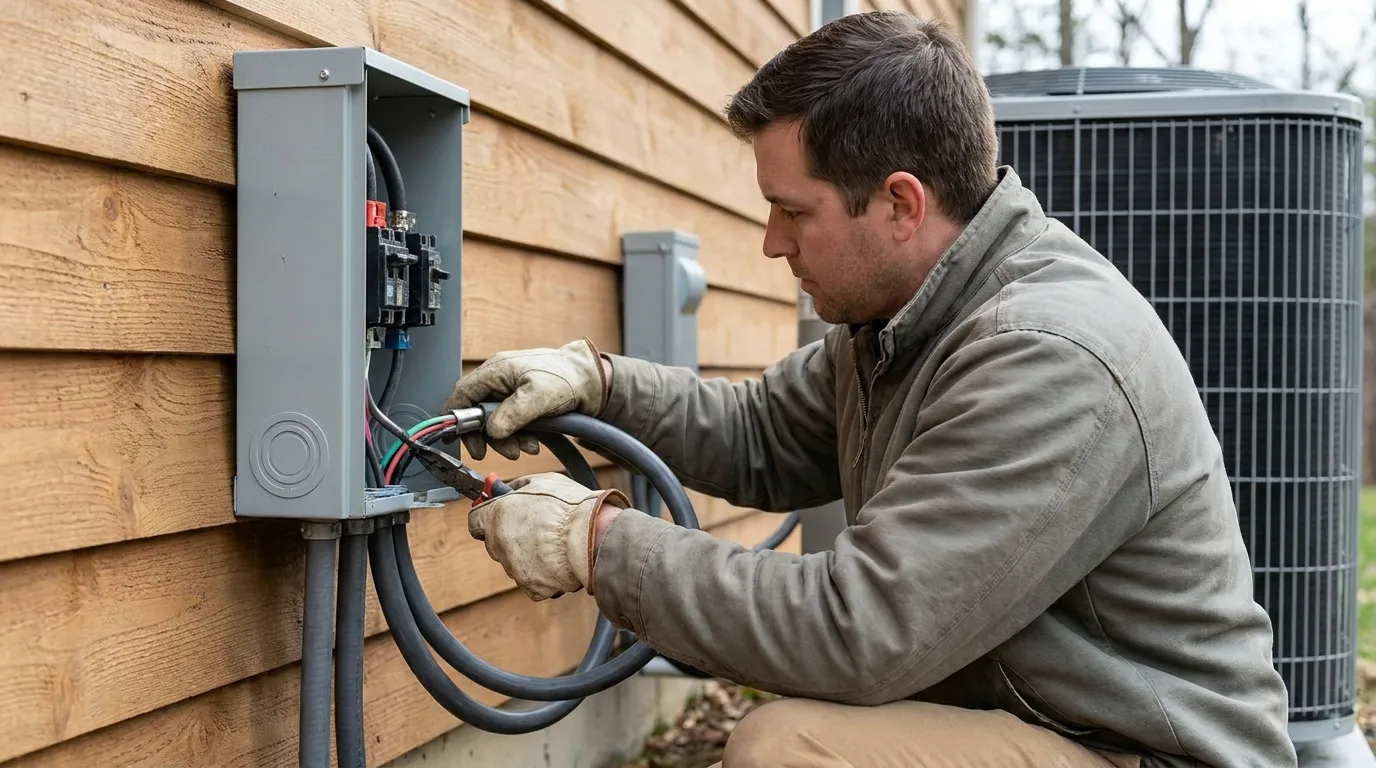
What the Electrical Scope May Include
Planning for heat pump electrical requirements means coordinating the power needs for every component. Depending on your system and HVAC contractor scope, this work may involve several specific installations.
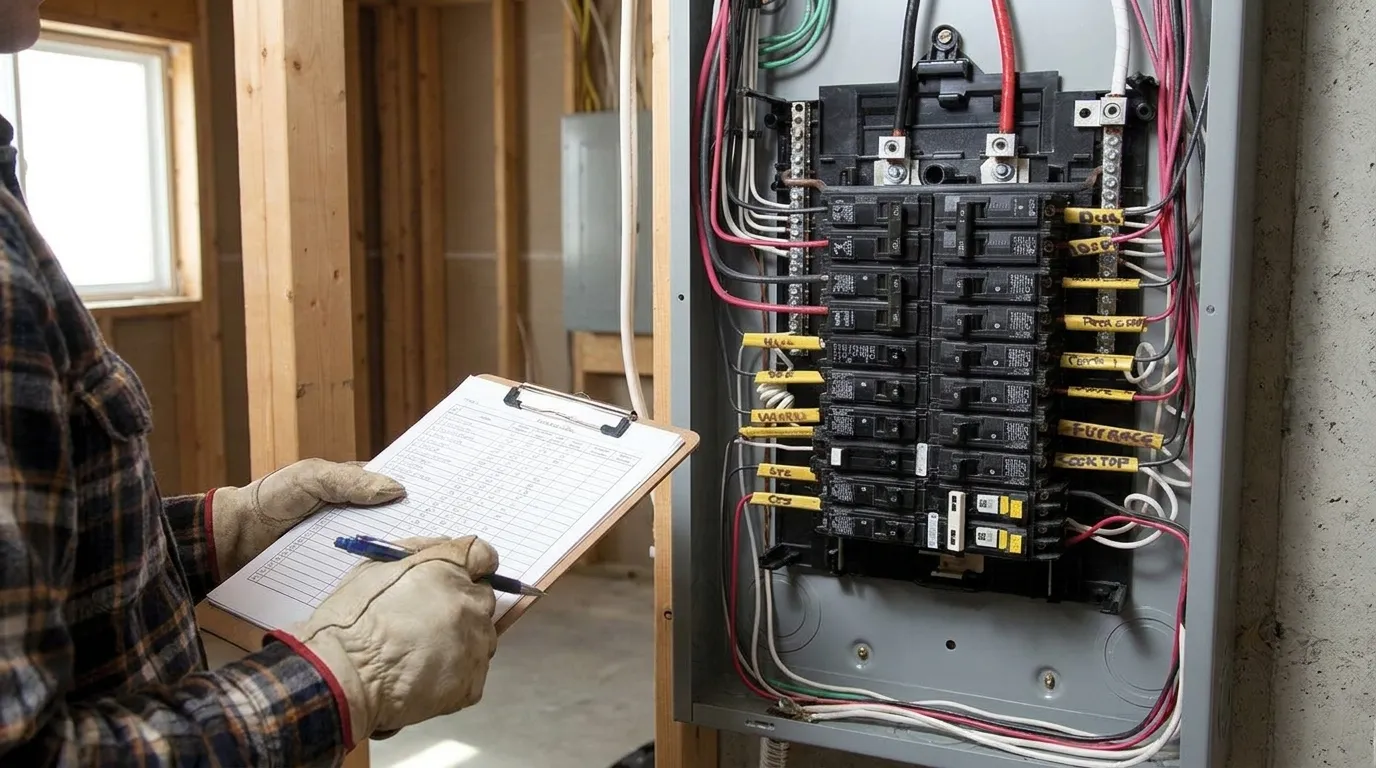
Panel Capacity Review
Assessing your existing electrical panel’s available physical space and overall service capacity to safely support the new heat pump without overloading.
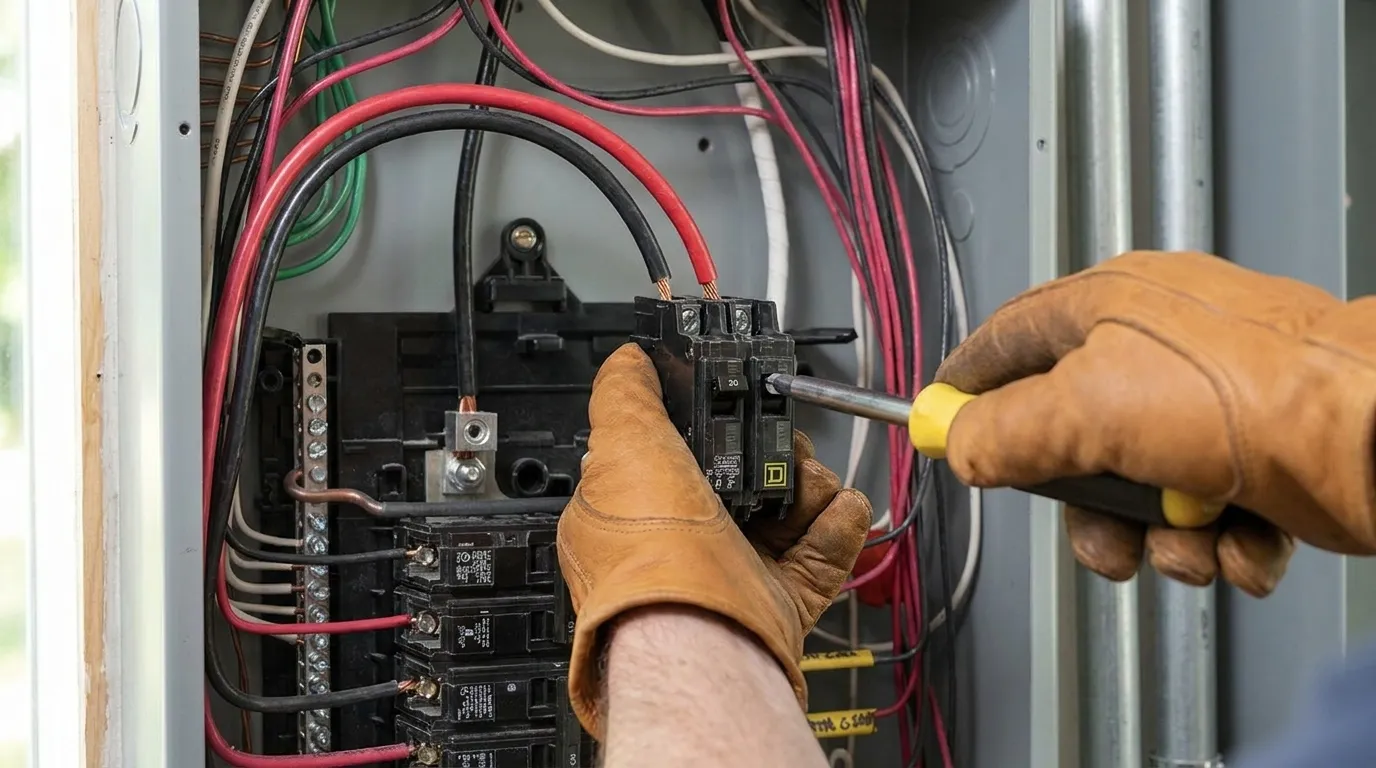
Breakers and Circuits
Installing the exact breakers and specialized wire sizes based strictly on the manufacturer's minimum circuit ampacity and maximum overcurrent protection.
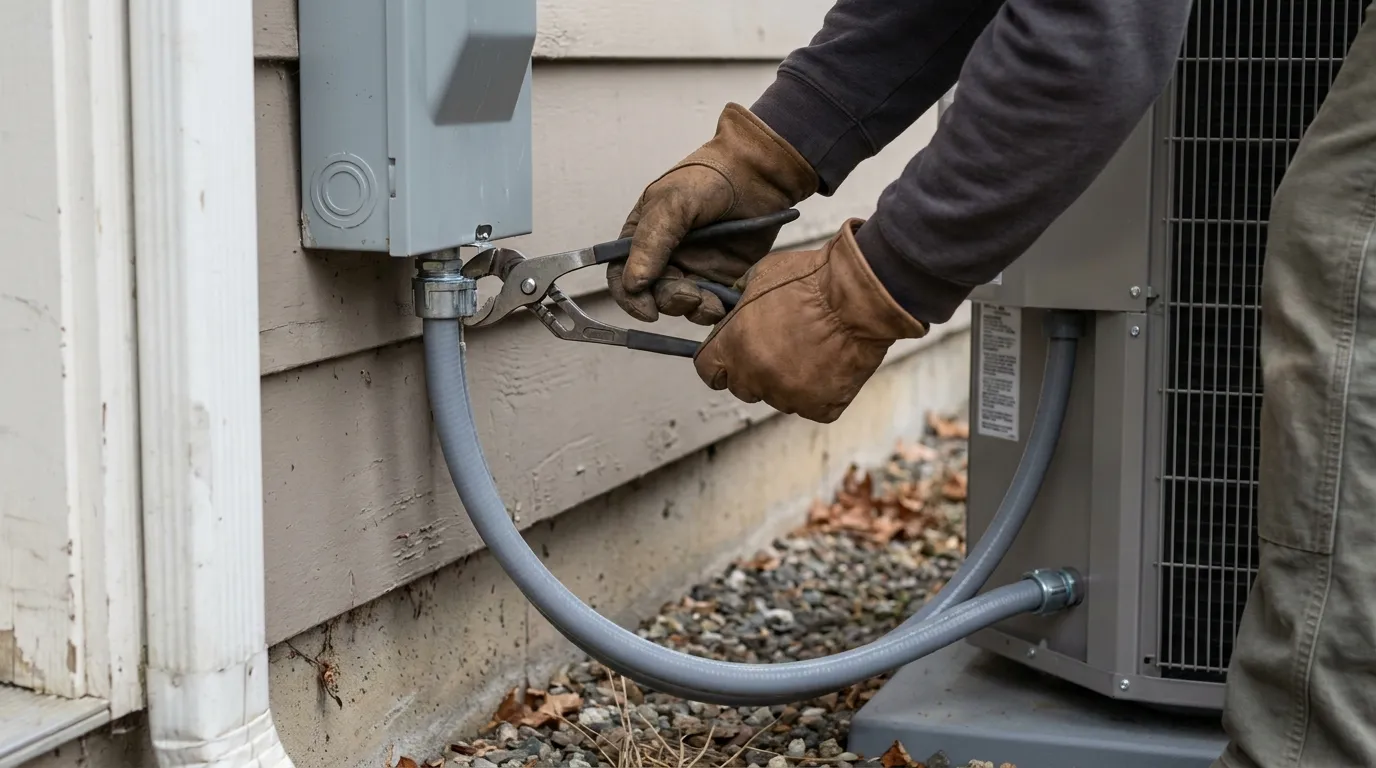
Outdoor Disconnect
Mounting and safely wiring the required exterior disconnect box for the outdoor compressor unit, ensuring it is readily accessible for future HVAC servicing.
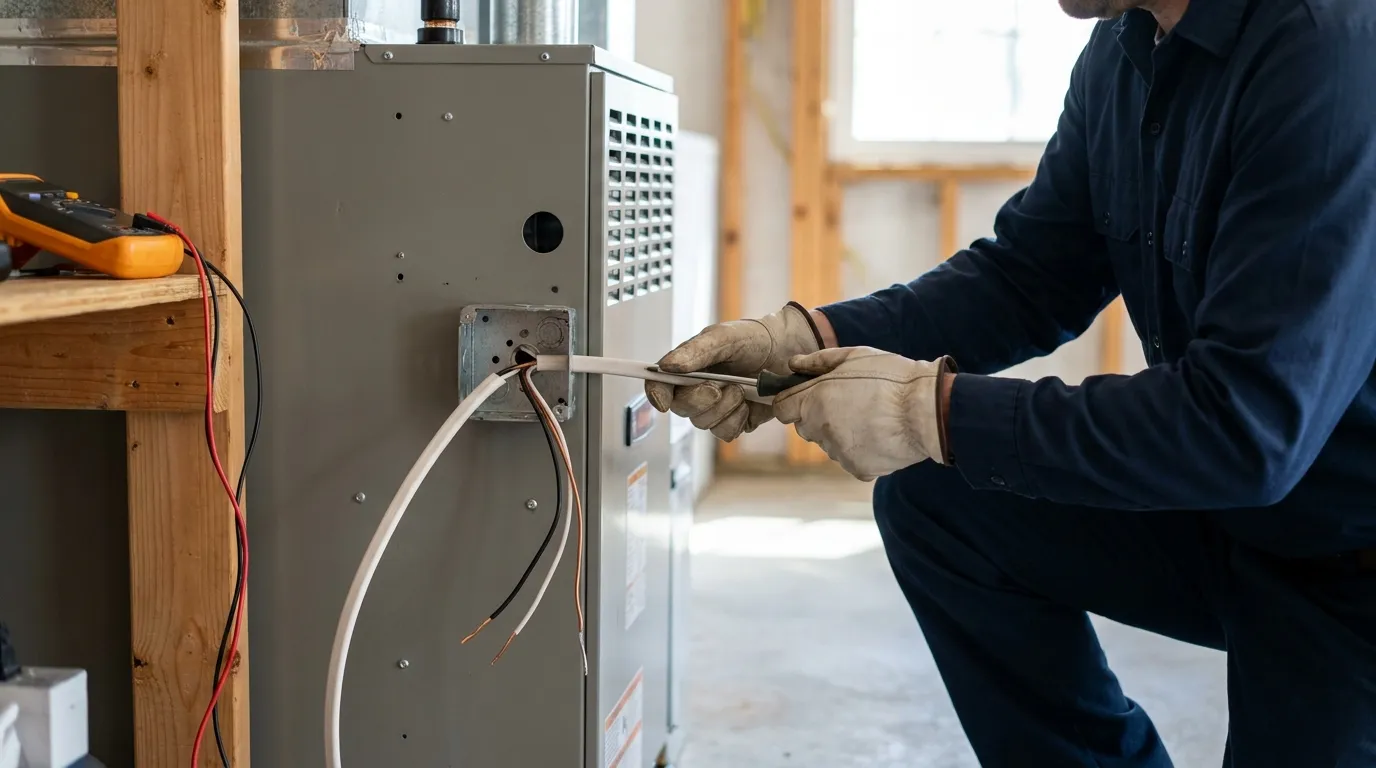
Indoor Equipment Wiring
Supplying the correct voltage and amperage to indoor air handlers, condensate pumps, or system controls where required by the overall HVAC system design.
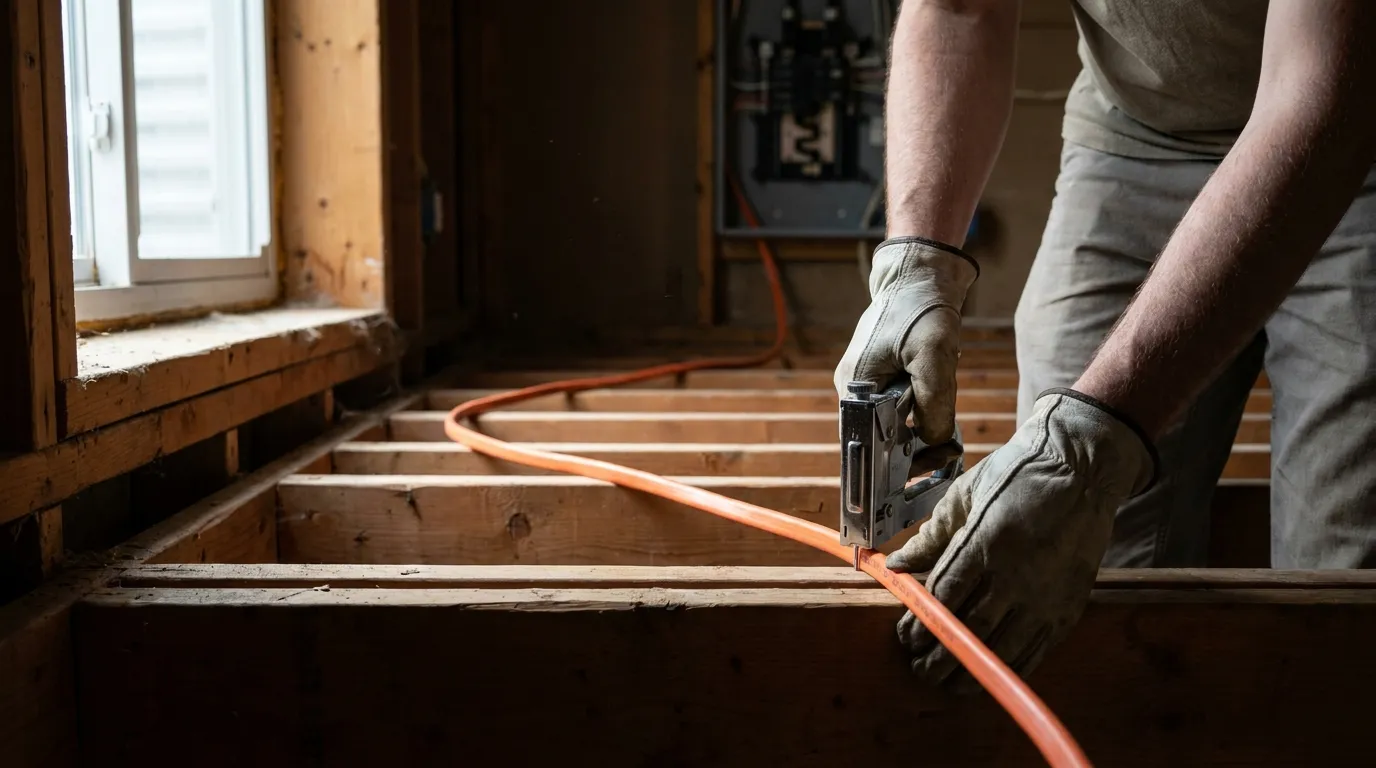
Auxiliary Heat Circuits
Adding a separate, high-amperage dedicated circuit for backup electric heat strips, which often draw significantly more continuous power than the compressor.
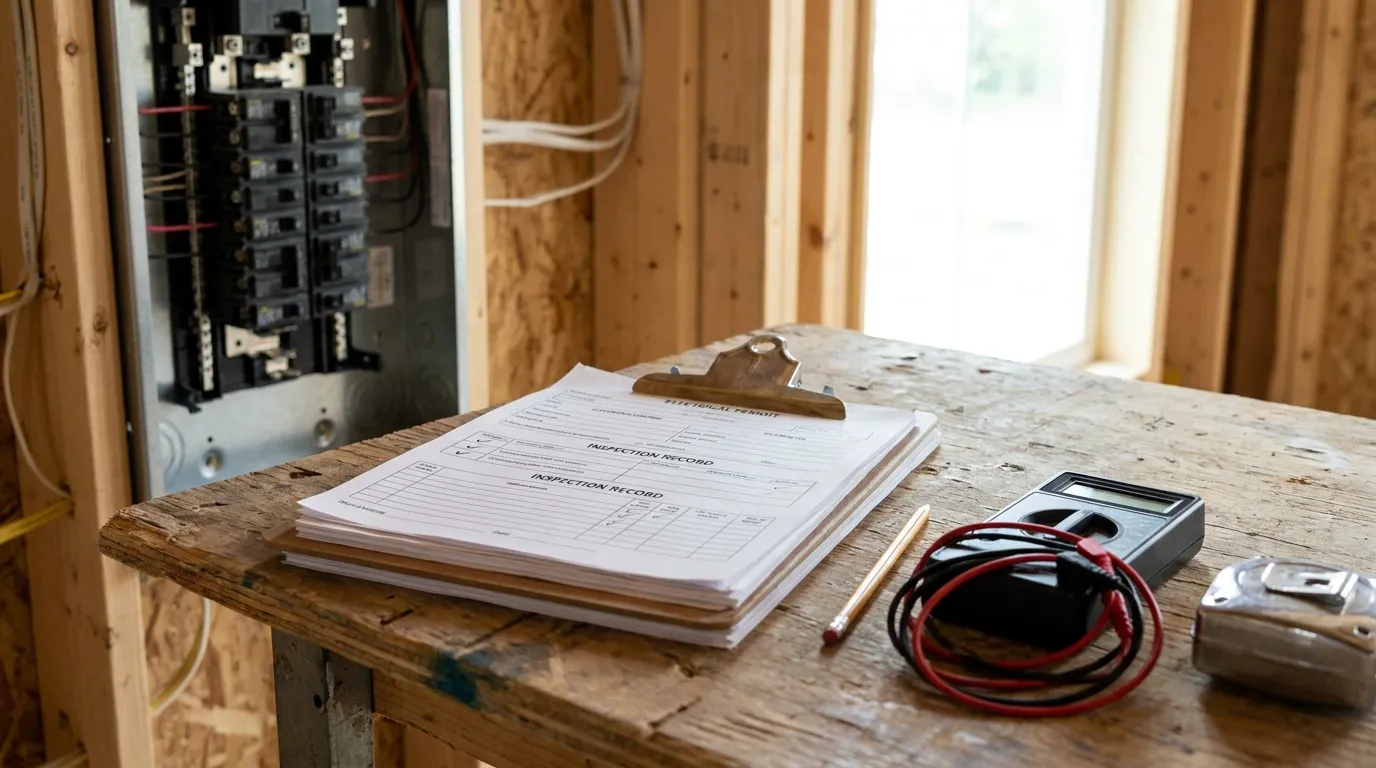
Inspections and Verification
Testing the final electrical supply, verifying all safe connections, and carefully coordinating the required permit and local jurisdiction inspection sign-offs.
Do Mini-Splits and Ducted Heat Pumps Have the Same Requirements?
No. Mini-split and ducted systems differ in the number of powered components, required voltage, indoor equipment arrangements, and overall household electrical load.
Mini-Split Systems
Typical system components
Outdoor unit & indoor heads
Primary electrical source
Often just the outdoor unit
Auxiliary heating needs
Rarely requires heat strips
Ducted Heat Pumps
Typical system components
Outdoor unit & air handler
Primary electrical source
Separate indoor/outdoor feeds
Auxiliary heating needs
Often includes electric strips
Both system types require an individual circuit connected back to your main electrical panel.
Actual circuit counts and breaker sizes depend entirely on the specific manufacturer data.
How Heat Pump Electrical Circuit Installation Works
We coordinate directly with you and your HVAC contractor to ensure the final electrical supply perfectly matches the manufacturer's technical specifications.
- Receive the SpecificationsWe review the specific heat pump models, manufacturer nameplates, and requested electrical configurations provided by you or your HVAC team.
- Review All Electrical LoadsWe evaluate the combined electrical requirements for the outdoor unit, indoor air handler, and any backup auxiliary heating strips.
- Assess Panel CapacityWe verify whether your current electrical service and main panel have sufficient space and capacity to support the new heating system.
- Install Circuits and DisconnectsOur team routes the appropriate wiring and installs the required dedicated circuits, breakers, and exterior disconnects.
- Test and CoordinateWe test the electrical supply so your HVAC contractor can safely proceed with refrigerant lines, ductwork, and final system startup.
Choose the Situation That Fits Your Project
Tell us where you are in the electrification process so we can review the right electrical details for your specific home setup.
My HVAC contractor requested electrical work
Your HVAC team has selected the heat pump equipment and provided the electrical specifications required before they can finish the installation.
My HVAC contractor requested electrical work
Your HVAC team has selected the heat pump equipment and provided the electrical specifications required before they can finish the installation.
Why Hire Octopel for Heat Pump Electrical Work?
With over 1,000 residential repairs and installations across Western Washington State, we know how to safely handle electrification upgrades in occupied homes. We manage the precise electrical requirements so your HVAC team can focus entirely on system performance.
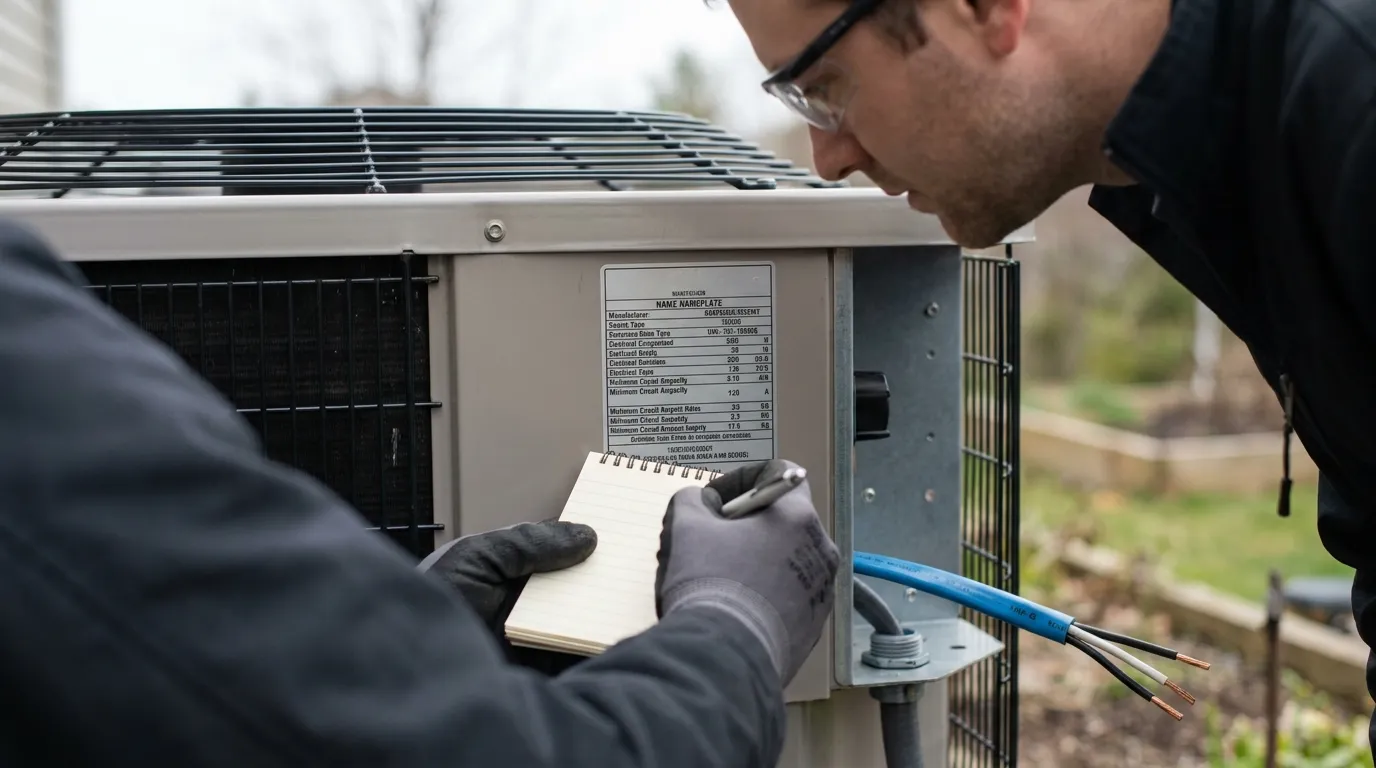
Equipment Data Review
We design circuits based strictly on the manufacturer nameplate, minimum circuit ampacity, and maximum overcurrent protection.
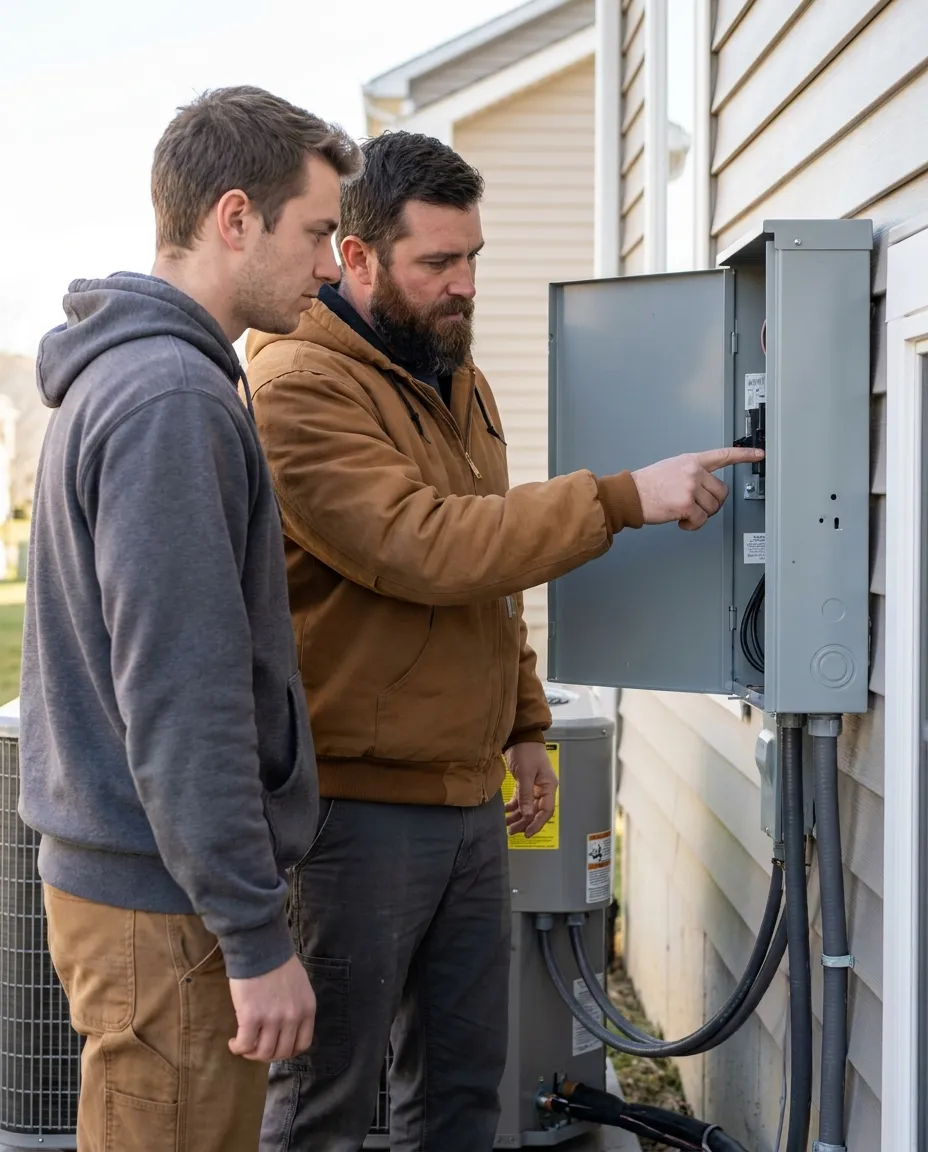
Contractor Coordination
We work alongside your HVAC contractor, ensuring the electrical supply is completely ready for their refrigerant and commissioning work.
1,000+ Residential Repairs
Electrical troubleshooting and repairs completed in occupied homes.
Washington Electrical Contractor
Washington electrical contractor registration OCTOPEL770O1.
Total Load Assessment
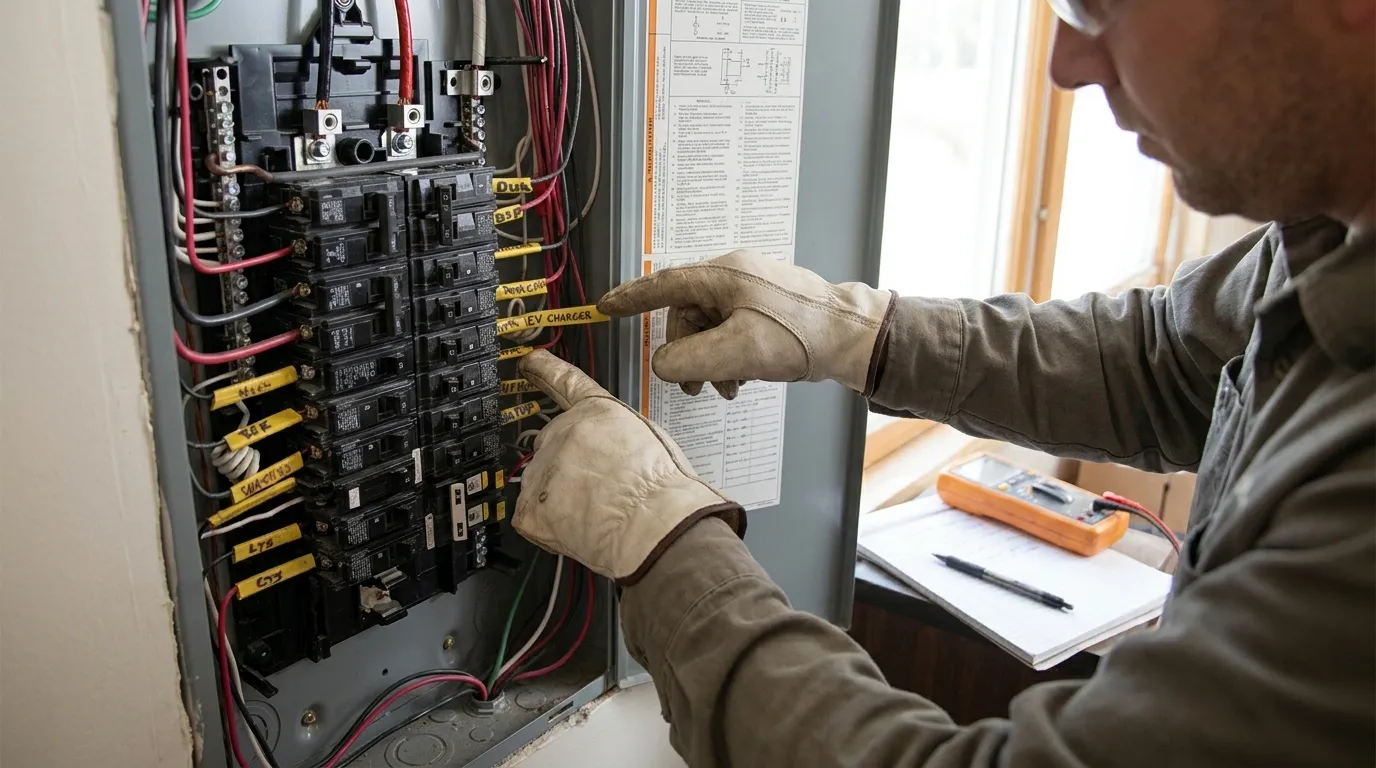
We evaluate your existing panel capacity to verify it can safely support the outdoor unit, indoor air handler, and backup heat.
What Affects the Cost of Heat Pump Electrical Work?
The total electrical scope depends heavily on the specific HVAC equipment you select and your home's existing electrical infrastructure.
Number of Powered Components
Whether the indoor air handler, outdoor compressor, and auxiliary heat need entirely separate wiring runs from the main panel.
Equipment Electrical Load
The specific voltage and amperage dictated by the manufacturer nameplate and equipment specifications.
Distance and Routing
The length and complexity of the cable run from your main electrical panel to the indoor equipment and exterior disconnect.
Existing Panel Capacity
Whether your current electrical service can support the new heating system or if a capacity upgrade is required.
Customer Reviews
Verified feedback from residential dedicated circuits for heat pumps customers across the region.
Kasey Oleary
Residential customer
Octopel reconnected our new hot tub and ensured the electrical installation met current code requirements. The team handled the inspection process professionally, addressed all inspection requirements, and theRead full review →
Andy Kuljis
Residential customer
I have used Demeatri or Octopel, four times over the last five years, two 200 amp new service boxes, some underground work, rewiring a barn, and has cleaned up unsafe wiring on my farm. Always making time for my needsRead full review →
Rishi Pathak
Residential remodel customer
These guys are professional. They are very good at navigating through surprises during the project. They have good recommendations for folks who need some help with what they want to achieve. Dima is my go-to person forRead full review →
Angelina Dorosh
Residential remodel customer
Octopel has completed multiple electrical projects for us, from regular electrical service and troubleshooting to larger remodeling work. We have used them for repairs around the house as well as electrical work duringRead full review →
Beth Knight
Residential customer
Dimitri was exceptional! He repaired the entire electrical fixture that was taken down by a tree, in awful weather, and never complained! Cold and pouring rain! I would definitely use this company again!Read full review →
Gio Hwang
Residential customer
Octopel installed a new power pole and 200-amp electrical service for my manufactured home. The Octopel team was professional, communicated clearly, and completed the work efficiently. Everything has been working well,Read full review →
Hrach Voskanian
Residential customer
Reliable, fast, and most important good job. Highly recommendRead full review →
Adam Patterson
Residential remodel customer
Mid-remodel we realized a lot of our old wiring needed to be redone. Octopel came in as our remodel electrician and worked around the rest of the construction crew without any scheduling issues.Read full review →
Send Your Heat Pump Specifications
Provide your equipment models, HVAC proposal, or nameplate photos. A manager responds within one hour during business hours to clarify the details. On-site visits are scheduled based on the situation, location, and team availability.
Heat Pump Electrical Installation in Western Washington State
We provide professional heat pump electrical wiring and dedicated circuit installation for residential HVAC equipment across Western Washington State.
Availability and possible visit timing depend on the property location, reported problem, and team schedule.
Not sure whether your home is within the service area?
Heat Pump Electrical Requirements FAQ
Clear answers about dedicated circuits, breaker sizes, and power requirements for residential heat pump systems.
The exact heat pump breaker size comes directly from the manufacturer’s data. There is no universal answer, as the breaker must match the system's maximum overcurrent protection rating found on the specific equipment nameplate.
A specific voltage, minimum circuit ampacity, and a designated maximum breaker size dictate the circuit design. These specifications often apply separately to the outdoor compressor unit and the indoor air handler.
Yes, a dedicated circuit for a heat pump is generally required. Because heating and cooling equipment draws significant and continuous power, it must be on its own individual breaker to operate safely and meet manufacturer specifications.
Sometimes. While the outdoor unit usually needs a dedicated feed, the indoor air handler, auxiliary heat strips, and condensate pumps may also have separate electrical requirements requiring additional, distinct circuits.
No. While most outdoor compressors and electric heat strips require 240V heat pump electrical wiring, some indoor air handlers, smaller mini-splits, or low-voltage control circuits operate on 120V. It depends heavily on the specific equipment.
MCA stands for Minimum Circuit Ampacity, which determines the safe wire size required for the circuit. Maximum overcurrent protection dictates the largest breaker size allowed to safely protect the equipment. Both values are printed on the unit's nameplate.
It depends on the equipment design and manufacturer specifications. Often, backup electric heat strips draw a massive amount of power and require their own dedicated high-amperage circuit completely separate from the main outdoor compressor.
Not necessarily. Service size alone is insufficient to guarantee compatibility. We must perform a load calculation to see if the available capacity can handle the new heat pump along with your home's other electrical loads.
No. An electrician handles the electrical scope, such as the panel breaker, wiring, and outdoor disconnect. Your HVAC contractor selects the actual equipment, installs the refrigerant lines, routes the ductwork, and performs the final system startup.