
Battery Backup Installation
A reliable home battery backup supplies stored energy to your most critical circuits when the grid goes down. This service focuses on permanent battery integration and load planning, rather than portable power stations or simple UPS devices.
- You need stored energy to keep essential appliances running during a neighborhood outage.
- You are preparing for weather-related grid disruptions and want a seamless transition.
- You want to power specific critical circuits without relying on a gas-powered generator.
- You are integrating a new home battery backup system with your existing electrical panel.
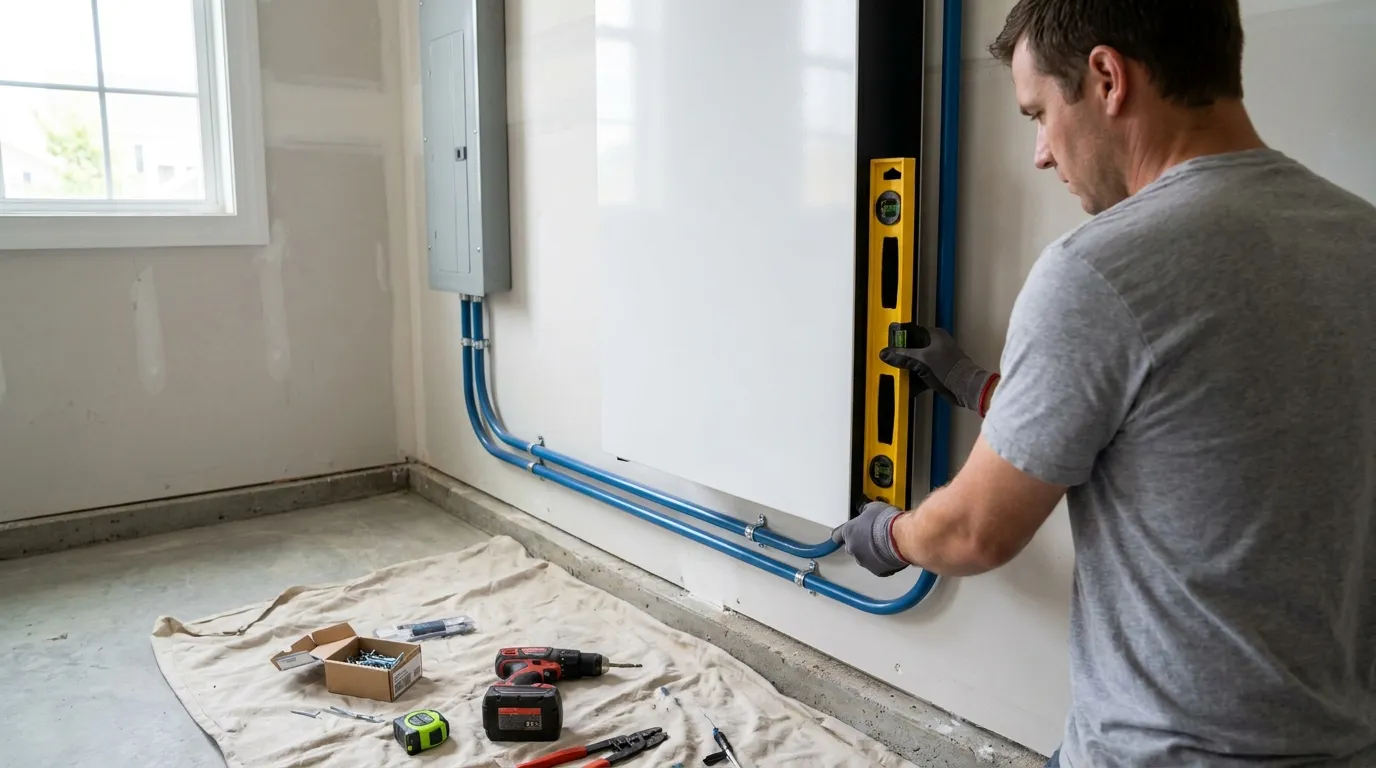
What Battery Backup Installation Includes
Installing a home battery backup system requires careful load planning and precise electrical integration. We assess your goals, evaluate your existing panel, and wire the equipment safely to ensure your essential circuits remain powered.
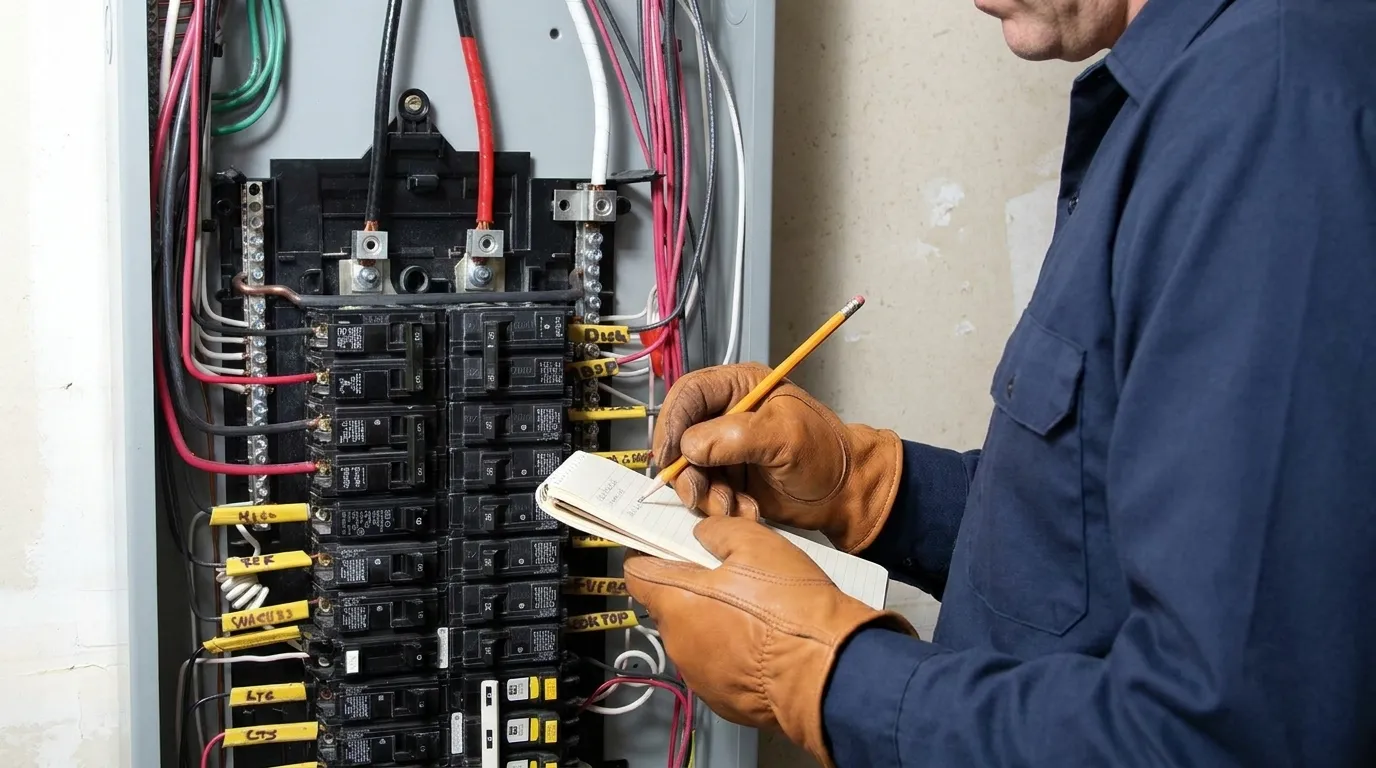
Load Planning & Assessment
Reviewing your outage goals and identifying which essential circuits require connection to the battery unit, ensuring the planned loads align with the available energy capacity.
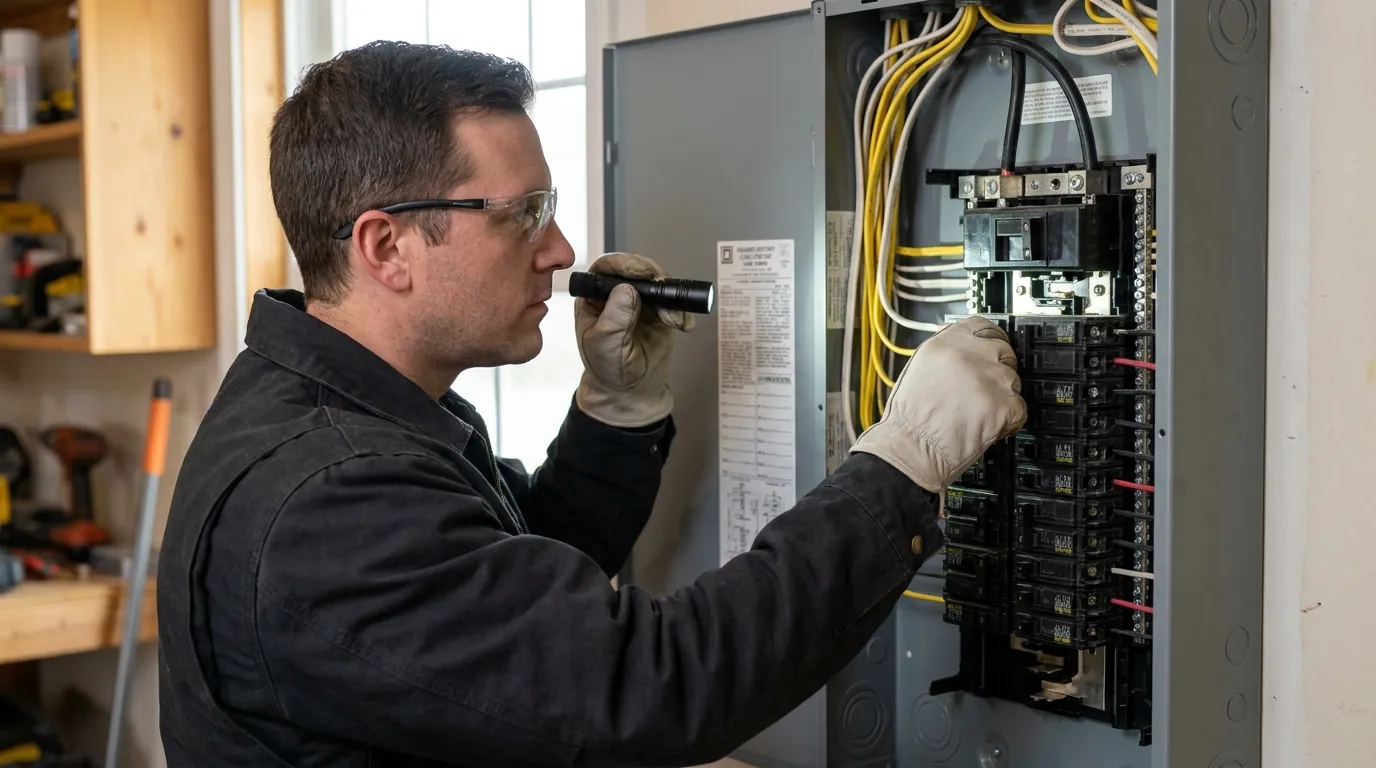
Panel Compatibility Review
Evaluating your existing electrical panel to confirm it can safely support the chosen battery equipment and the specific demands of your planned backup loads.
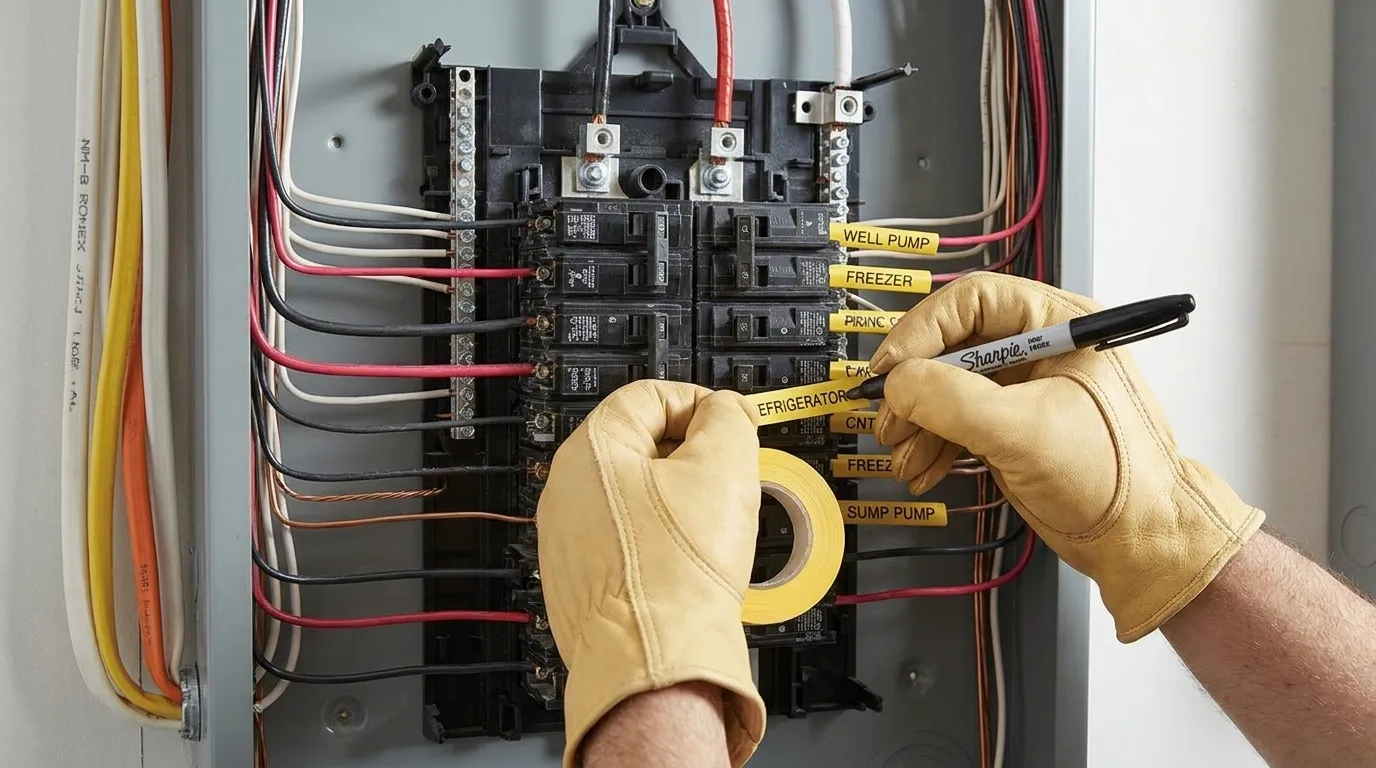
Critical-Load Panel Setup
Routing essential circuits into a dedicated subpanel where required, ensuring only the most crucial household systems draw from the stored energy during an outage.
System Connection & Testing
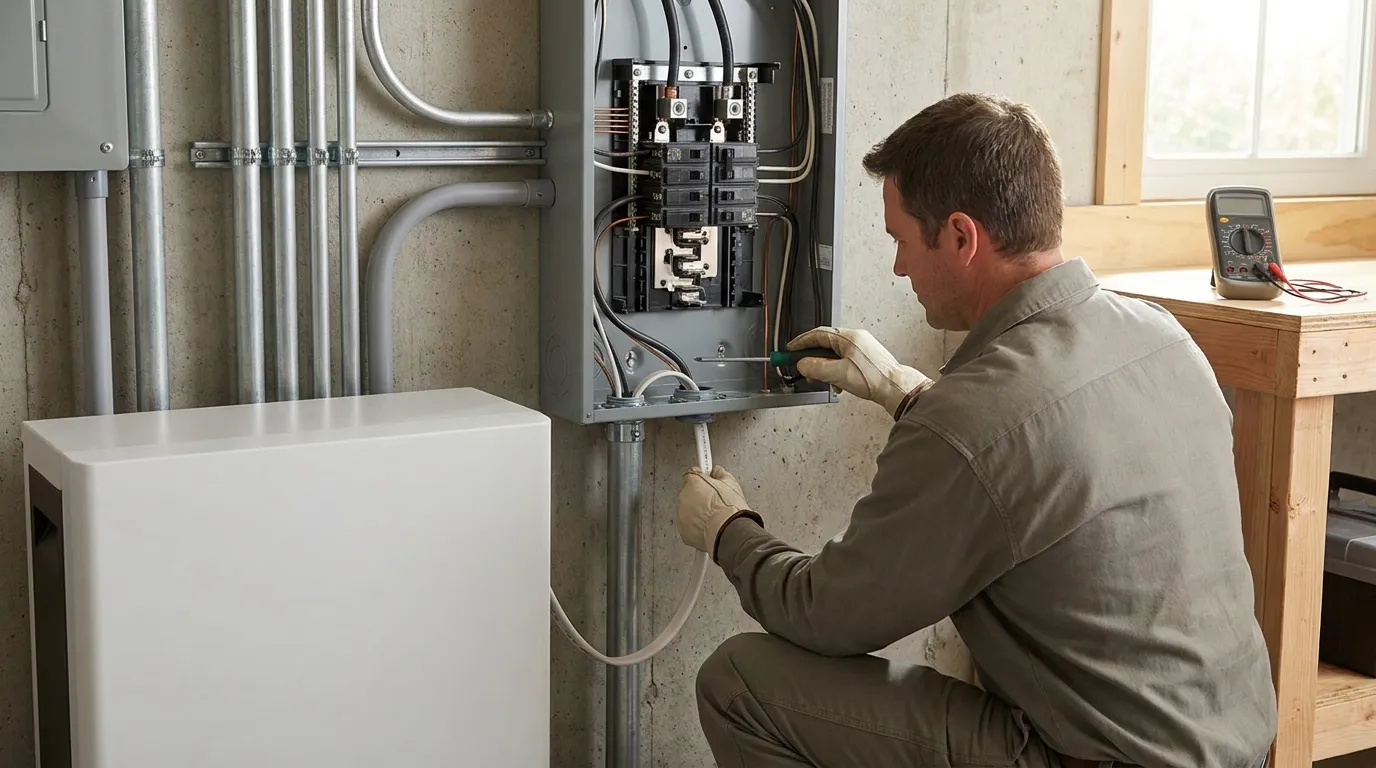
Wiring the battery unit, connecting the inverter, and running controlled tests to verify a seamless transition between grid power and backup operation.
Comparing Essential vs Whole-House Integration
A house battery backup can be configured to support a few critical circuits or a broader set of loads. The right choice depends on your outage goals, budget, and the system's power capacity.
Essential Loads Backup
Typical scope
Critical circuits only
Main design question
Which loads are crucial?
Required capacity
Lower energy storage needed
Broader Home Backup
Typical scope
Most major home appliances
Main design question
What must the system power?
Required capacity
High energy and power capacity
A whole house battery backup requires significantly more stored energy and power capacity than essential-circuit integration.
Requirements vary by project based on your existing system and simultaneous electrical demand.
How We Install Your Battery System
Our proven installation process moves from accurate load planning through precise integration and final operational testing.
- Define Goals and LoadsWe help determine your backup objectives, identifying exactly which critical household circuits must remain powered during a grid disruption.
- System ReviewOur experienced team evaluates your current electrical panel and reviews the specific requirements of your selected battery equipment.
- Confirm Integration PlanWe finalize the scope of work, including whether a dedicated critical-load panel is necessary to properly isolate your selected backup circuits.
- Electrical InstallationWe safely wire the battery unit, route your chosen circuits appropriately, and integrate the inverter system with your main electrical panel.
- Testing and VerificationWe simulate a grid outage to verify that the stored energy safely and seamlessly transitions to supply power to your approved loads.
Find the Right Backup Solution
Choose the situation that best matches your outage preparation goals so we can evaluate the proper system architecture.
I want to keep my fridge and internet on
An essential-circuit setup focuses stored energy only on crucial appliances, requiring less overall battery capacity and simplifying panel integration.
I want to keep my fridge and internet on
An essential-circuit setup focuses stored energy only on crucial appliances, requiring less overall battery capacity and simplifying panel integration.
Our Approach to Home Battery Backup
With over 1,000+ residential repairs completed, Octopel brings practical, hands-on experience to every project. We focus on accurate sizing, reliable panel integration, and ensuring all work meets rigorous safety standards.
Accurate Load Sizing
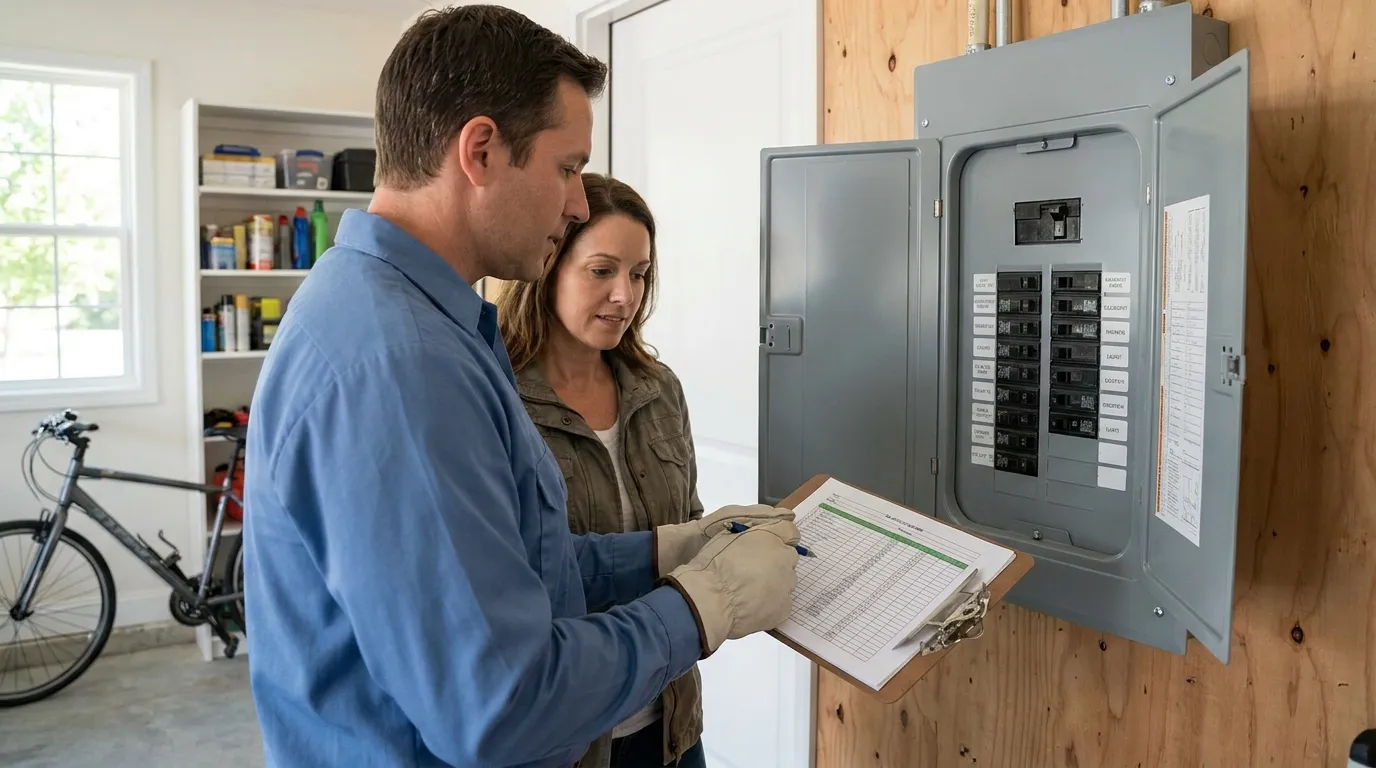
We clearly distinguish between power capacity for simultaneous operation and energy capacity for duration, ensuring a reliable setup for your home.
Professional Craftsmanship
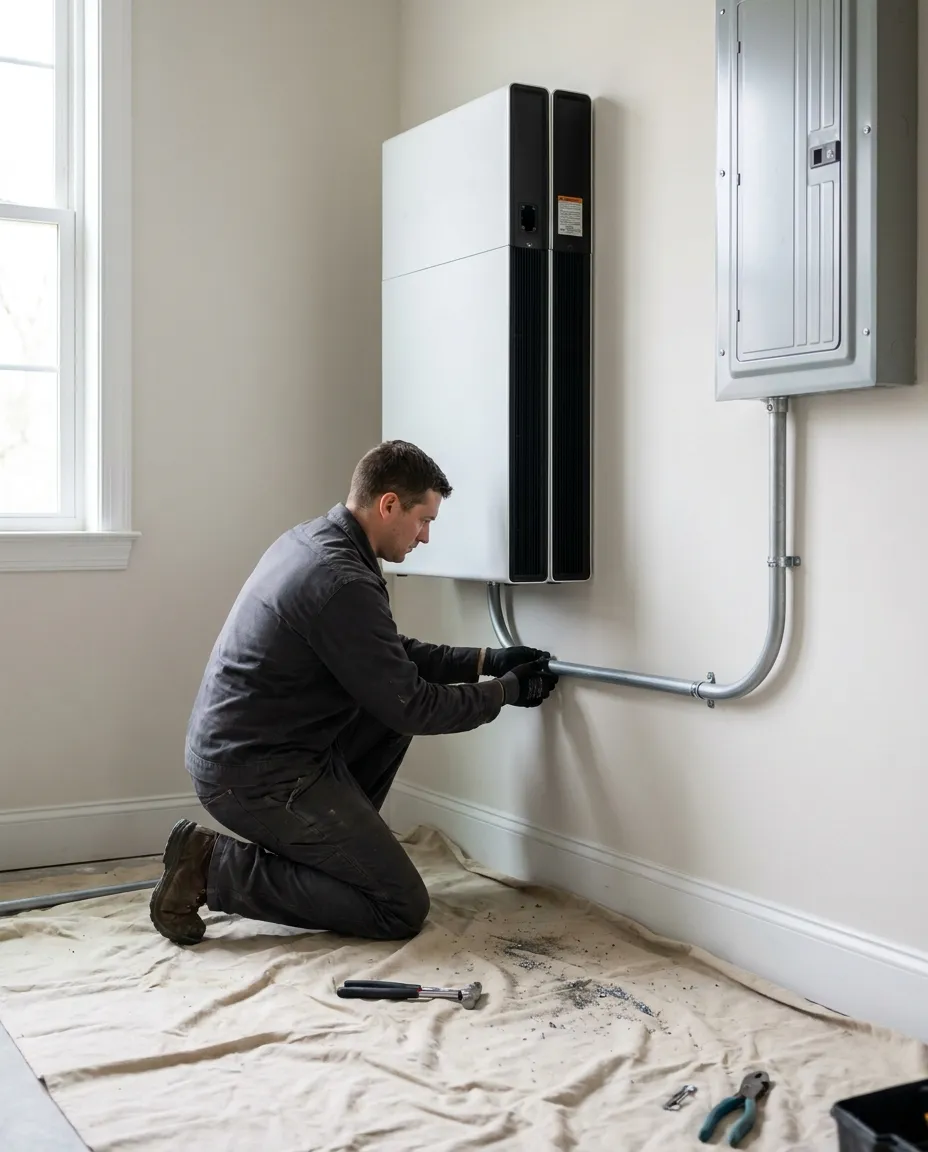
Our experienced team handles the complexities of working in occupied homes, safely routing necessary wiring and setting up critical-load panels.
1,000+ Residential Repairs
Electrical troubleshooting and repairs completed in occupied homes.
Washington Electrical Contractor
Washington electrical contractor registration OCTOPEL770O1.
Thorough Verification
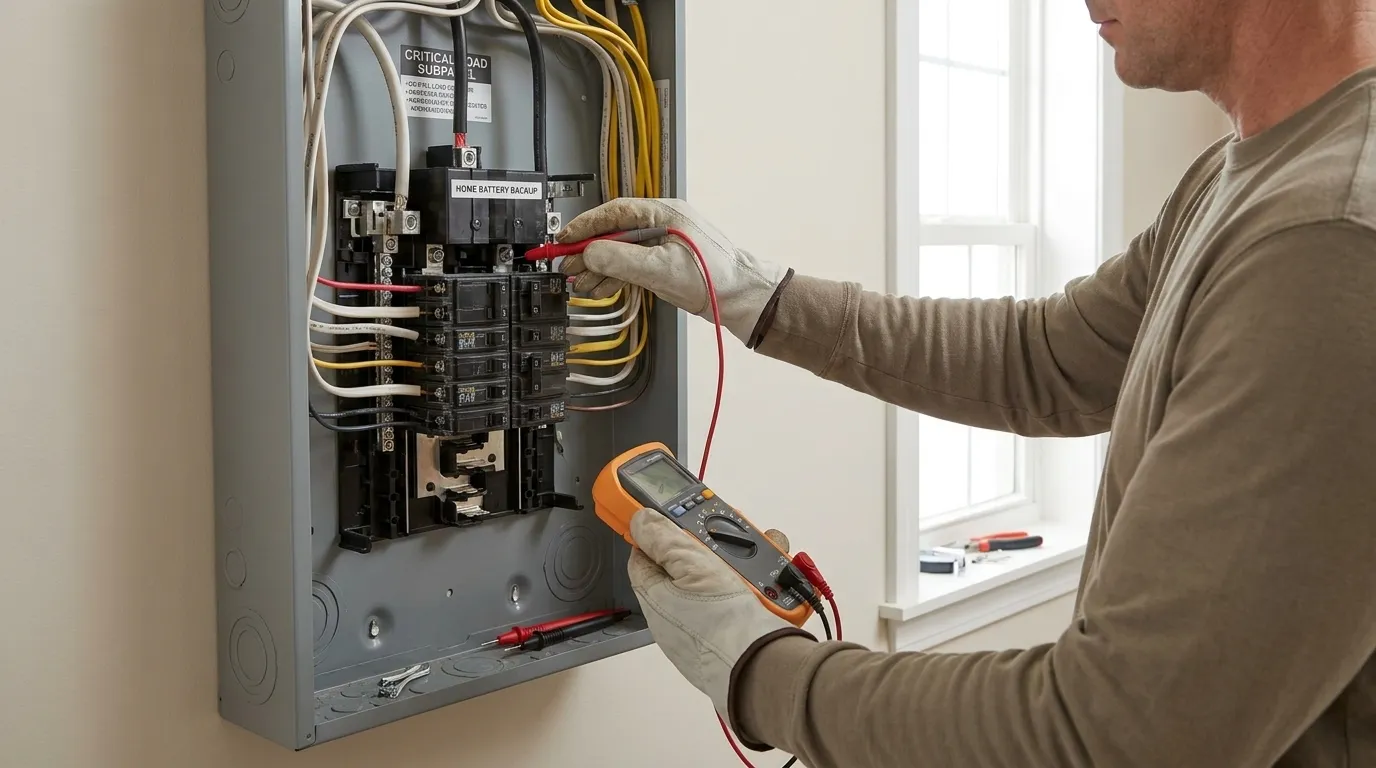
We test the transition from utility grid power to battery backup mode, ensuring your essential loads receive continuous power safely and dependably.
What Impacts Installation Scope
The complexity and requirements of a battery integration project depend on several specific technical and structural variables.
Selected Backup Loads
Powering a few essential circuits requires less extensive panel modification than properly integrating a broader house battery backup.
Battery Equipment Specs
Different battery systems have varying energy and power capacity requirements, directly impacting the necessary wiring and inverter setup.
Existing Electrical Panel
Older residential panels may require strategic upgrades or a dedicated critical-load subpanel to effectively route backup power.
Location and Integration
The physical distance between the electrical panel and the battery unit affects the amount of wiring and conduit required for installation.
Customer Reviews
Verified feedback from residential battery backup installation customers across the region.
Kasey Oleary
Residential customer
Octopel reconnected our new hot tub and ensured the electrical installation met current code requirements. The team handled the inspection process professionally, addressed all inspection requirements, and theRead full review →
Andy Kuljis
Residential customer
I have used Demeatri or Octopel, four times over the last five years, two 200 amp new service boxes, some underground work, rewiring a barn, and has cleaned up unsafe wiring on my farm. Always making time for my needsRead full review →
Rishi Pathak
Residential remodel customer
These guys are professional. They are very good at navigating through surprises during the project. They have good recommendations for folks who need some help with what they want to achieve. Dima is my go-to person forRead full review →
Angelina Dorosh
Residential remodel customer
Octopel has completed multiple electrical projects for us, from regular electrical service and troubleshooting to larger remodeling work. We have used them for repairs around the house as well as electrical work duringRead full review →
Beth Knight
Residential customer
Dimitri was exceptional! He repaired the entire electrical fixture that was taken down by a tree, in awful weather, and never complained! Cold and pouring rain! I would definitely use this company again!Read full review →
Gio Hwang
Residential customer
Octopel installed a new power pole and 200-amp electrical service for my manufactured home. The Octopel team was professional, communicated clearly, and completed the work efficiently. Everything has been working well,Read full review →
Hrach Voskanian
Residential customer
Reliable, fast, and most important good job. Highly recommendRead full review →
Adam Patterson
Residential remodel customer
Mid-remodel we realized a lot of our old wiring needed to be redone. Octopel came in as our remodel electrician and worked around the rest of the construction crew without any scheduling issues.Read full review →
Plan Your Backup Loads Today
Submit your project details online. During business hours, a manager responds within one hour to clarify your goals. We schedule an on-site visit based on your specific situation, location, and our team's availability.
Battery System Wiring Near You
Octopel provides professional home battery backup installation services for homeowners across Western Washington State.
Availability and possible visit timing depend on the property location, reported problem, and team schedule.
Not sure whether your home is within the service area?
Frequently Asked Questions
Clear answers about battery backup capabilities, runtime limitations, and system integration requirements.
A home battery backup is an energy storage system that automatically supplies power to your home during a grid outage. It connects to your electrical panel to keep designated circuits running safely when utility power drops.
The system stores electricity from the grid or from connected solar panels. When an outage occurs, an inverter seamlessly switches your power supply, delivering that stored energy to your approved loads.
Not necessarily. A whole house battery backup depends on the system's power capacity and your home's total energy demand. Many homeowners opt to power essential circuits for backup power to maximize duration during extended outages.
There is no universal runtime for a house battery backup. The duration depends heavily on the total energy capacity of the battery unit and the combined power demand of the loads you are operating simultaneously.
No, solar integration is not always required. While many batteries can pair with solar panels for off-grid recharging, they can also charge directly from the electrical grid to provide reliable backup power during unexpected short outages.
Yes, depending on your system's design architecture. Most installations utilize a dedicated critical-load panel to ensure stored energy is reserved only for crucial appliances like refrigerators, medical devices, and communication equipment.
It depends on your specific priorities. Batteries offer quiet, seamless operation without storing fuel, while a standby generator installation typically provides longer continuous runtime during multi-day outages. Neither option is universally better.
The scope involves reviewing your outage goals, planning the load circuits, configuring a critical-load panel if needed, wiring the battery unit, connecting the necessary inverter equipment, and thoroughly testing the final system operation.
Installation costs vary significantly depending on your existing electrical panel, the required energy capacity, and whether you are backing up essential circuits or broader loads. An on-site evaluation is needed to determine exact electrical requirements.