Backup Power / Generator / ATS
Installing a backup generator for home keeps your household running safely during unexpected power outages. Whether you need a full home backup power system, a dedicated home battery backup, or an automatic transfer switch (ATS), our generator electricians coordinate the entire electrical scope. We help you select essential circuits and integrate backup power seamlessly with your existing electrical panel.
- Keep selected circuits powered during outages.
- Install a standby generator.
- Add a transfer switch or ATS.
- Create a critical load panel.
- Install a home battery backup.
- Plan home energy storage.
Your final price is calculated by a manager and depends on:
- Hours of labor required
- Distance to the job site
- Electrician skill level required
- Number of electricians needed
- Urgency of the request
Additional factors that can affect price: materials, service fees, utility company disconnect/reconnect charges, and permits.
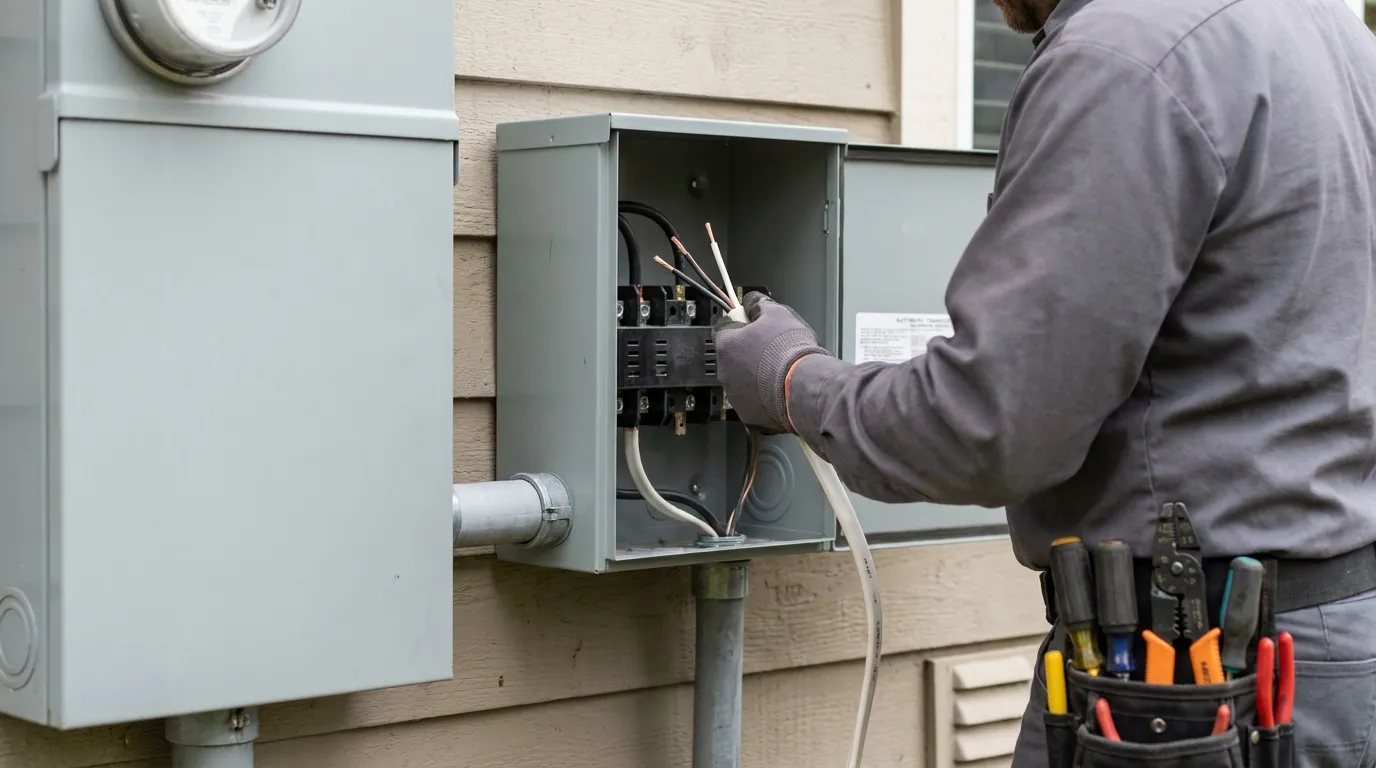
Explore Backup Power Solutions
Every household manages power outages differently. We install the electrical infrastructure for various backup power systems to meet your specific goals.
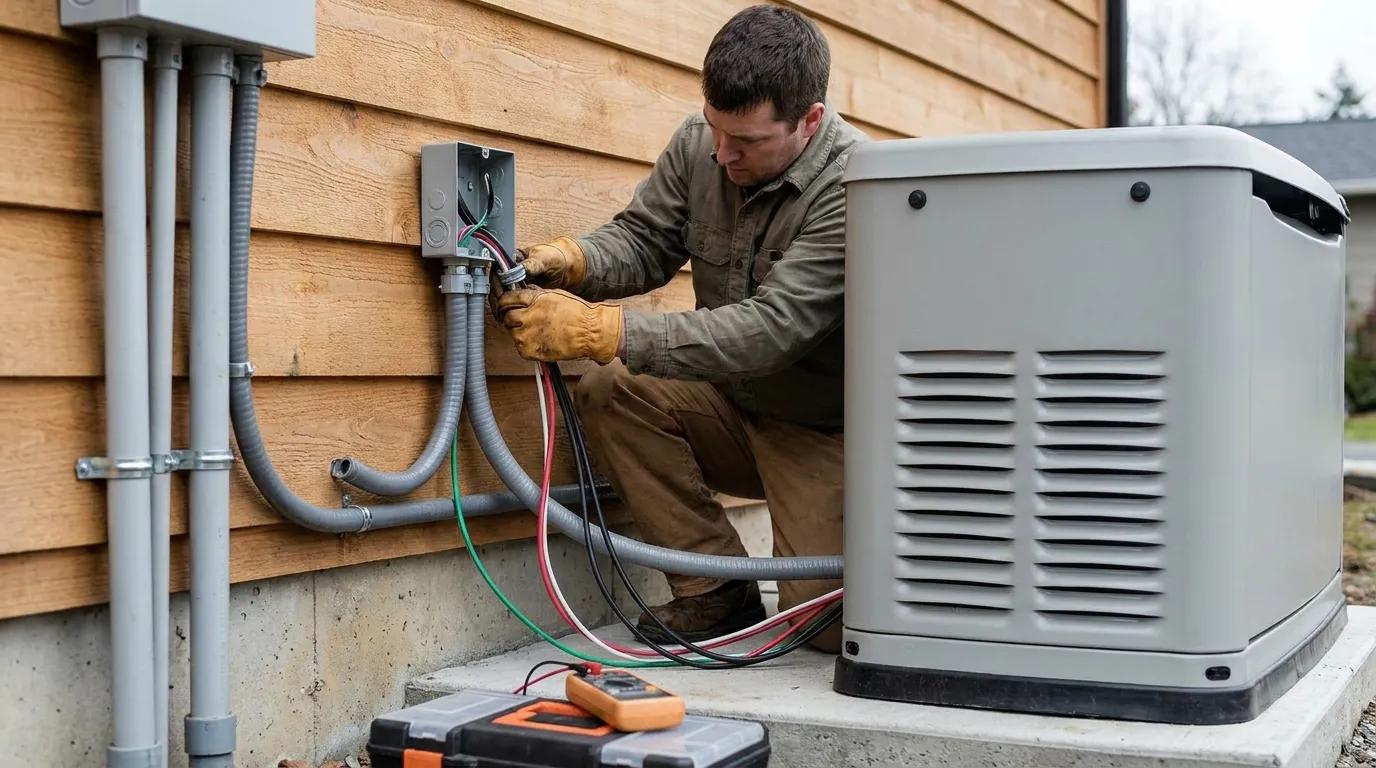
Standby Generator Installation
Hardwired systems that automatically supply power when utility lines go down, keeping major appliances and essential household circuits online.
Learn More →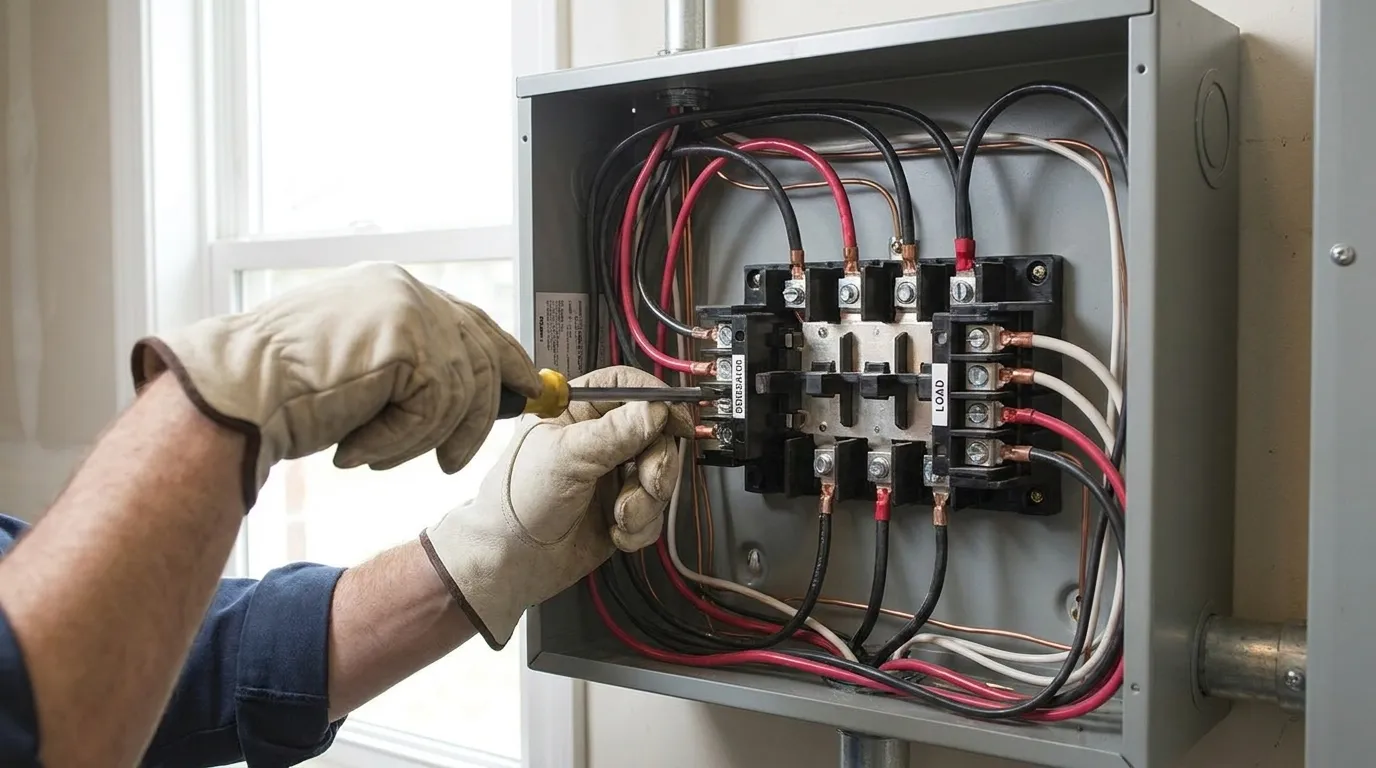
Generator Transfer Switch / ATS Installation
Safe, code-compliant manual and automatic transfer switches that control source switching between utility power and your backup generator.
Learn More →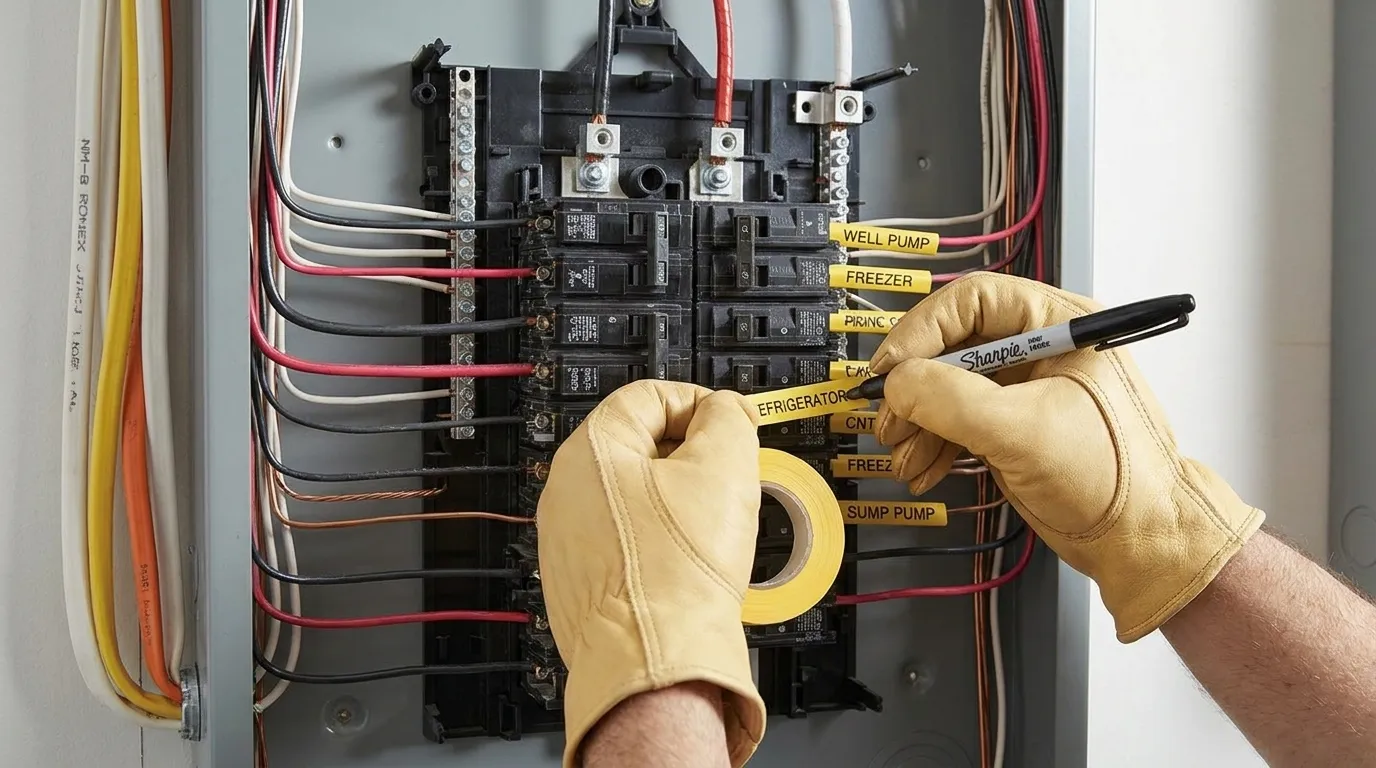
Essential Circuits for Backup Power
Dedicated critical load panels and wiring strategies to prioritize specific loads like refrigeration, well pumps, or medical equipment.
Learn More →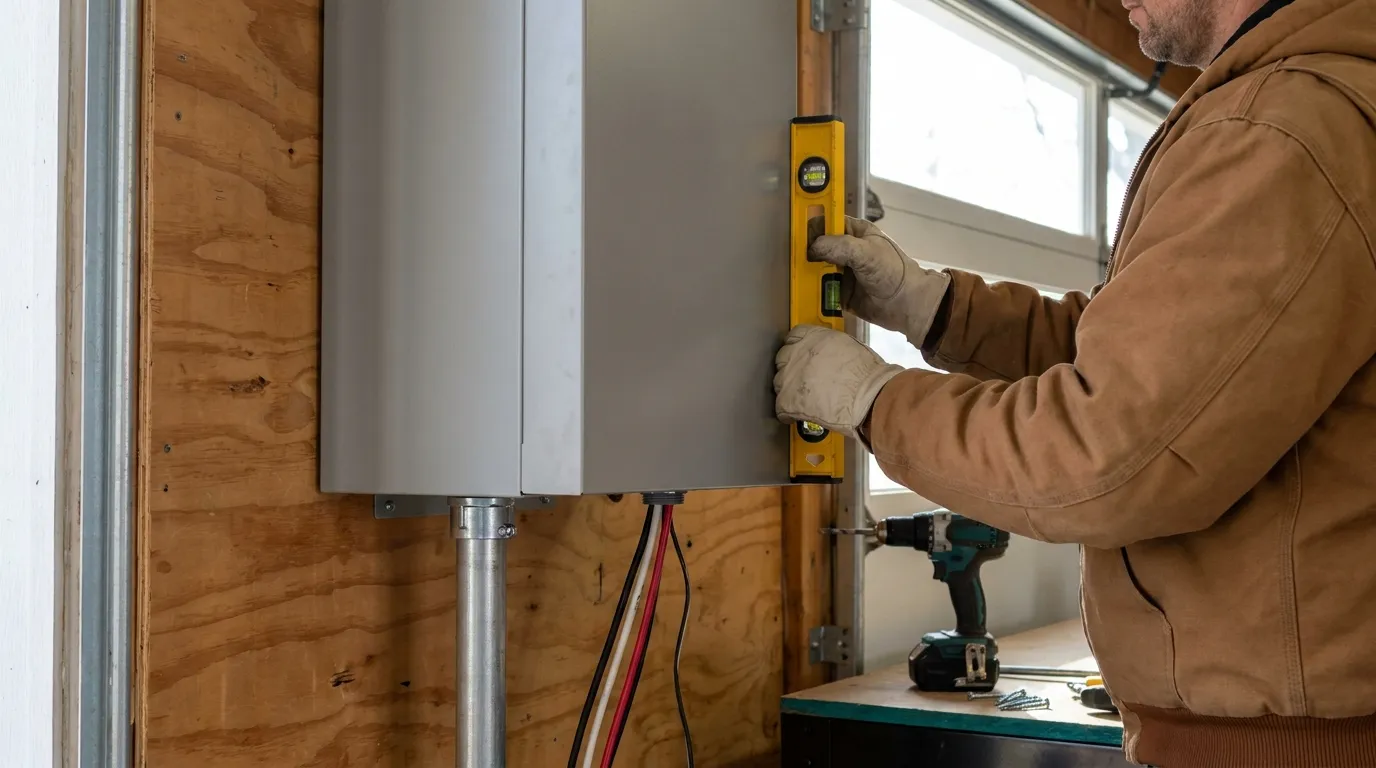
Battery Backup Installation
Wall-mounted battery systems that store energy and instantly deliver clean backup power to selected loads during grid interruptions.
Learn More →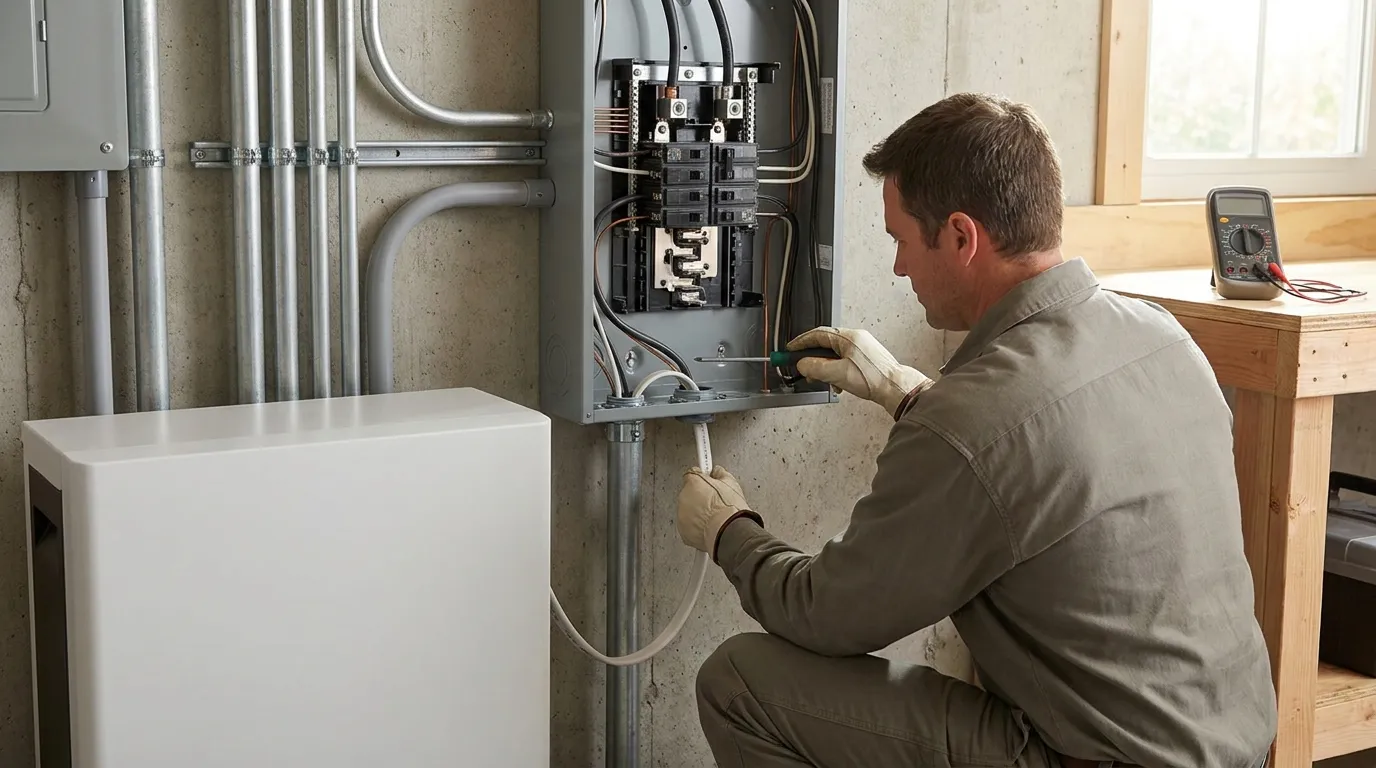
Home Energy Storage
Comprehensive energy storage integration that connects battery capacity directly to your home electrical system for planned load management.
Learn More →Generator vs. Battery vs. Essential Circuits
Understanding the distinct role of each component helps you build a reliable home backup power system tailored to your specific outage goals.
Backup Power Sources
Standby Generator
Produces backup power on-site using fuel.
Home Battery Backup
Uses stored energy collected from the grid or solar.
Outage Duration
Generator runs as long as fuel lasts; battery relies on capacity.
Routing & Control Equipment
Essential-Circuit Strategy
Prioritizes selected critical loads during an outage.
Transfer Equipment (ATS)
Safely controls the switching between utility and backup sources.
Panel Impact
May require installing a dedicated critical load subpanel.
Not every backup system requires all of these components.
The right combination depends on your electrical capacity, outage priorities, and budget.
How We Plan and Install Your Backup Power
From assessing your household loads to testing the final transfer switch, here is how our team handles your installation.
- Define What You Want to Keep PoweredDetermine your essential loads, prioritizing necessary equipment like refrigeration, medical devices, or internet networks.
- Review the Existing Electrical SystemWe assess your current electrical panel, overall service capacity, and the feasibility of routing new connections.
- Choose the Backup and Transfer StrategySelect the appropriate generator or battery integration along with the necessary manual or automatic transfer method.
- Confirm the Installation ScopeFinalize equipment location, verify system compatibility, and plan for any required jurisdictional permits.
- Install, Connect and Test the Electrical SystemComplete the necessary wiring, integrate the transfer equipment, and thoroughly test the setup for safe operation.
What Do You Need to Keep Running During a Power Outage?
We design the electrical routing of your backup system based on the household equipment you prioritize most.
Refrigeration & Food Storage
Keeping refrigerators and freezers powered is a primary goal to prevent food loss during extended power outages.
Refrigeration & Food Storage
Keeping refrigerators and freezers powered is a primary goal to prevent food loss during extended power outages.
Our Approach to Backup Power Infrastructure
As an established Washington electrical contractor, Octopel focuses on safe, code-compliant integration. Our team ensures your home backup generator or battery connects properly to your electrical panel without overloading your system.
Licensed Electrical Expertise
Drawing on our experience with 1,000+ residential repairs in occupied homes, our team safely handles the complete electrical scope for backup systems.
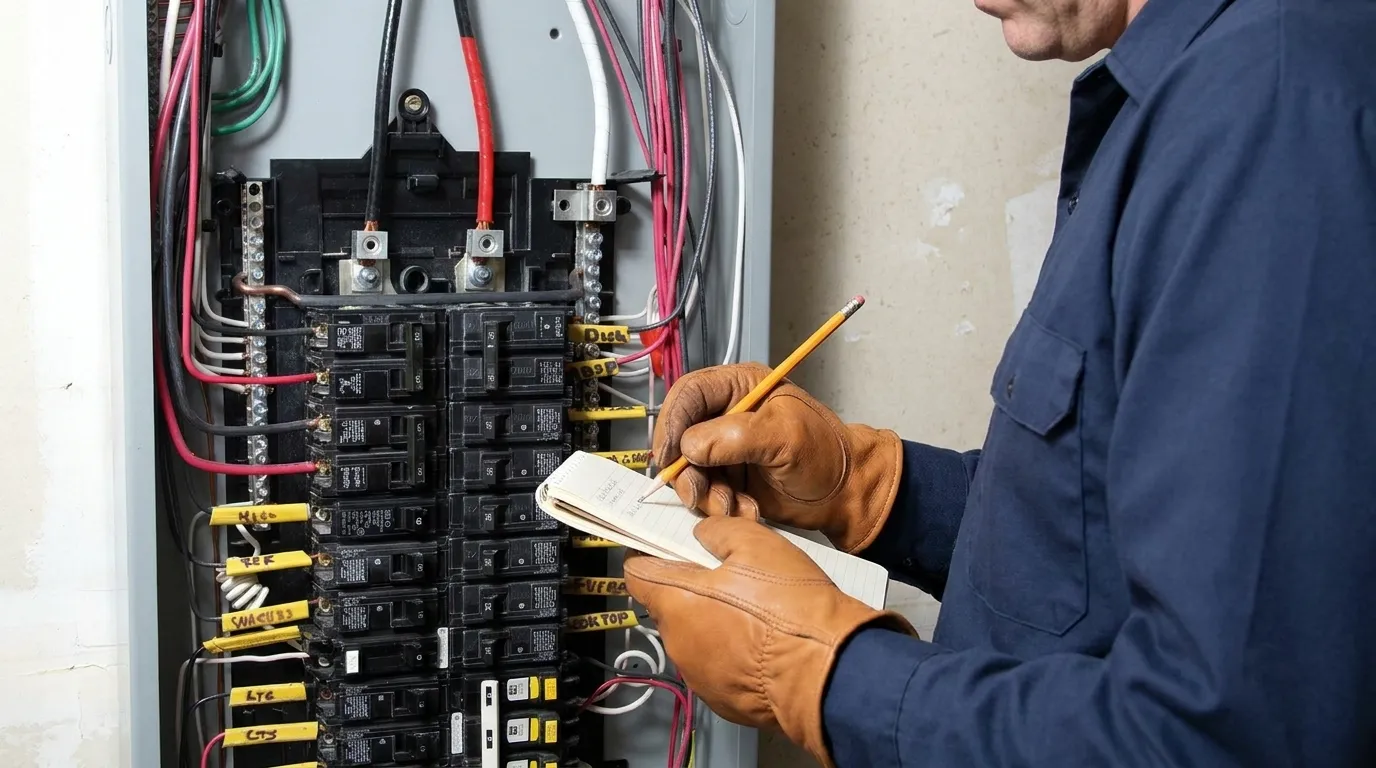
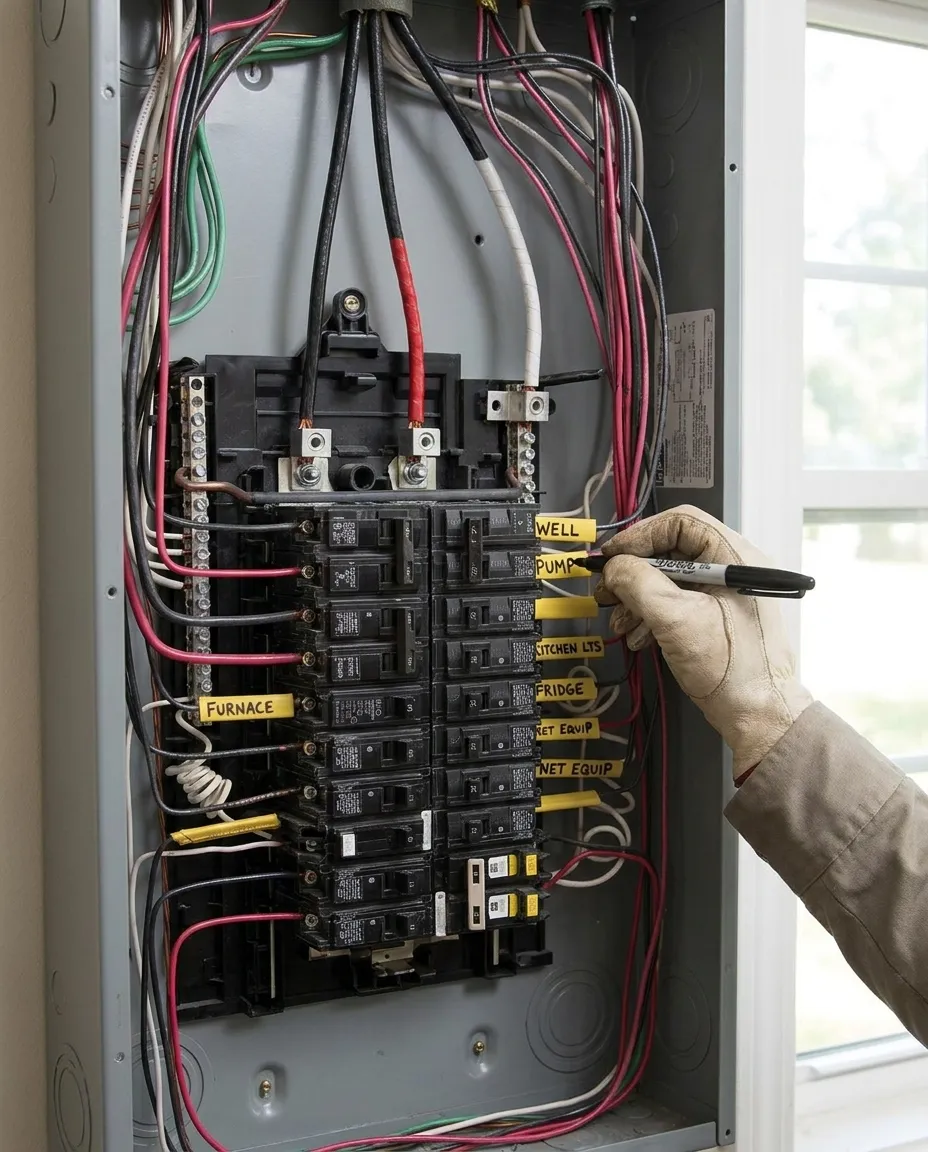
Load Planning & Critical Circuits
We carefully calculate your required loads to design a transfer system that supports your prioritized essential circuits without tripping breakers.
1,000+ Residential Repairs
Electrical troubleshooting and repairs completed in occupied homes.
Washington Electrical Contractor
Washington electrical contractor registration OCTOPEL770O1.
Safe Transfer Equipment Integration
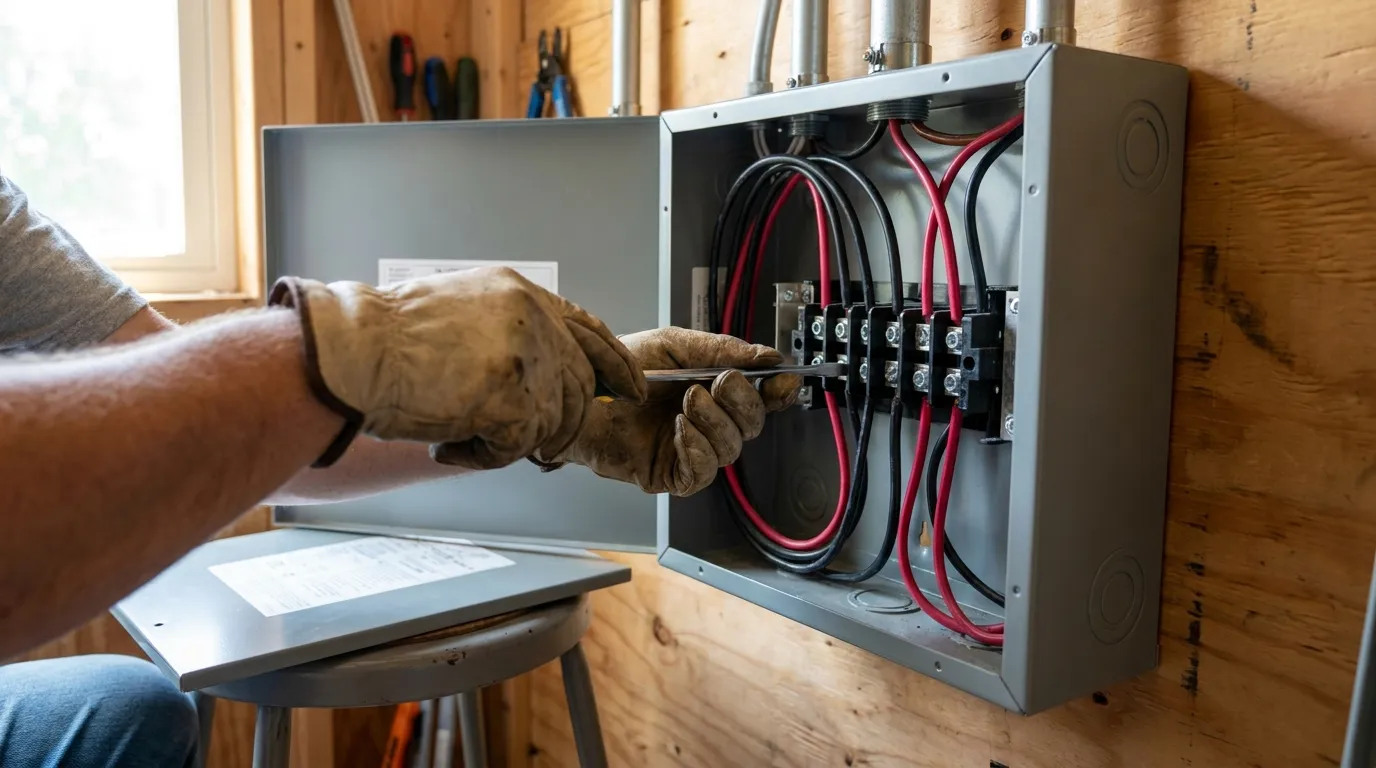
Proper transfer switches are vital for safety. We ensure code-compliant connections that protect utility workers and your household during switching.
What Influences the Scope of Backup Power Installation?
Every property is different. The electrical complexity of integrating a backup power system depends on several property-specific variables.
Backup Source & Capacity
Integrating a large standby generator requires different infrastructure than a wall-mounted home battery backup.
Supported Household Loads
The number and size of the essential circuits you want to keep active dictate panel modifications and wiring requirements.
Transfer Equipment Complexity
Adding a manual transfer switch versus a fully automatic transfer switch (ATS) significantly changes the installation scope.
Location, Routing & Permits
The distance between the main electrical panel, the backup source, and local jurisdictional permit requirements impact the project.
Customer Reviews
Verified feedback from residential backup power / generator / ats customers across the region.
Valentin Kitov
Residential customer
After losing power for two days last winter we decided a backup generator for the home was worth it. Octopel handled the electrical side of the install and explained how everything switches over. One less thing to worryRead full review →
Plan a Home Backup Power System
Submit your project details below. During business hours, a manager responds within one hour to clarify your needs. On-site visits are scheduled based on the situation, location, and team availability.
Residential Backup Power Electrical Service in Western Washington State
Octopel provides load assessment, transfer switch installation, and backup power electrical services for homes throughout Western Washington State.
Availability and possible visit timing depend on the property location, reported problem, and team schedule.
Not sure whether your home is within the service area?
Frequently Asked Questions About Home Backup Power
Find answers regarding generators, transfer equipment, and essential circuit planning for your home.
There is no single best solution for every household. The right backup power system depends entirely on your supported loads, outage goals, budget, and equipment preferences.
We can help you evaluate whether a standby generator, battery, or simple essential-circuit setup makes the most sense based on your existing system.
A backup generator for a home is a localized power source that provides electricity during a grid outage. These systems can be portable or permanently installed standby units that run on fuel.
They require dedicated transfer equipment to safely connect to your home's electrical panel.
The primary difference is how they source energy. A generator produces backup power by burning fuel on-site, while a home battery backup releases electricity that was previously stored from the grid or solar panels.
Batteries operate silently, whereas generators typically offer longer runtimes as long as fuel is supplied.
It depends heavily on the system's capacity, your home's overall electrical load, and the system design. While some large standby generators can support a whole house, typical residential backup systems are designed to power a selected subset of essential circuits.
Essential circuits are the specific electrical paths you prioritize keeping active during an outage, such as those powering refrigerators, well pumps, or medical devices. During installation, these are often isolated into a dedicated critical load panel.
A transfer switch safely controls the electrical connection between your home, the utility grid, and your backup power source. It ensures that backup power only flows into your home and does not backfeed into utility lines, protecting utility workers from serious injury.
Yes, integrating any backup power source into your main electrical panel requires a qualified professional. A generator electrician ensures that load calculations, transfer switch wiring, and critical circuit routing meet all local safety codes.
The total cost varies based on the backup source you choose, the required transfer equipment, and necessary panel modifications. Routing complexity, local permit requirements, and the number of supported loads also directly influence the final installation scope.