Commercial Power Drops & Dedicated Circuits
An electrical power drop brings suitable power to a new commercial location or load. Whether the project needs a general-use receptacle or a commercial dedicated circuit installation, the route and connection method depend on the equipment's requirements and the existing system's capacity.
- New equipment has no suitable power source at its location.
- A machine or appliance is being relocated within the facility.
- An existing outlet is not appropriate for the new electrical load.
- A workstation or production area requires reliable power.
- Commercial equipment specifically needs a dedicated circuit.
- A tenant space is being reconfigured and requires new receptacles.
- Existing circuit capacity for a new load is uncertain.
Commercial Power Drop Routing & Connection Options
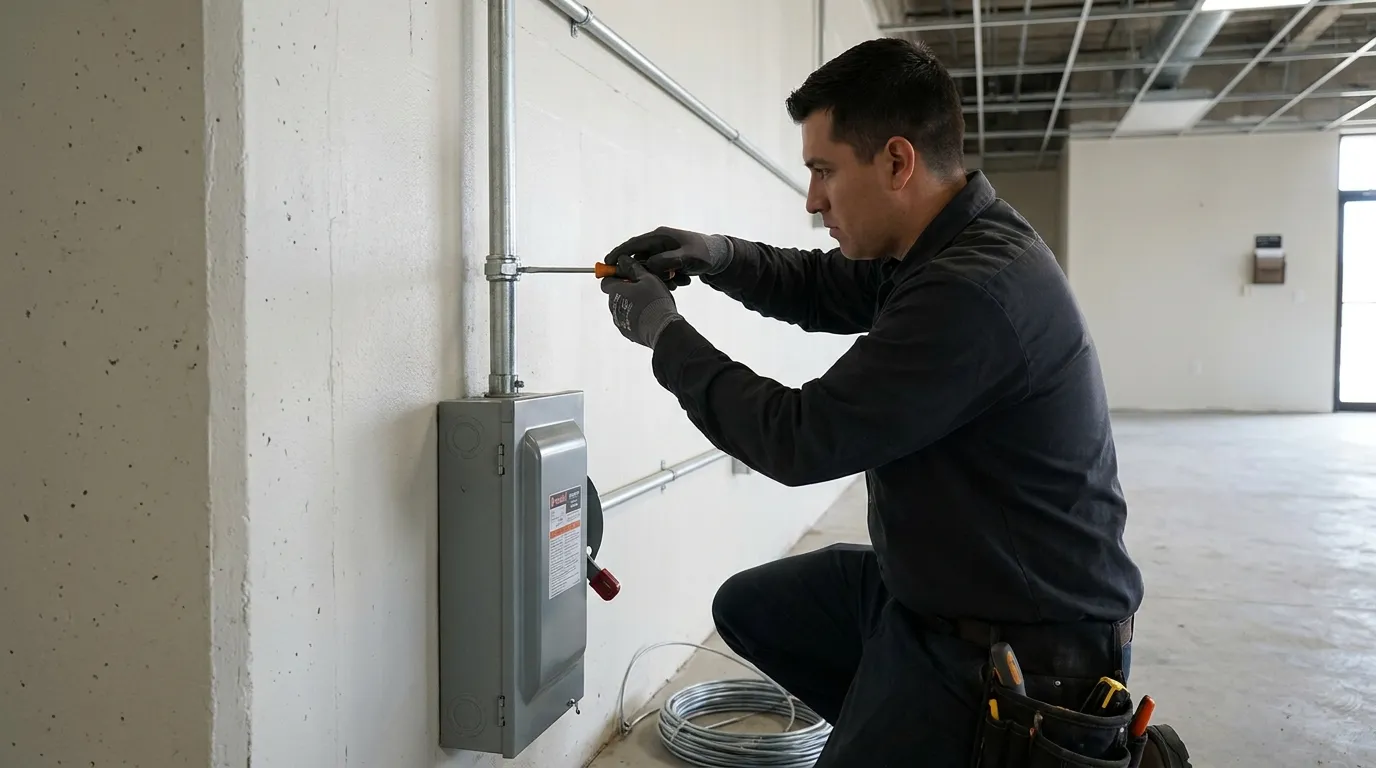
New commercial power can be delivered to equipment or a work area using several methods, depending on the facility layout and operational environment.
Existing Capacity Assessment
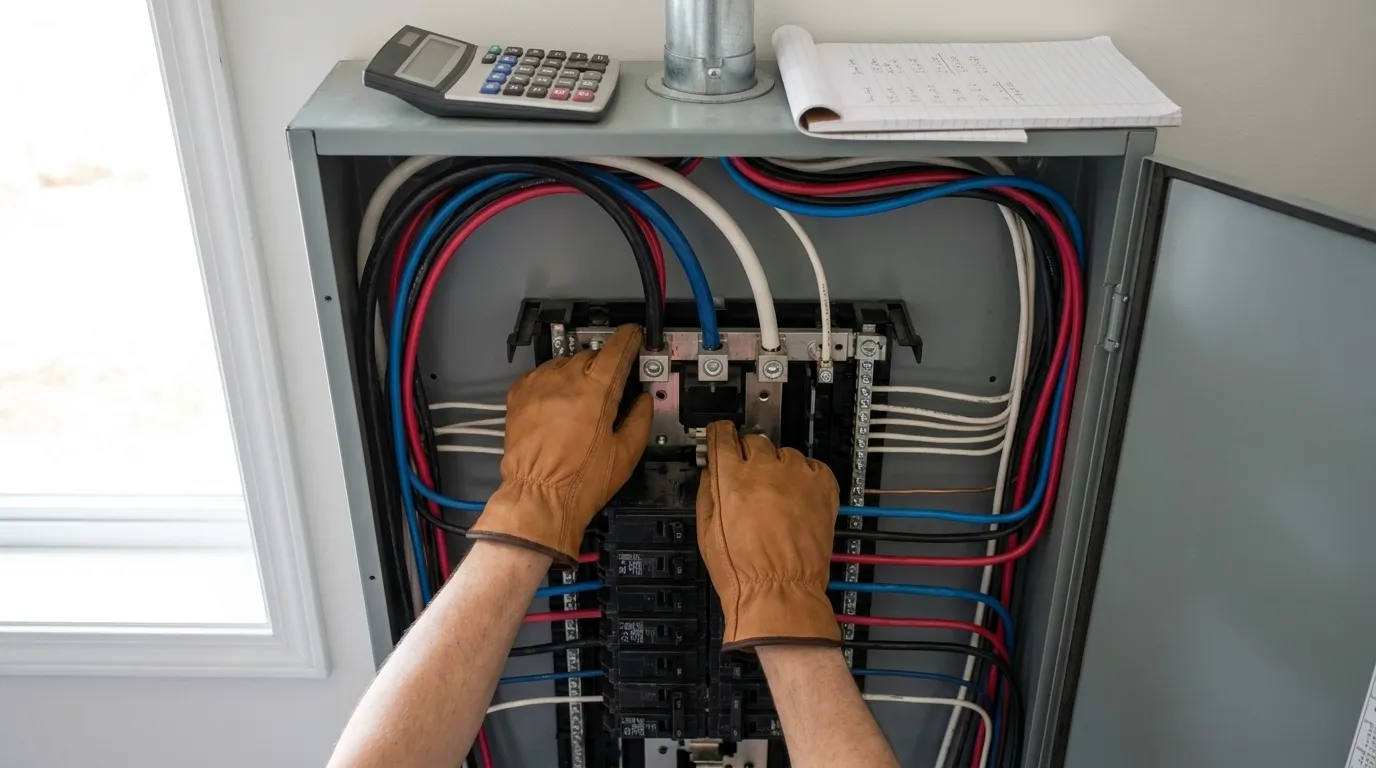
Reviewing the panel to ensure it has physical space and sufficient electrical capacity for the planned load before pulling new wire.
Conduit & Raceway Routing
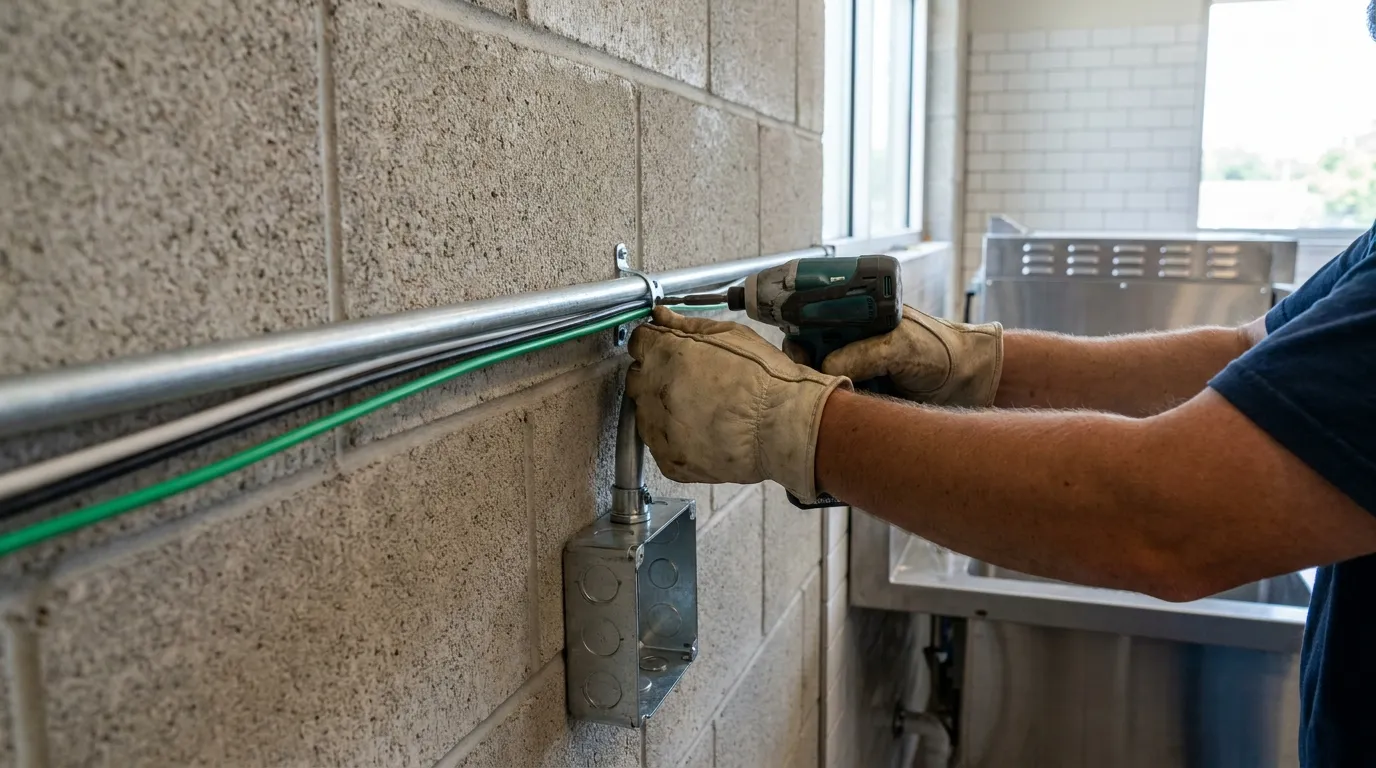
Running new branch circuits via ceiling overheads, surface raceways, or floor boxes to safely reach the new equipment location.
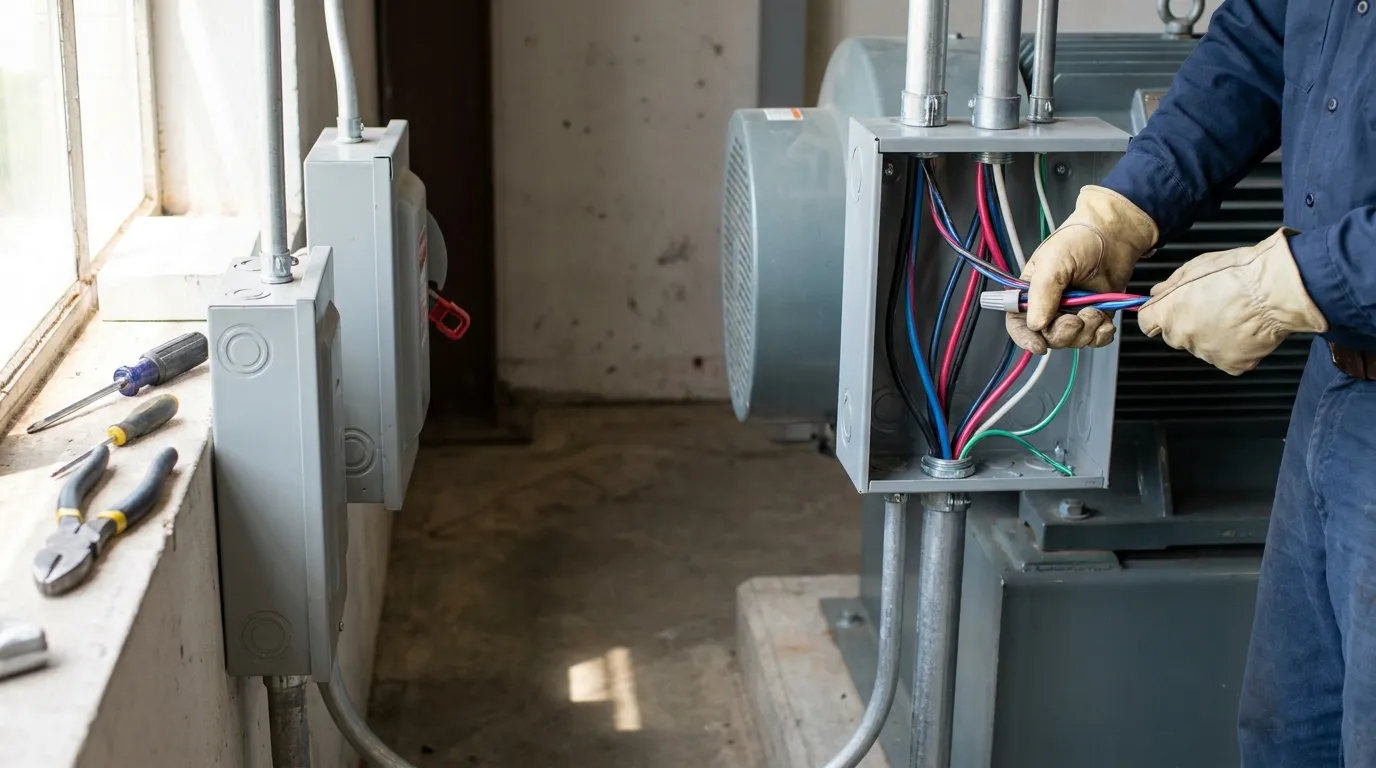
Receptacle & Disconnect Installation
Terminating the circuit at a wall-mounted receptacle, floor box, junction point, or safety disconnect based on equipment specifications.
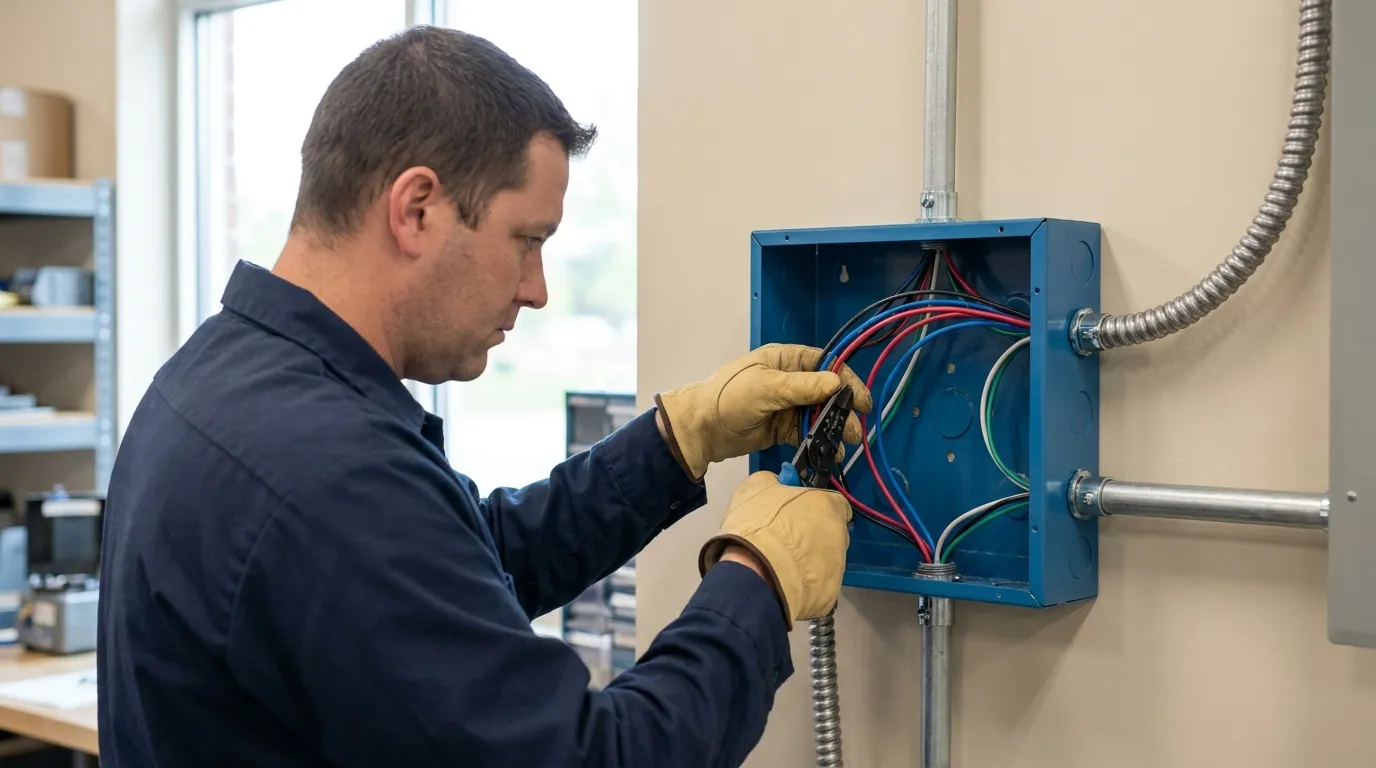
Equipment Relocation Support
Disconnecting the existing supply, assessing the new location, and installing the necessary power drop so the relocated machine operates correctly.
Clarifying Commercial Power Terminology
Understanding the difference between bringing power to a location, dedicating a circuit, and connecting equipment helps define the exact project scope.
Electrical Power Drop vs Dedicated Circuit
Primary purpose
Bringing power to a location
Delivers a new electrical supply to a specific work area.
Shared usage
May be shared or dedicated
Depends on the load characteristics and operational needs.
Typical scope
Installing route and connection
Focuses on the conduit, wire, and termination point.
Power Drop vs Equipment Hookup
Starting condition
No suitable power exists
Requires running a new circuit from the panel.
Main focus
Creating the power source
Ends at a receptacle, disconnect, or junction box.
Subsequent step
Final electrical connection
Hooking the specific machinery directly to the new supply.
A project can involve a power drop, a dedicated circuit, or an equipment connection depending on the existing system and planned work.
The appropriate connection method relies heavily on manufacturer specifications and the operating environment.
How Commercial Power Drop Installation Works
The steps from initial equipment review to final testing for your new commercial dedicated circuit installation.
- Equipment and Location ReviewWe start by reviewing the equipment manufacturer specifications, nameplate data, and the proposed location for the new load.
- Existing Capacity AssessmentOur team checks the existing electrical panel to verify there is suitable physical space and available capacity to support the new circuit.
- Route and Scope DefinitionWe define the ideal conduit route, wire size, and termination method—such as a receptacle or disconnect—based on the site layout.
- Circuit InstallationThe approved power drop or dedicated circuit is installed, coordinating with facility teams to minimize disruption to operations.
- Final Testing and LabelingWe test the new electrical supply for proper voltage, phase, and grounding, then clearly label the circuit for future maintenance.
Common Commercial Power Drop Scenarios
Select the situation that best matches your facility's current electrical needs to see how we approach the project.
Installing new commercial equipment
When adding a new machine, appliance, or server rack that lacks a nearby power source, we run a new branch circuit directly to the required location.
Installing new commercial equipment
When adding a new machine, appliance, or server rack that lacks a nearby power source, we run a new branch circuit directly to the required location.
Our Approach to Commercial Power Installations
With over 10 years of experience and 100+ commercial projects, Octopel plans and executes power drops that align with facility schedules, equipment specifications, and strict operational requirements.
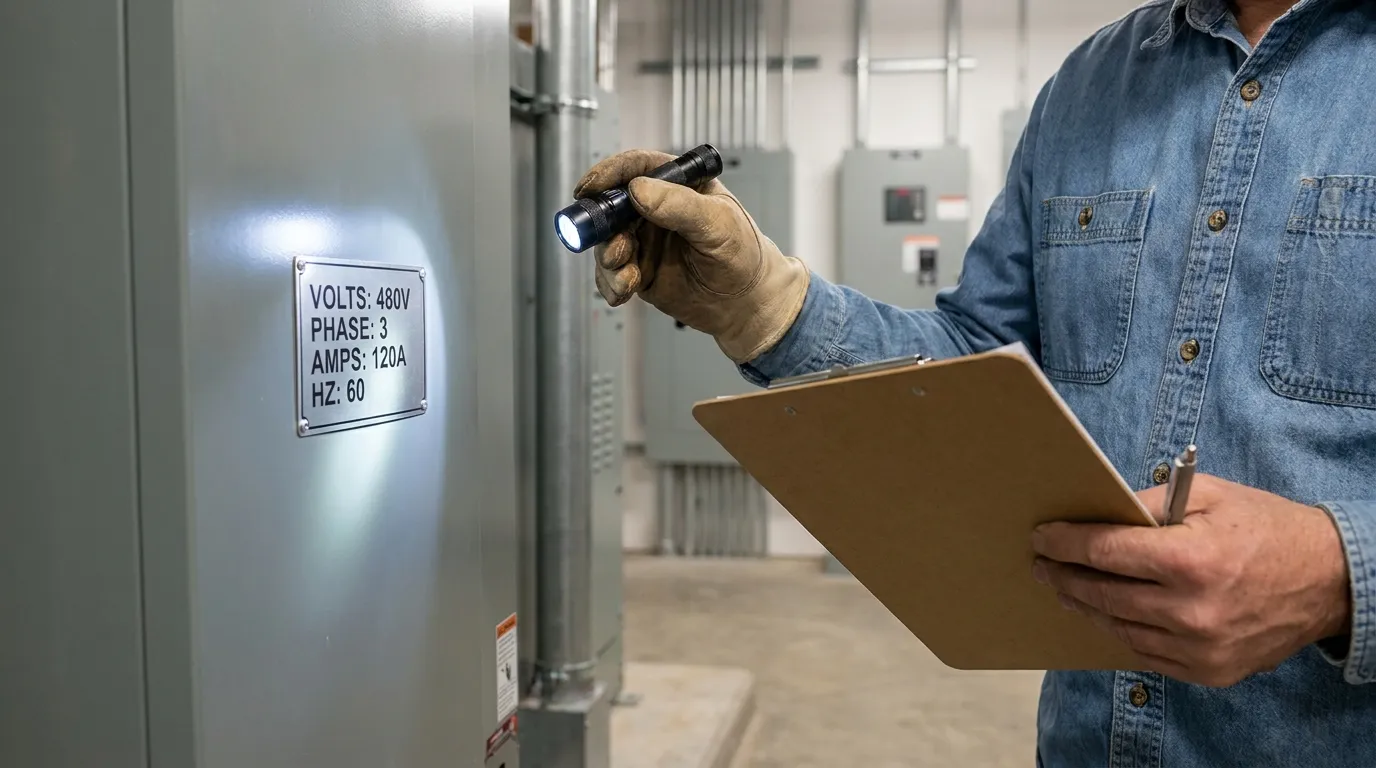
Specification-Driven Planning
We review equipment nameplates and manufacturer requirements to ensure the voltage, phase, and connection method are correct before pulling wire.
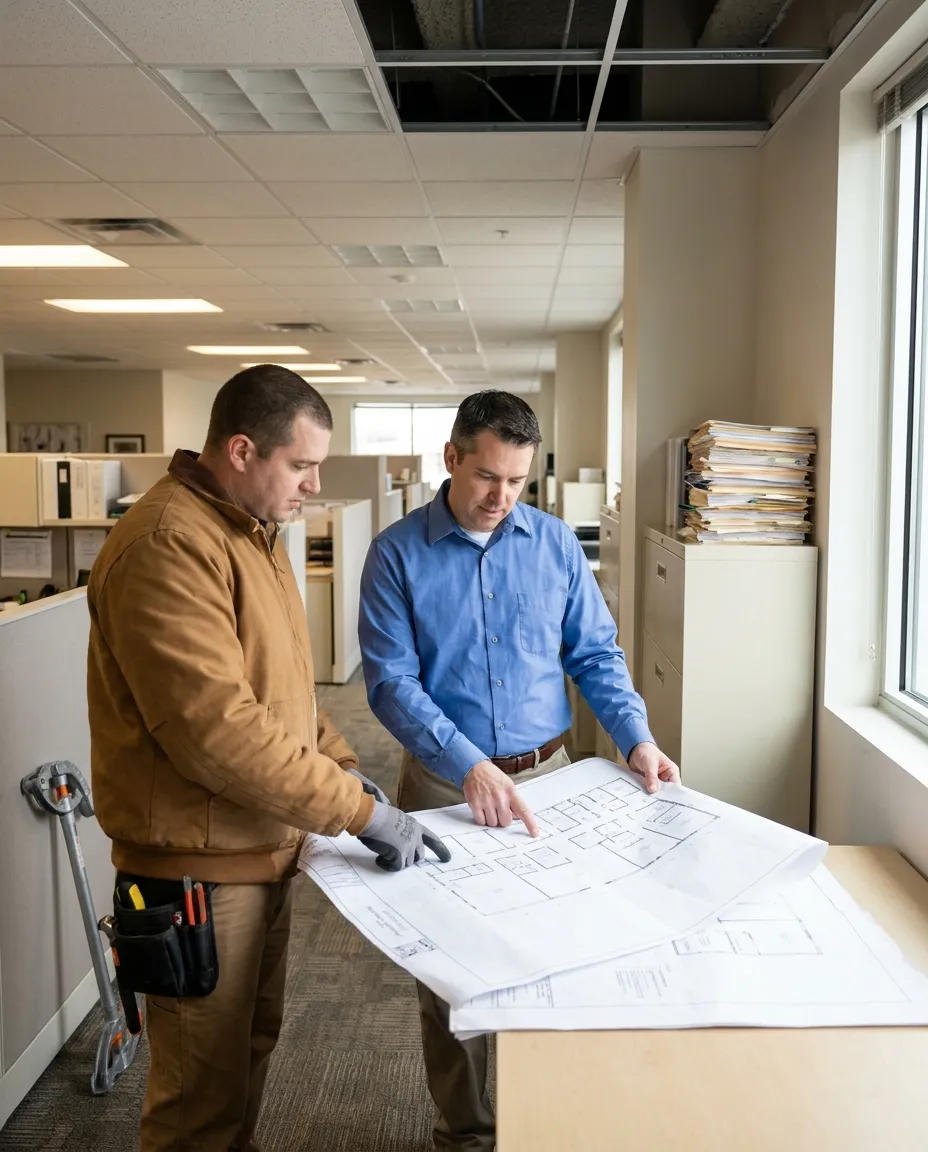
Occupied Facility Coordination
Working in active businesses or construction environments means we plan conduit routes and schedule necessary shutdowns to minimize operational impact.
100+ Commercial Projects
Electrical work for commercial properties, facilities, and construction projects.
Washington Electrical Contractor
Washington electrical contractor registration OCTOPEL770O1.
Clear Verification and Labeling
Every new circuit is tested to verify proper performance and accurately labeled at the panel, supporting easier maintenance for your facility team.
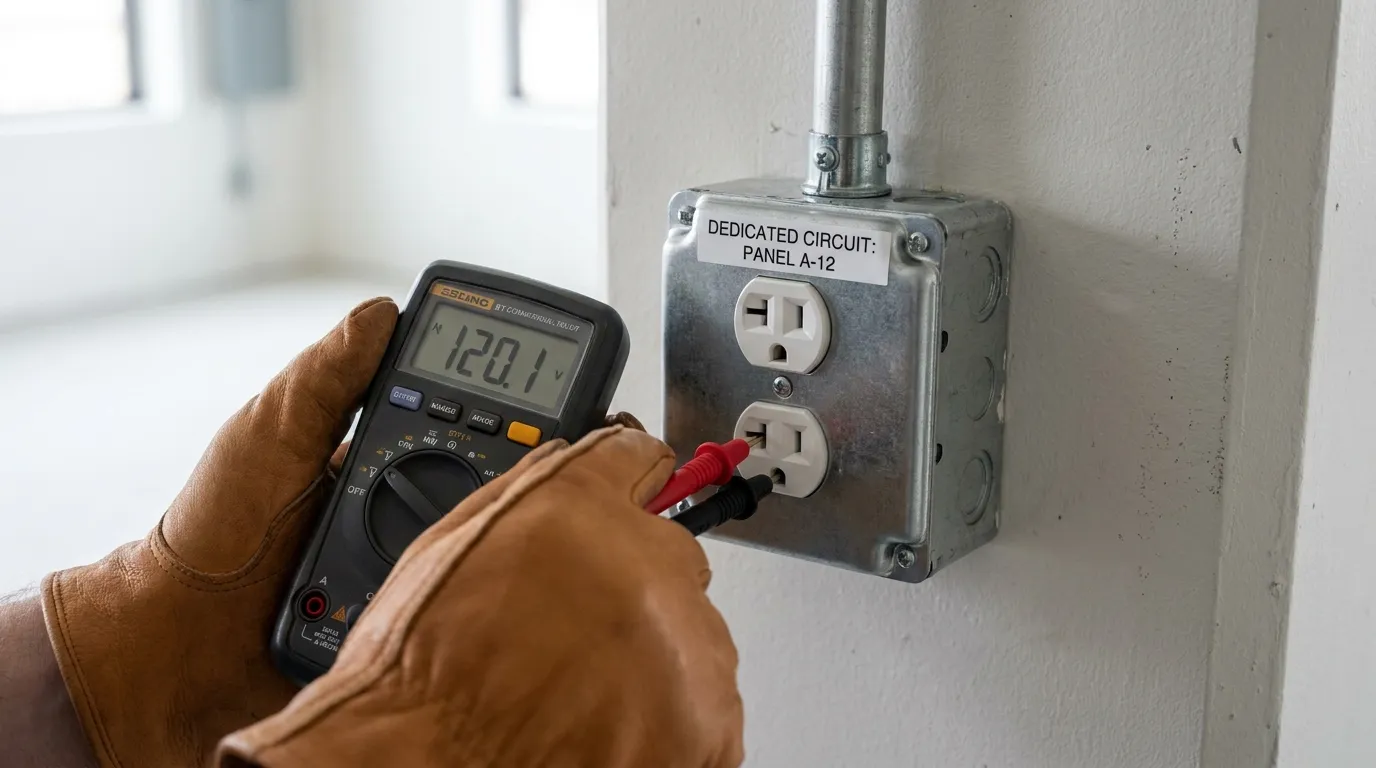
What Influences the Scope of a Commercial Power Drop?
The requirements for adding a new circuit vary by project and facility. These key factors shape the installation plan and overall cost.
Equipment Electrical Requirements
The specific voltage, phase, and amperage dictated by the manufacturer's nameplate determine the required wire size and breaker.
Route Length and Access
The distance between the electrical panel and the new equipment location, along with ceiling or floor conditions, impacts conduit routing.
Connection Method
Terminating the circuit at a standard wall receptacle, an industrial disconnect, or a floor box changes the materials and labor involved.
Panel Capacity and Shutdowns
Verifying available panel capacity and coordinating necessary facility shutdowns or off-hours work can adjust the project scope.
Customer Reviews
Verified feedback from businesses across the region about commercial power drops & dedicated circuits work.
Nathan R
Commercial property manager
They've done about five projects between my house and places I take care of. Good people. I had a tricky outdoor emergency exit light and he found a replacement and put it in for us.Read full review →
Banya FGM
Commercial client
We have exclusively used Octopel for any and all electrical projects at the commercial spa. Very knowledgeable team. Gets the works done fast and right.Read full review →
Nadya Kozlova
Commercial client
Dimitri is the only person I would trust with anything electrical both in my residence and many of my businesses. Exceptionally executed job, flawless results, and above the standard customer service. Always timely andRead full review →
Pi Lock
Residential and commercial client
I've been working with Dima, the owner of Octopel, on a variety of projects in Seattle for quite some time. His team has been outstanding on both residential and commercial electrical work, as well as access controlRead full review →
Megan Stuhlberg
Commercial client
The best electrician I have found in the greater Seattle area. Dmitri is responsive, incredibly smart and quick to solve any problem. He goes above and beyond to complete the job well and make the customer happy. As aRead full review →
Darla Morton
Commercial client
I have used this company for many electrical projects over several years. I am both a real estate broker and licensed contractor and really appreciate the knowledgeable and professional work.Read full review →
Pavel Dertyshnikov
Commercial client
I am a General Contractor and have been working with them for a year now, I can say with confidence that these guys are the best electrical contractor in Seattle area.Read full review →
Request a Commercial Power Drop
Submit your property address, equipment nameplate details, and proposed location. A manager responds within one hour during business hours to clarify requirements and schedule an on-site visit based on your facility's needs and team availability.
Commercial Power Drop Services in Your Area
Octopel provides dedicated circuit installations and equipment power drop routing for commercial properties and industrial facilities across Western Washington State.
Availability and possible visit timing depend on the property location, reported problem, and team schedule.
Not sure whether your property is within the service area?
Commercial Power Drops and Dedicated Circuits FAQ
Answers to common questions about routing new electrical power and adding dedicated circuits for commercial equipment.
An electrical power drop is a new electrical supply brought to a specific location for equipment, workstations, appliances, or other commercial loads.
It may terminate as a receptacle, a safety disconnect, a junction point, or a hardwired connection, depending on what the facility requires.
Power drop electrical work typically includes assessing existing panel capacity, planning the conduit route, pulling the appropriate wire, and installing the final termination point.
The exact scope depends on the equipment specifications and the physical distance from the electrical panel to the new load.
A power drop simply refers to bringing new power to a specific location, while a dedicated circuit is an electrical line intended solely for one specific load or defined use.
A project can involve one, both, or neither. For example, a heavy machine often requires a dedicated power drop, while a new general-use receptacle might be added to an existing shared circuit.
No, not every piece of equipment requires its own dedicated circuit.
A dedicated circuit is typically required when specified by the manufacturer, when the connected load is particularly high, or when operational reliability demands that the equipment does not share a breaker with other devices. We review the equipment nameplate to determine the appropriate approach.
To plan a commercial dedicated circuit installation, we need the equipment manufacturer, model, and a clear photo of the data nameplate showing voltage and phase.
It is also helpful to provide the proposed equipment location, the distance to the nearest electrical panel, and any known shutdown restrictions for the facility.
Not necessarily. Having an open physical space in the panel is different from having available electrical capacity.
Before adding a significant new load, the existing electrical system must be assessed to ensure it has the capacity to safely support the additional current without overloading the service or feeder.
Sometimes, depending on the suitability of the existing circuit and the requirements of the new load.
If the new equipment operates within the remaining capacity of an existing branch circuit and does not explicitly require a dedicated connection, extending the existing line may be possible. However, if the existing circuit fails frequently, you may need Breaker & Circuit Repair first.
Not automatically.
Adding a new circuit does not always mean a service upgrade is required. However, if your facility is already near its maximum calculated load, adding heavy machinery might exceed the existing limits. A capacity assessment will determine if your current distribution system is sufficient.
No, they are related but represent different scopes of work.
A power drop involves routing the new circuit from the panel to the equipment location, ending at a receptacle or disconnect. An equipment hookup is the final step of electrically connecting the specific machinery to that newly installed power source. If power is already present, you may only need Commercial Equipment Electrical Connections.
The cost of commercial power installation depends on the electrical load, voltage and phase requirements, route length, and panel capacity.
Other variables include the connection method, conduit or raceway needs, facility access, and any required off-hours shutdown coordination. An on-site review is necessary to define the final scope.