Commercial Equipment Electrical Connections
Commercial and industrial equipment wiring starts with manufacturer requirements, available power, and approved connection methods. An equipment electrical installation covers the building-side electrical infrastructure and final hookup, not internal machine controls or OEM mechanical repairs.
- New equipment has arrived and requires a confirmed electrical hookup.
- An equipment vendor requires a licensed electrician for connection.
- A machine is being relocated and needs new power infrastructure.
- A general contractor or facility manager is coordinating an installation.
- Existing electrical infrastructure must be verified before connection.
What Commercial Equipment Wiring Can Include
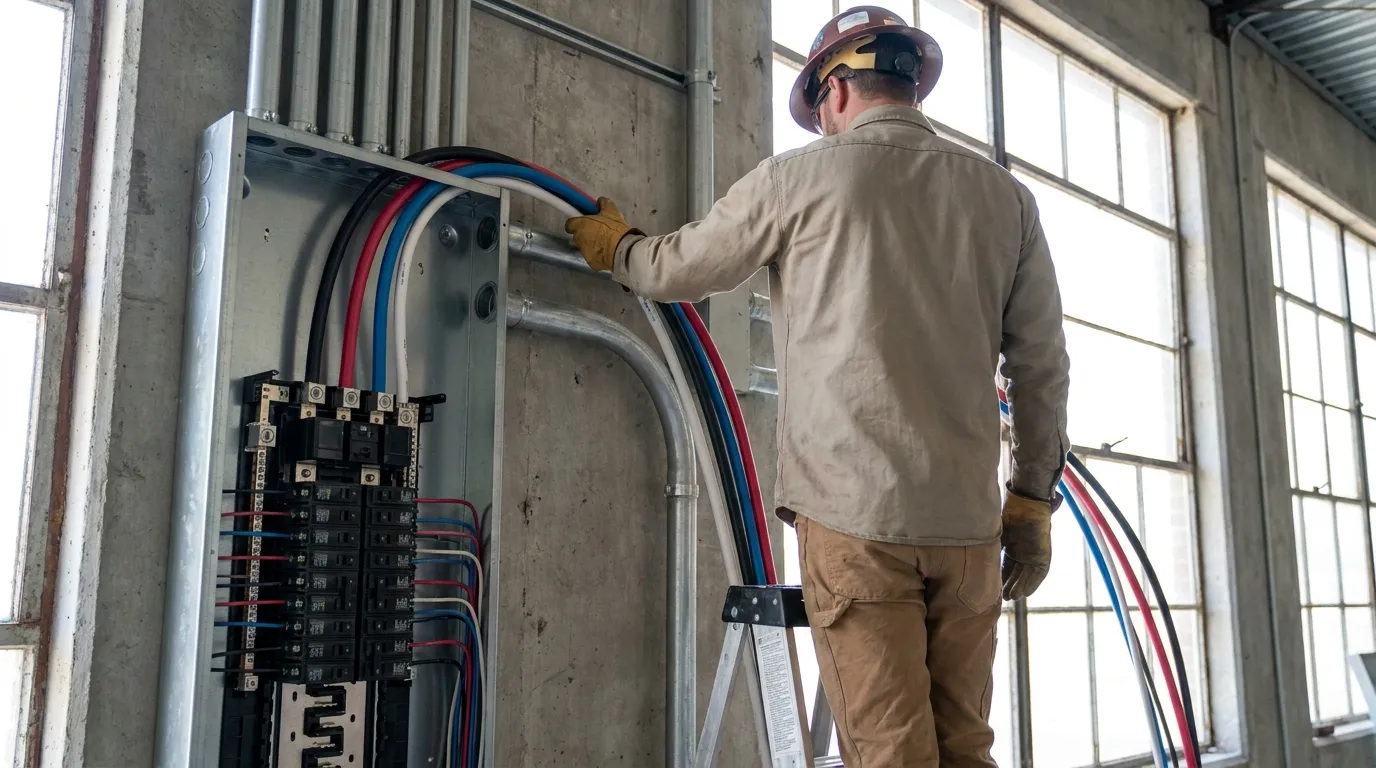
Every equipment electrical installation depends on the exact machine specifications and existing building power. Based on the project, the scope may cover infrastructure upgrades and final connections.
Power Assessment & Review
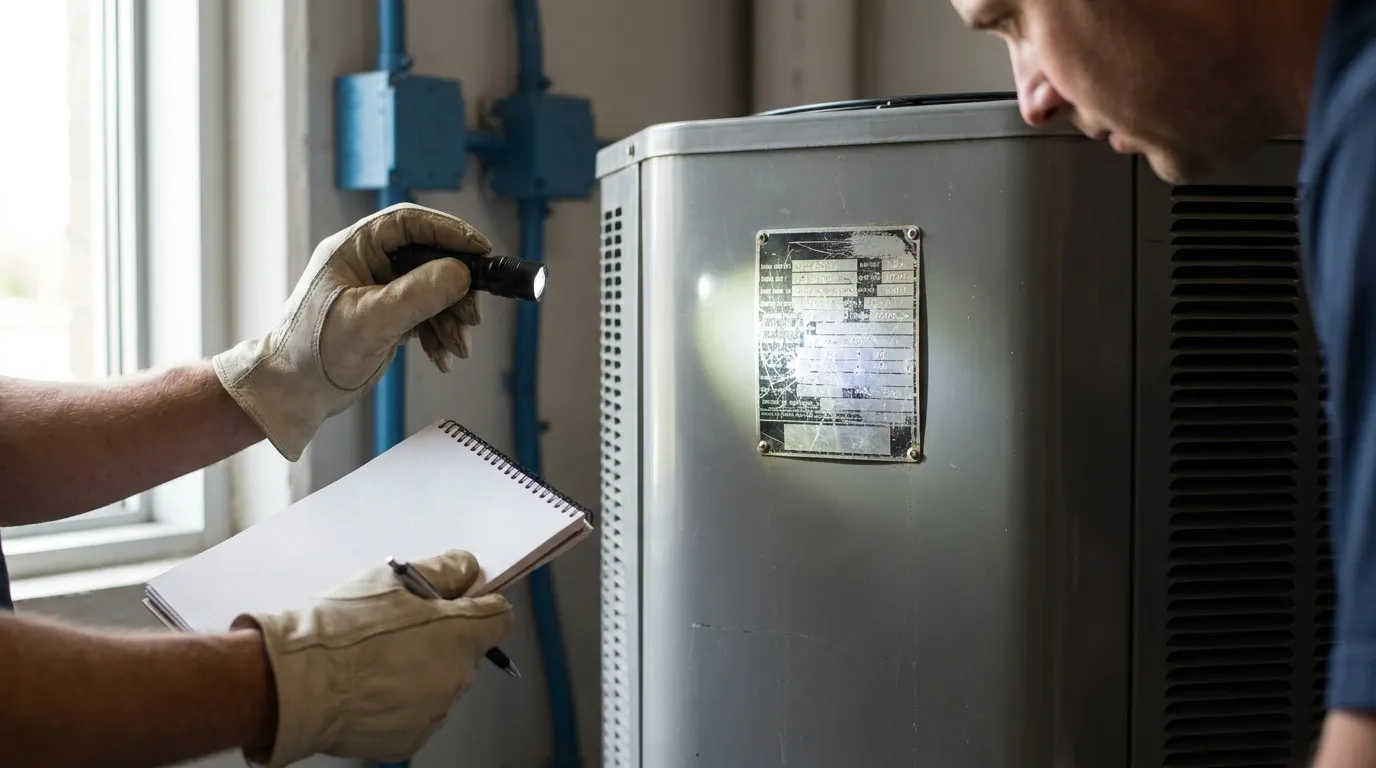
Verifying existing building voltage, phase, and capacity against the equipment nameplate and manufacturer requirements before any work begins.
Infrastructure Installation
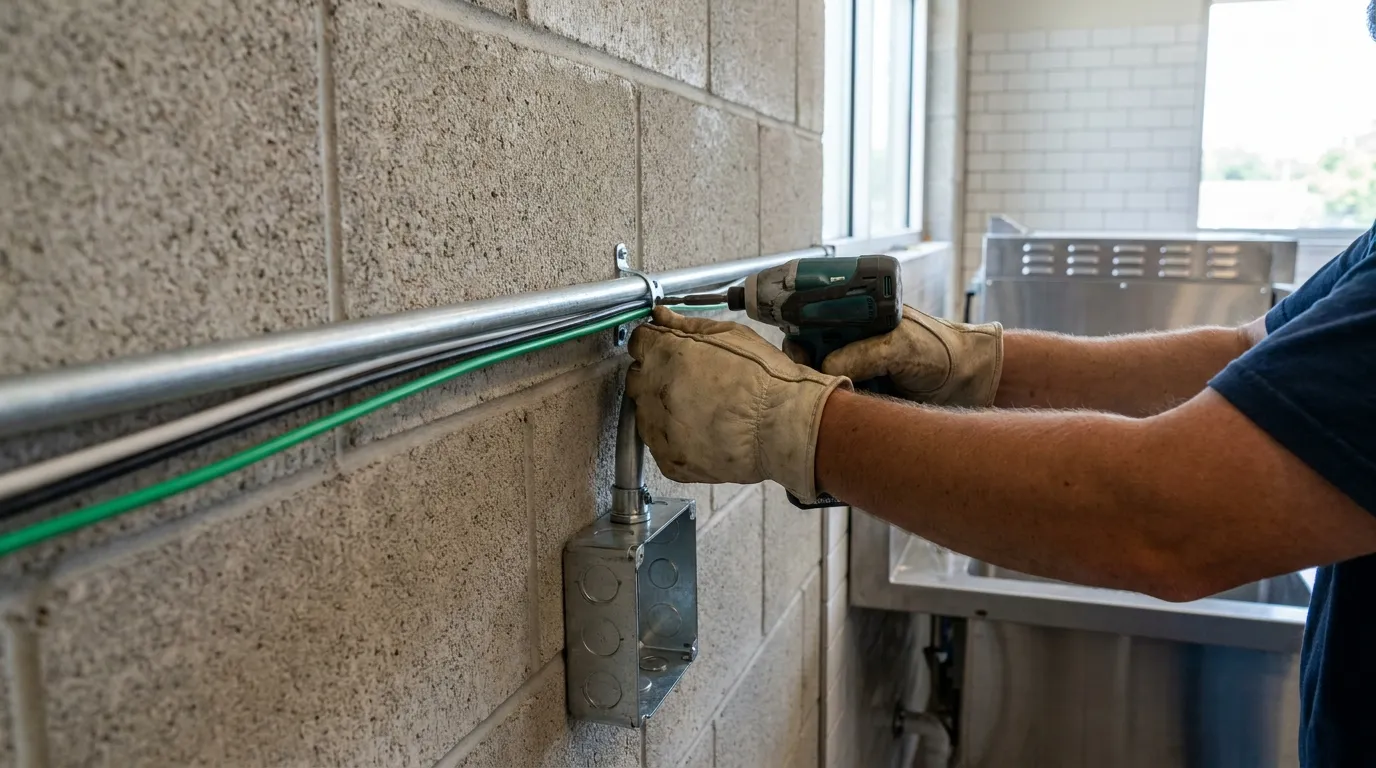
Installing new circuits, power drops, feeders, or dedicated receptacles to bring suitable and safe power directly to the equipment location.
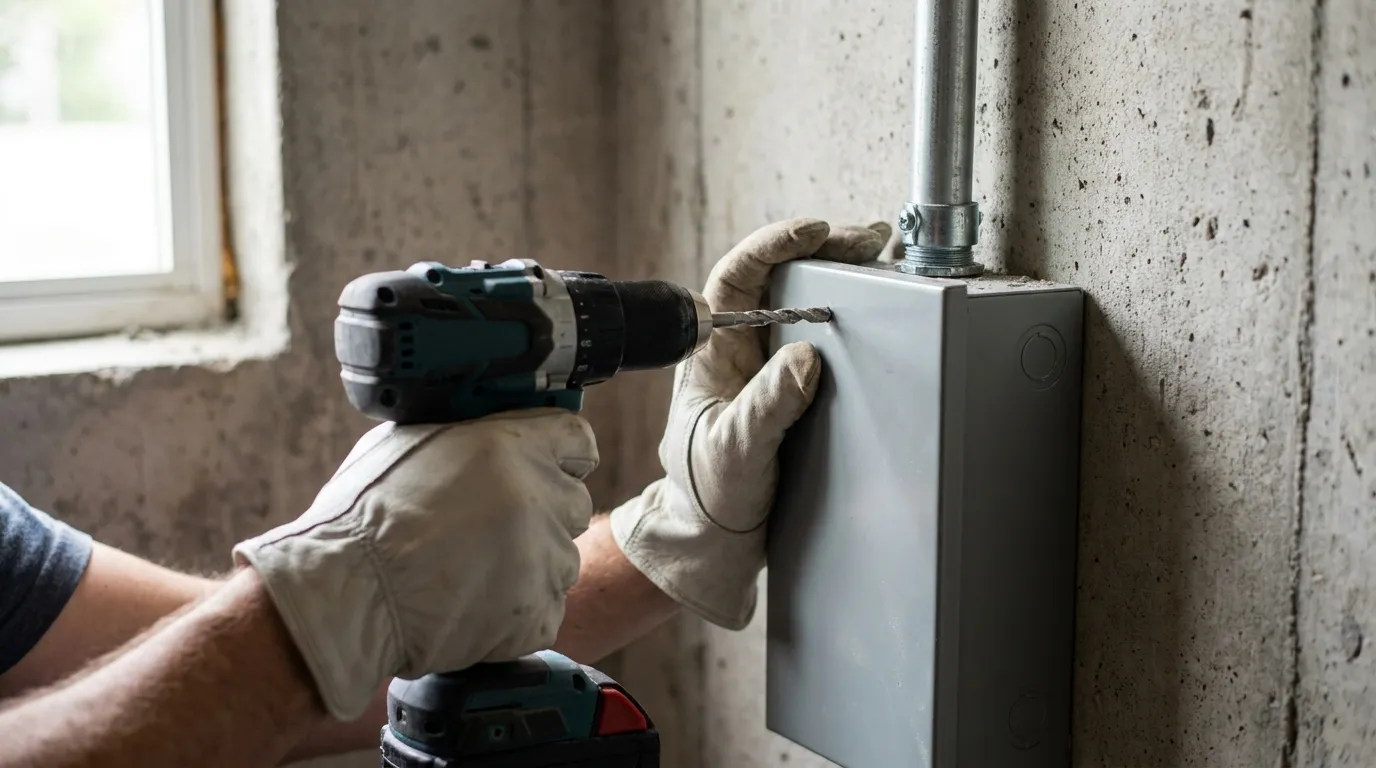
Local Disconnects & Conduit
Mounting fused or unfused disconnect switches and running flexible or rigid conduit for safe, code-compliant routing to the machine.
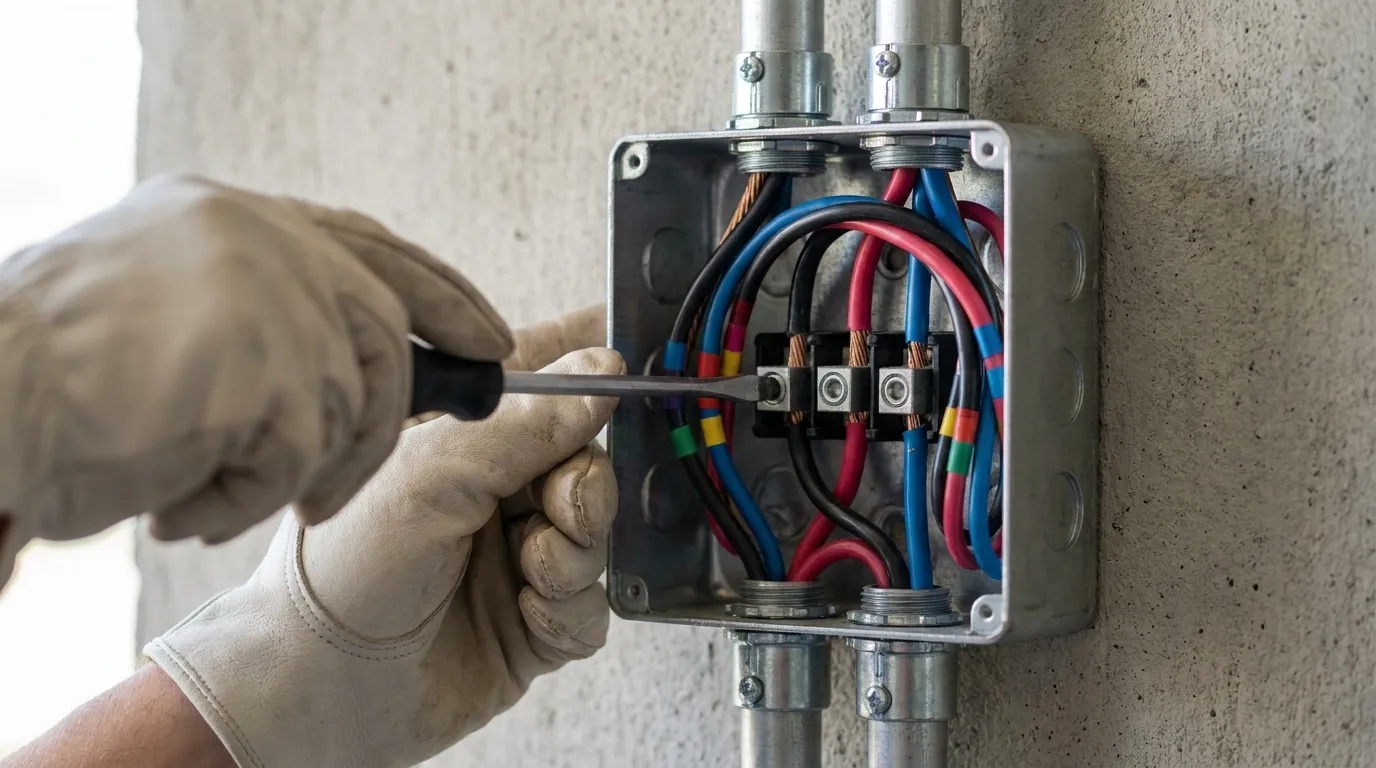
Final Electrical Connection
Completing the hardwired connection or specialized plug installation based on OEM requirements, site conditions, and vendor specifications.
Equipment Electrical Hookup vs. Internal Repair
In this service, industrial equipment wiring refers to building-side electrical supply and approved final connections—not internal machine automation or vendor scope.
Building Electrical Scope (Octopel)
Focus area
Building power and final hookup
Routing safe power from the panel to the equipment's designated connection point.
Typical components
Circuits, disconnects, conduit
Supplying the infrastructure required to energize the machine.
Required information
Nameplate, MCA, MOCP, voltage
Exact electrical specifications from the manufacturer manual.
OEM or Specialist Scope (Others)
Focus area
Internal machine controls
Wiring inside the machine itself, typically handled by the manufacturer.
Typical components
PLCs, automation, mechanicals
Proprietary electronics, motors, and automation logic.
Required information
Process programming, setup
Operational parameters and mechanical alignment instructions.
Equipment vendors often require an electrician to supply power while they handle startup and commissioning.
Responsibilities should be clearly defined with all stakeholders before the project begins.
How Equipment Electrical Hookup Works
A structured approach to safely power commercial machinery, from specification review to the final connection.
- Review Equipment SpecificationsWe assess the manufacturer's installation manual, nameplate data, required voltage, phase, and approved connection method.
- Verify Existing PowerWe check if the current building electrical system can support the new load safely or if infrastructure upgrades are needed.
- Define Vendor ResponsibilitiesWe coordinate with your general contractor, facility team, or equipment vendor to separate the electrical scope from OEM startup.
- Install Electrical SupplyWe route the necessary conduit, install local disconnects, and pull conductors from the panel to the exact equipment location.
- Complete Final HookupWe perform the final machine electrical hookup, label the circuits, and coordinate with vendors for functional testing.
Select Your Equipment Connection Scenario
Choose the situation that best matches your project to see how we handle commercial equipment wiring.
New Equipment Delivery
New machinery is arriving and needs to be connected to the building's electrical system exactly according to manufacturer specifications.
New Equipment Delivery
New machinery is arriving and needs to be connected to the building's electrical system exactly according to manufacturer specifications.
Why Choose Octopel for Equipment Hookups
We bring 10+ years of experience and a track record of 100+ commercial projects to every machine connection. We focus on exact specifications, clear vendor coordination, and safe, compliant installations.
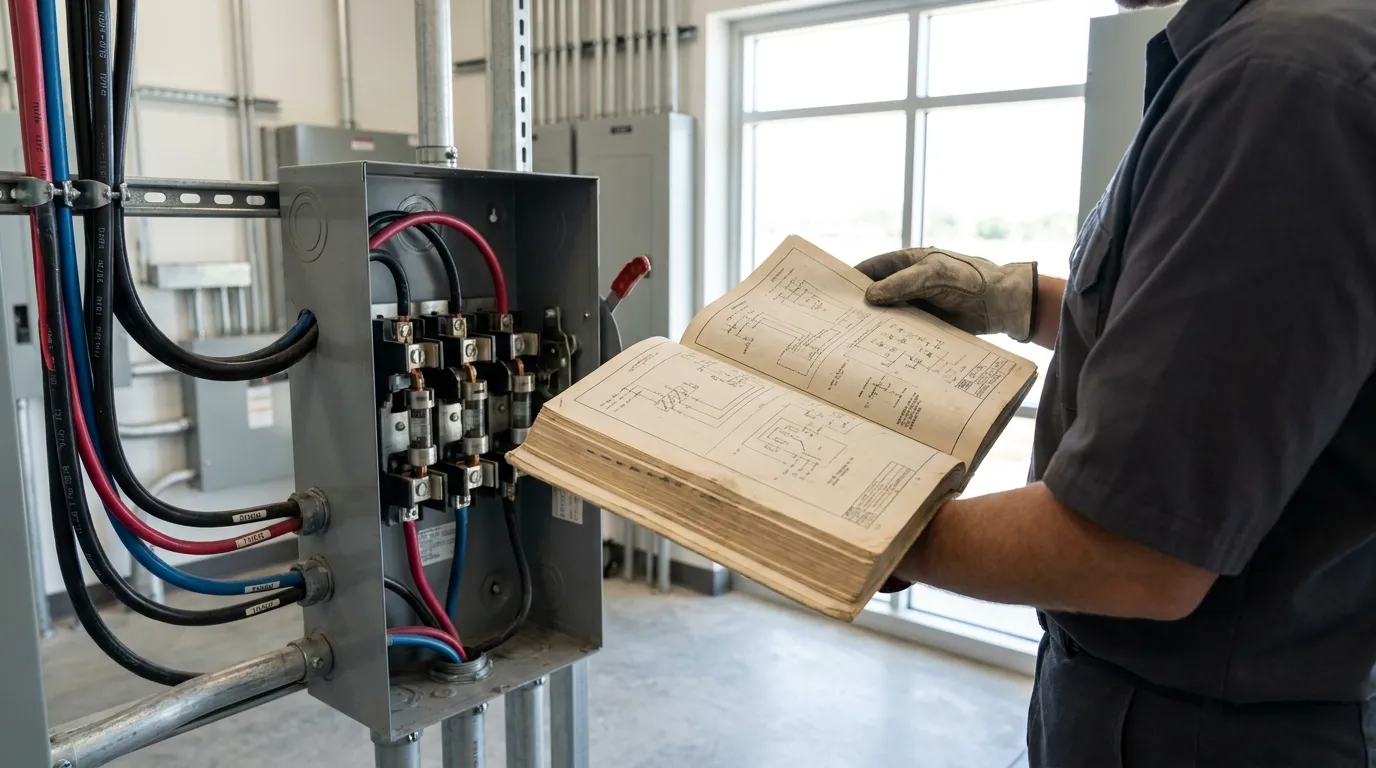
Exact Specification Review
We do not guess electrical requirements. Every project starts with a detailed review of nameplates, manuals, and vendor constraints.
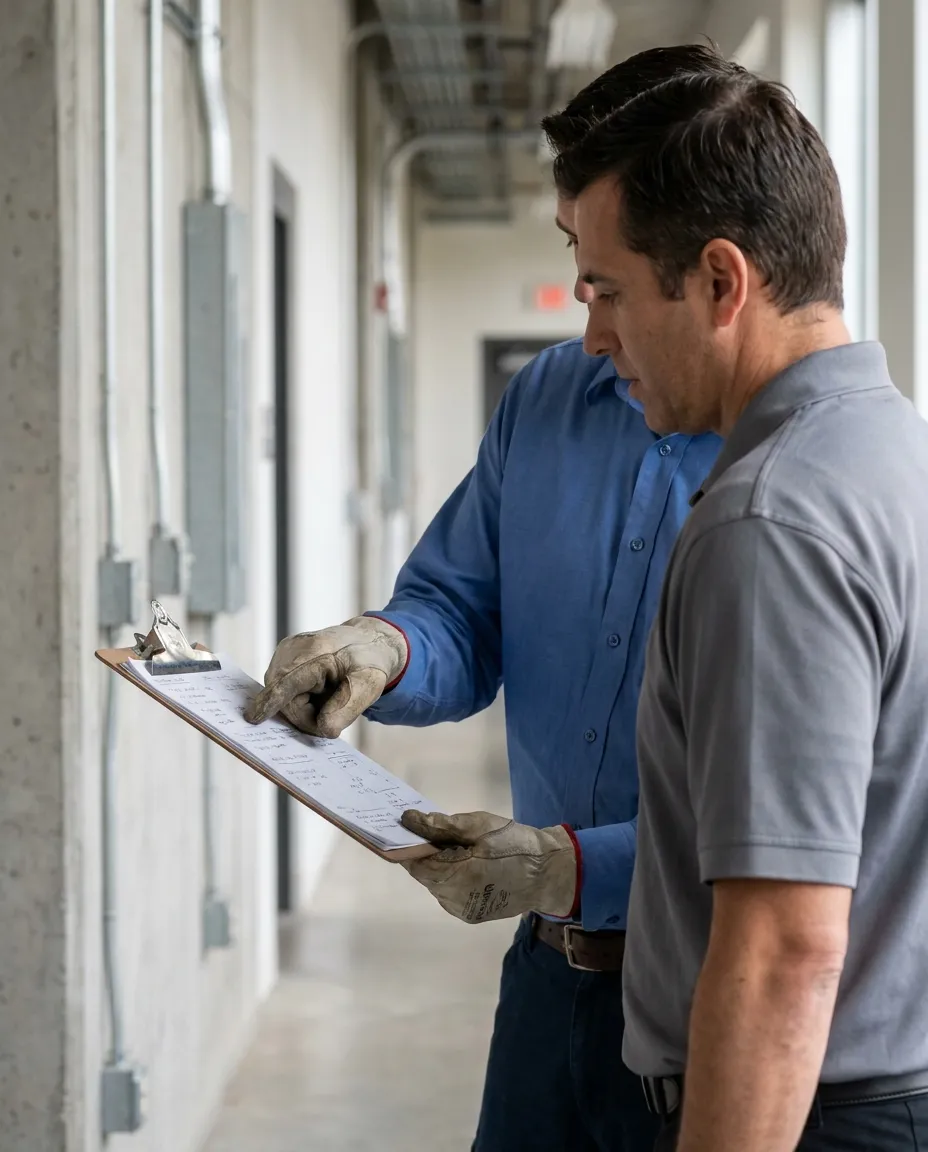
Clear Vendor Coordination
We work alongside general contractors, facility managers, and OEM technicians to ensure seamless handoffs and safe boundary definitions.
100+ Commercial Projects
Electrical work for commercial properties, facilities, and construction projects.
Washington Electrical Contractor
Washington electrical contractor registration OCTOPEL770O1.
Safe, Compliant Infrastructure
From proper grounding to exact overcurrent protection sizing, we work to ensure the building-side electrical supply matches the required load safely.
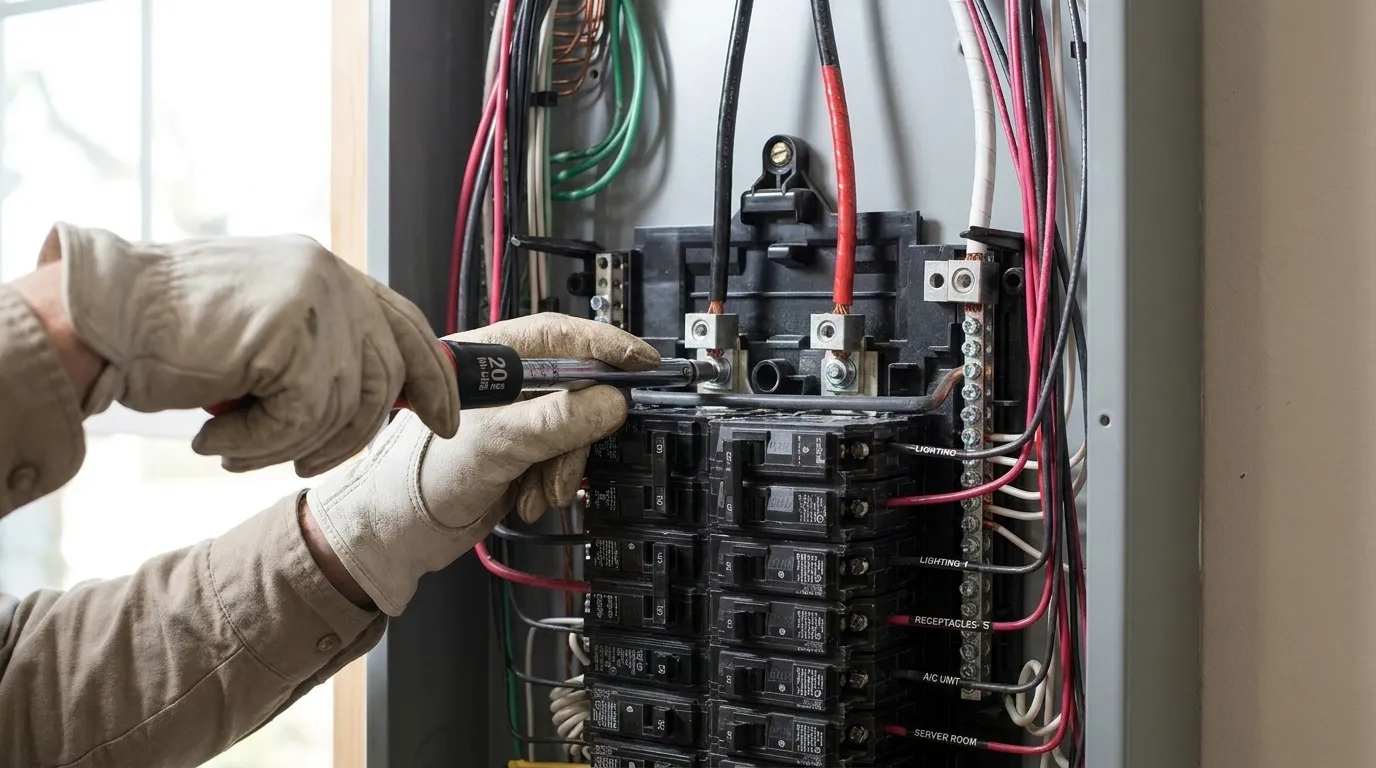
What Affects Equipment Hookup Scope
Electrical connection requirements vary widely. The total scope of work depends on several site and equipment variables.
Power Availability
Whether existing circuits are suitable or if new feeders, panels, or dedicated drops must be installed.
Connection Method
The difference between installing a standard commercial receptacle versus routing rigid conduit for a complex hardwired setup.
Distance and Access
The route length from the power source to the equipment location and whether work must be done in an active, occupied facility.
Vendor & Commissioning Needs
Coordination requirements, scheduled facility shutdowns, and whether multiple site visits are needed to align with the equipment installer.
Customer Reviews
Verified feedback from businesses across the region about commercial equipment electrical connections work.
Nathan R
Commercial property manager
They've done about five projects between my house and places I take care of. Good people. I had a tricky outdoor emergency exit light and he found a replacement and put it in for us.Read full review →
Banya FGM
Commercial client
We have exclusively used Octopel for any and all electrical projects at the commercial spa. Very knowledgeable team. Gets the works done fast and right.Read full review →
Nadya Kozlova
Commercial client
Dimitri is the only person I would trust with anything electrical both in my residence and many of my businesses. Exceptionally executed job, flawless results, and above the standard customer service. Always timely andRead full review →
Pi Lock
Residential and commercial client
I've been working with Dima, the owner of Octopel, on a variety of projects in Seattle for quite some time. His team has been outstanding on both residential and commercial electrical work, as well as access controlRead full review →
Megan Stuhlberg
Commercial client
The best electrician I have found in the greater Seattle area. Dmitri is responsive, incredibly smart and quick to solve any problem. He goes above and beyond to complete the job well and make the customer happy. As aRead full review →
Darla Morton
Commercial client
I have used this company for many electrical projects over several years. I am both a real estate broker and licensed contractor and really appreciate the knowledgeable and professional work.Read full review →
Pavel Dertyshnikov
Commercial client
I am a General Contractor and have been working with them for a year now, I can say with confidence that these guys are the best electrical contractor in Seattle area.Read full review →
Send Equipment Specifications
Submit your equipment details, nameplate photos, and location info. During business hours, a manager will respond within one hour to discuss the scope. On-site visits are scheduled based on the situation, location, and team availability.
Commercial Equipment Connections in Western Washington State
We provide commercial and supported industrial equipment wiring across Western Washington State, helping businesses safely power new and relocated machinery.
Availability and possible visit timing depend on the property location, reported problem, and team schedule.
Not sure whether your property is within the service area?
Commercial Equipment Electrical Connection FAQ
Answers to common questions about powering commercial machinery, vendor coordination, and connection requirements.
In this service, industrial equipment wiring refers to the installation of building-side electrical infrastructure and the final connection for supported machinery. It does not include internal machine automation, PLC programming, or mechanical OEM repairs.
An equipment electrical installation may include assessing existing power, installing dedicated circuits, routing conduit, mounting disconnect switches, and performing the final hardwired connection. Exact requirements depend on the equipment manual and site conditions.
A machine electrical hookup is the final step where the equipment is safely connected to the building's electrical supply. This could mean wiring the machine directly into a local disconnect or installing a specialized, heavy-duty plug specified by the manufacturer.
No. Exact specifications—including voltage, phase, minimum circuit ampacity, and maximum overcurrent protection—must be reviewed before any final design or hookup begins to ensure a safe and compliant connection.
No. While many large motors, compressors, or specialized appliances require Commercial Power Drops & Dedicated Circuits, smaller equipment might safely use an existing circuit if the load and voltage align properly with the equipment requirements.
Sometimes, after a strict compatibility assessment. We must verify that the voltage, phase, circuit protection, and conductor sizes are completely suitable for the new load before reusing any existing power source.
Commercial equipment wiring typically covers the route from the electrical panel to the equipment location. This involves sizing the breakers, running the appropriate wire through conduit, and coordinating the final connection with your facility team or general contractor.
Not automatically. Our scope typically stops at the final power connection points designated by the manufacturer. Internal proprietary wiring, motor repairs, or Commercial Wiring Repair inside the unit are generally handled by an equipment specialist.
Not necessarily. While we test our electrical connections to ensure proper voltage and phase rotation, functional startup, programming, and mechanical commissioning are often the responsibility of the equipment vendor or OEM technician.
Yes, depending on the scope. We can safely disconnect the machinery, assess the new location, install or modify the required power infrastructure, and reconnect the equipment once it has been mechanically moved into place.