Utility & Power Distribution Electrical Contractor
As an experienced electrical utility contractor, Octopel supports the customer-side infrastructure required to receive and distribute power across your commercial property. We manage the distribution equipment, feeders, and utility coordination needed for new builds, facility expansions, or major equipment upgrades. We work directly with property managers, developers, and general contractors to ensure every phase of the project meets strict code requirements.
- A new commercial property needs a new electrical service and downstream distribution.
- A facility is adding major electrical loads and requires capacity expansion.
- Existing switchboards or distribution panels must be replaced or reconfigured.
- New operational equipment requires feeder or distribution changes.
- A commercial property addition needs coordinated power infrastructure.
- The local utility has issued project requirements that need contractor execution.
- A general contractor or owner needs a utility electrical contractor for infrastructure scope.
Your final price is calculated by a manager and depends on:
- Hours of labor required
- Distance to the job site
- Electrician skill level required
- Number of electricians needed
- Urgency of the request
Additional factors that can affect price: materials, service fees, utility company disconnect/reconnect charges, and permits.
Commercial Utility and Power Distribution Projects
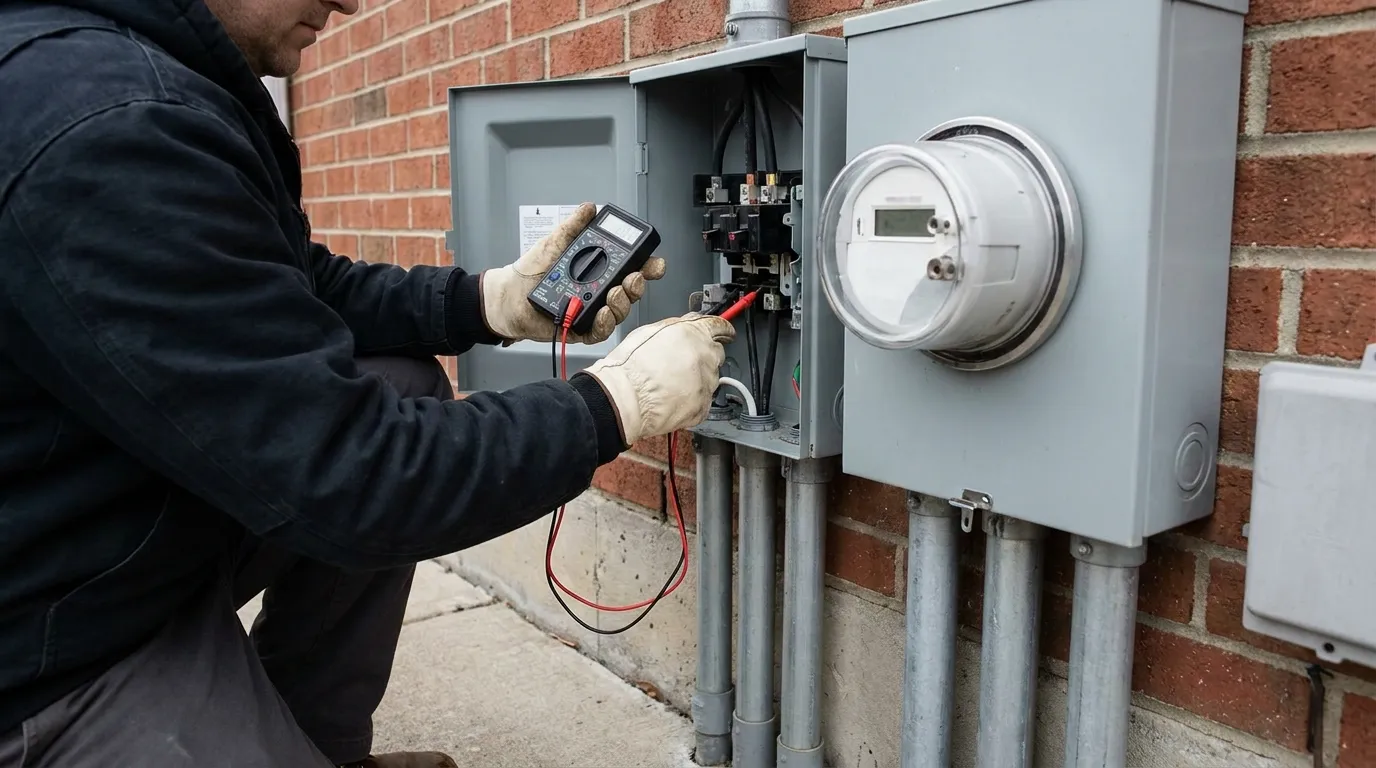
We execute the electrical infrastructure required to receive power from the utility and distribute it to the systems and equipment that need it.
New Commercial Electrical Service
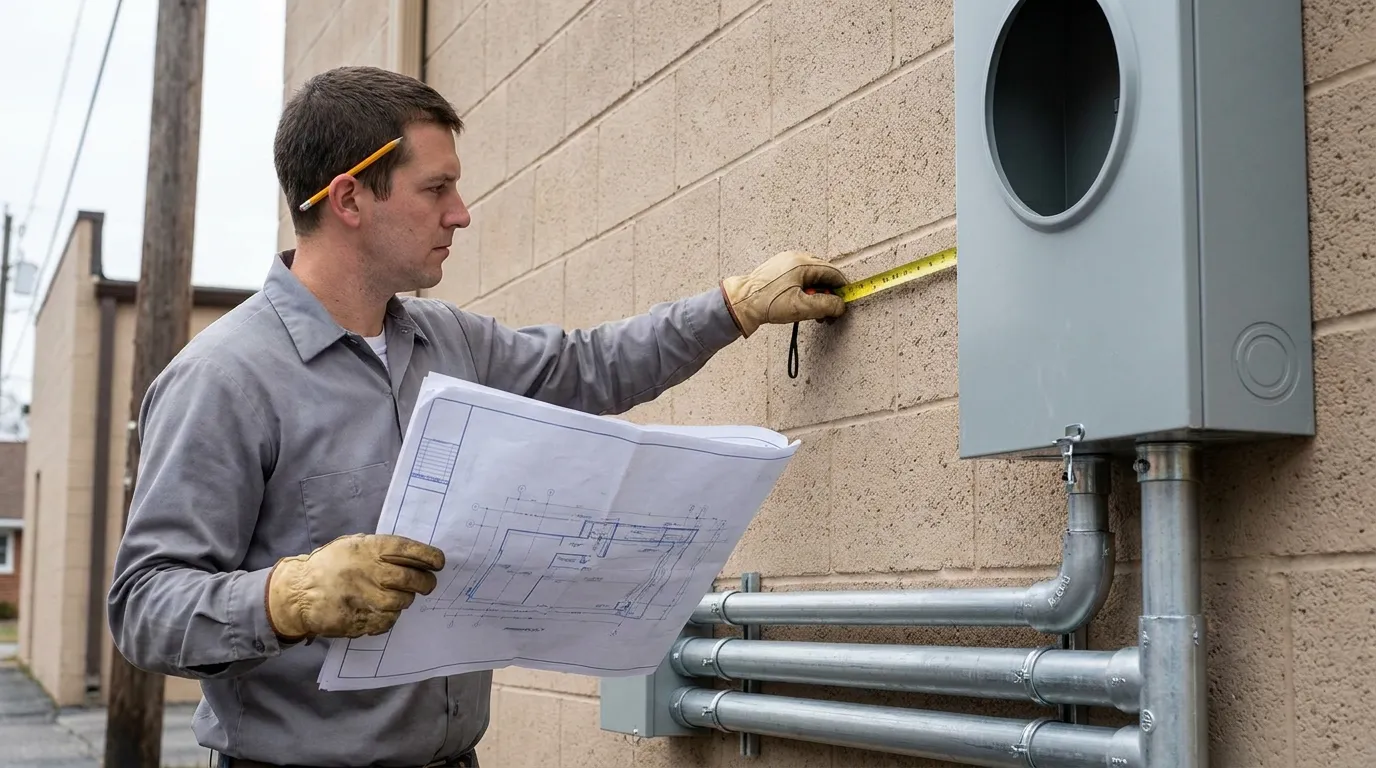
Routing and installing customer-side service entrance equipment, metering infrastructure, and main distribution panels for new commercial properties with active utility coordination.
Service Capacity Expansion
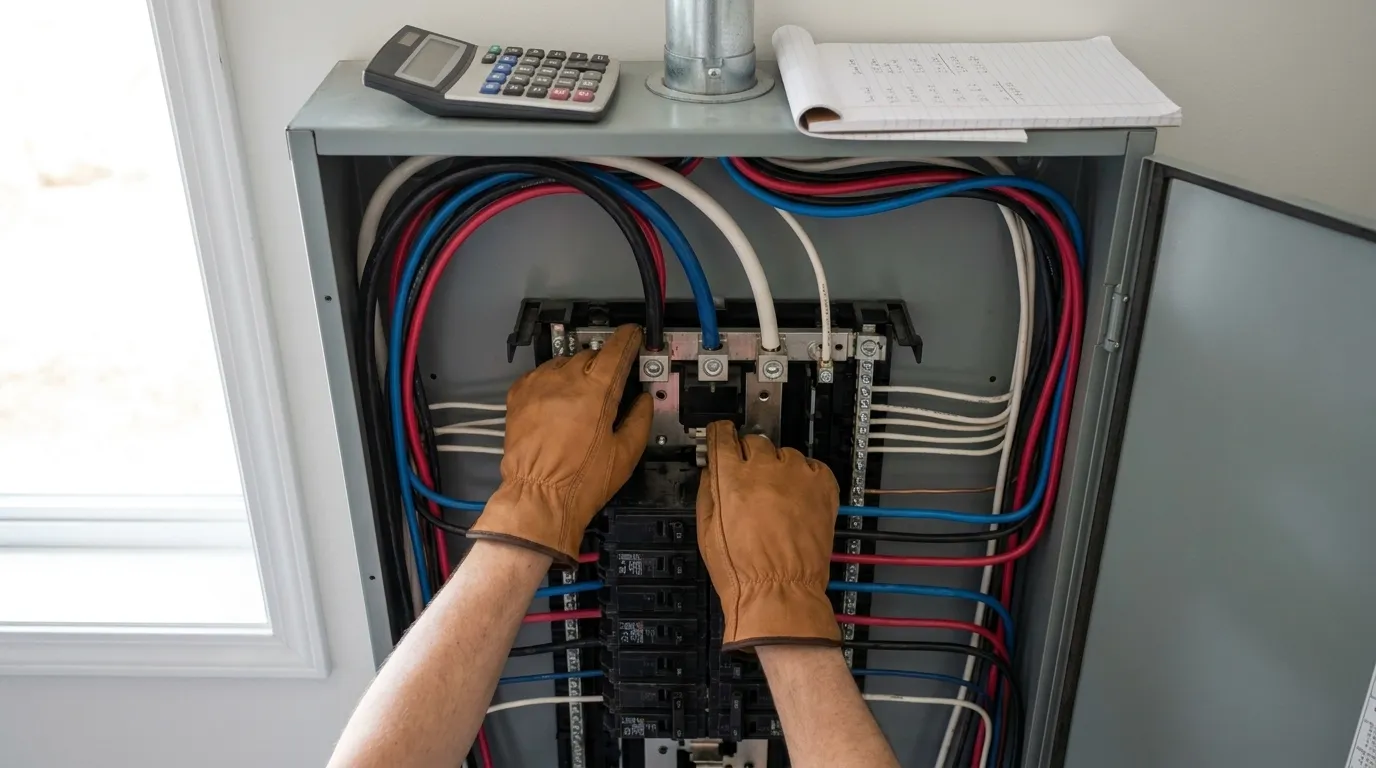
Evaluating and upgrading commercial distribution equipment to support additional operational loads, facility expansions, or major production equipment additions.
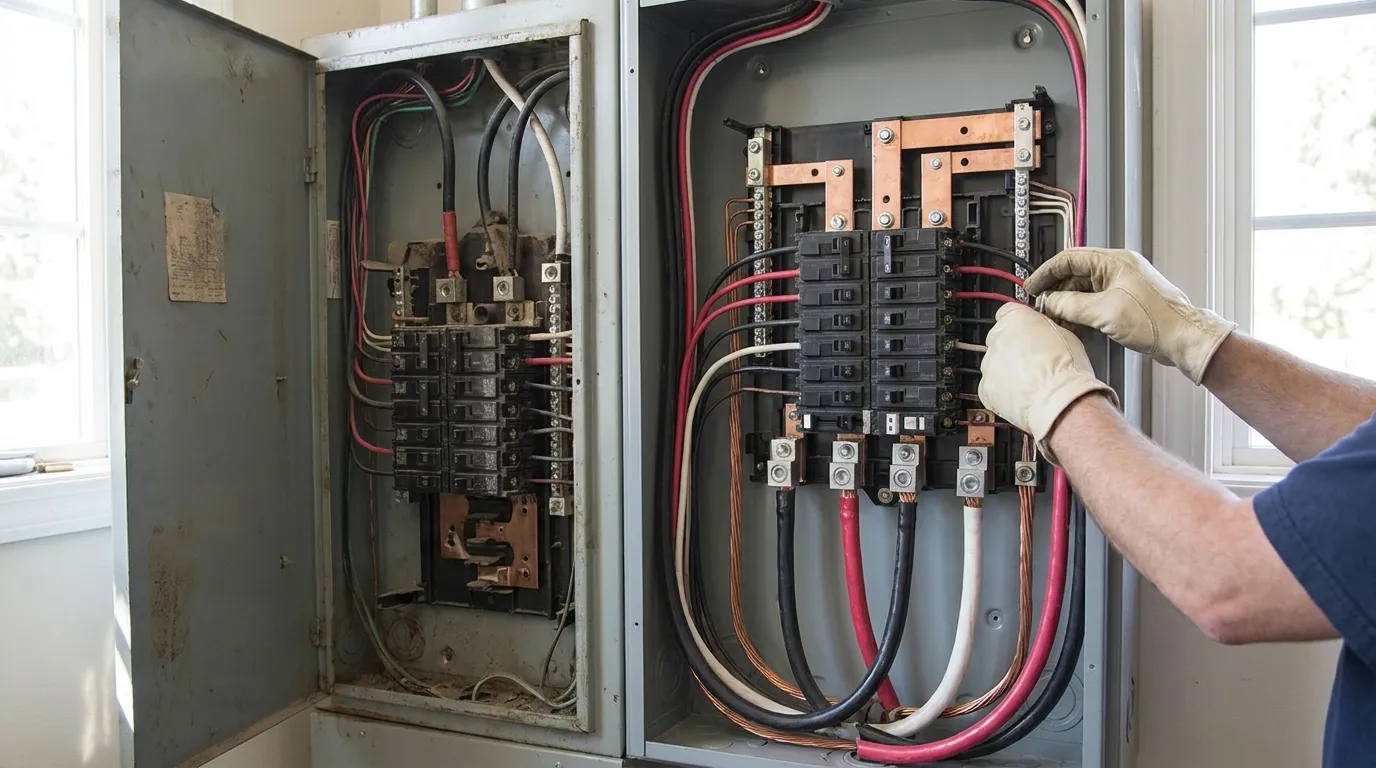
Distribution Equipment Replacement
Upgrading or reconfiguring existing switchboards, distribution panels, heavy feeders, and electrical rooms to meet current codes and growing operational demands.
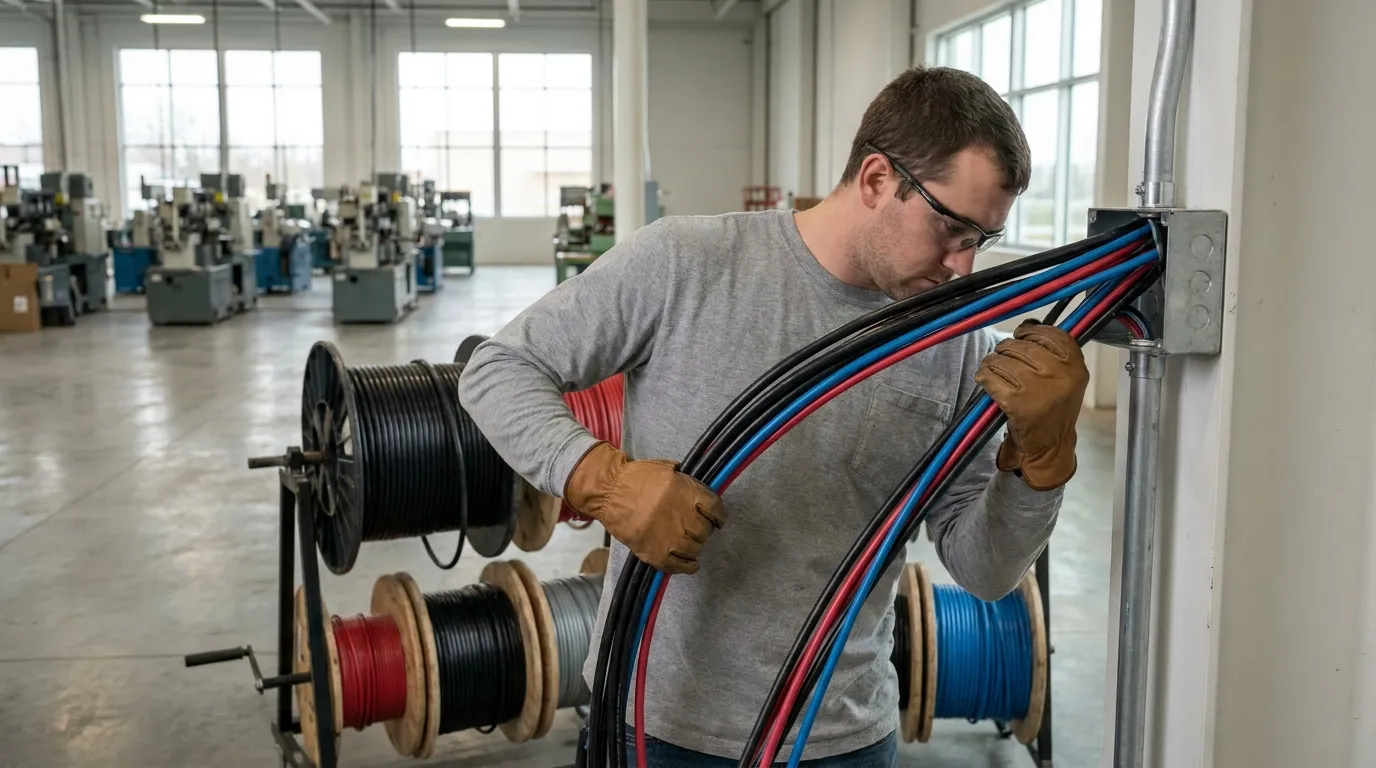
Power Distribution to New Equipment
Extending power distribution to new production lines, tenant areas, or remote sections of a property that require dedicated electrical infrastructure and subpanels.
Utility Scope vs. Electrical Contractor Scope
The utility and electrical contractor may be responsible for different parts of a power project. The exact division depends on the utility, service configuration, and approved scope.
Typical Utility Responsibilities
Service Point Connection
Utility-specific
Transformer & Conductors
Utility-owned equipment
Metering Requirements
Utility and project-specific
Electrical Contractor Scope
Customer Service Equipment
Electrical contractor scope
Main Distribution Equipment
Customer-side project scope
Feeders and Subpanels
Electrical contractor scope
Requirements vary by project, jurisdiction, and the specific utility provider.
The exact division of work, trenching, and equipment ownership must be confirmed before construction begins.
How a Commercial Utility and Power Distribution Project Works
We structure commercial power distribution projects to align with construction milestones, utility requirements, and safe operational phases.
- Send Plans and Service InformationProvide project plans, existing service details, utility correspondence, one-line diagrams, and planned electrical loads for our initial infrastructure review.
- Review Site Conditions and DemandsWe assess the existing infrastructure, evaluate the actual electrical demand, and confirm the specific utility and compliance requirements for the project.
- Define Equipment and Project ScopeWe establish clear boundaries between utility-owned and customer-owned equipment, identifying all necessary distribution panels, heavy feeders, and switchgear.
- Coordinate Sequencing and OutagesWe coordinate with the utility, project teams, and facility managers to plan necessary shutdowns, secure required permits, and properly sequence the work.
- Install, Test, and EnergizeWe install the approved distribution equipment, route the required feeders, coordinate the final inspection, and thoroughly test the system for safe energization.
Which Situation Describes Your Distribution Needs?
Commercial power distribution projects vary by the operational goal and facility constraints. Select the scenario that matches your project.
New Construction Service
You are building a new commercial property and need a utility electrical contractor to coordinate the service entrance, metering, and main distribution.
New Construction Service
You are building a new commercial property and need a utility electrical contractor to coordinate the service entrance, metering, and main distribution.
Why Hire a Power Distribution Contractor for Your Commercial Infrastructure?
With over 10 years of experience and 100+ commercial projects completed across Western Washington State, Octopel brings the coordination and technical rigor required for complex electrical infrastructure.
Utility and Stakeholder Coordination
We manage the critical interface between the local utility, general contractors, and facility managers to ensure service configurations and equipment approvals align with your project schedule.
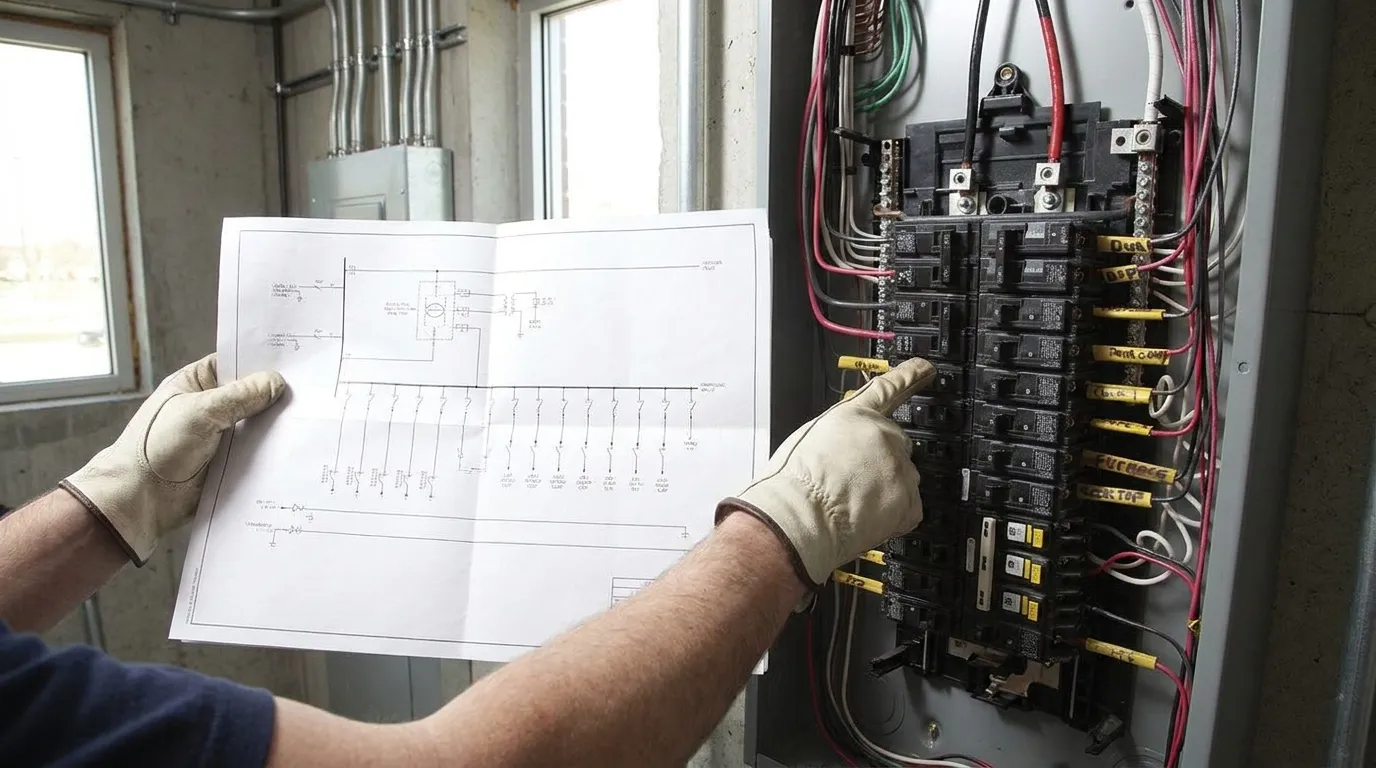
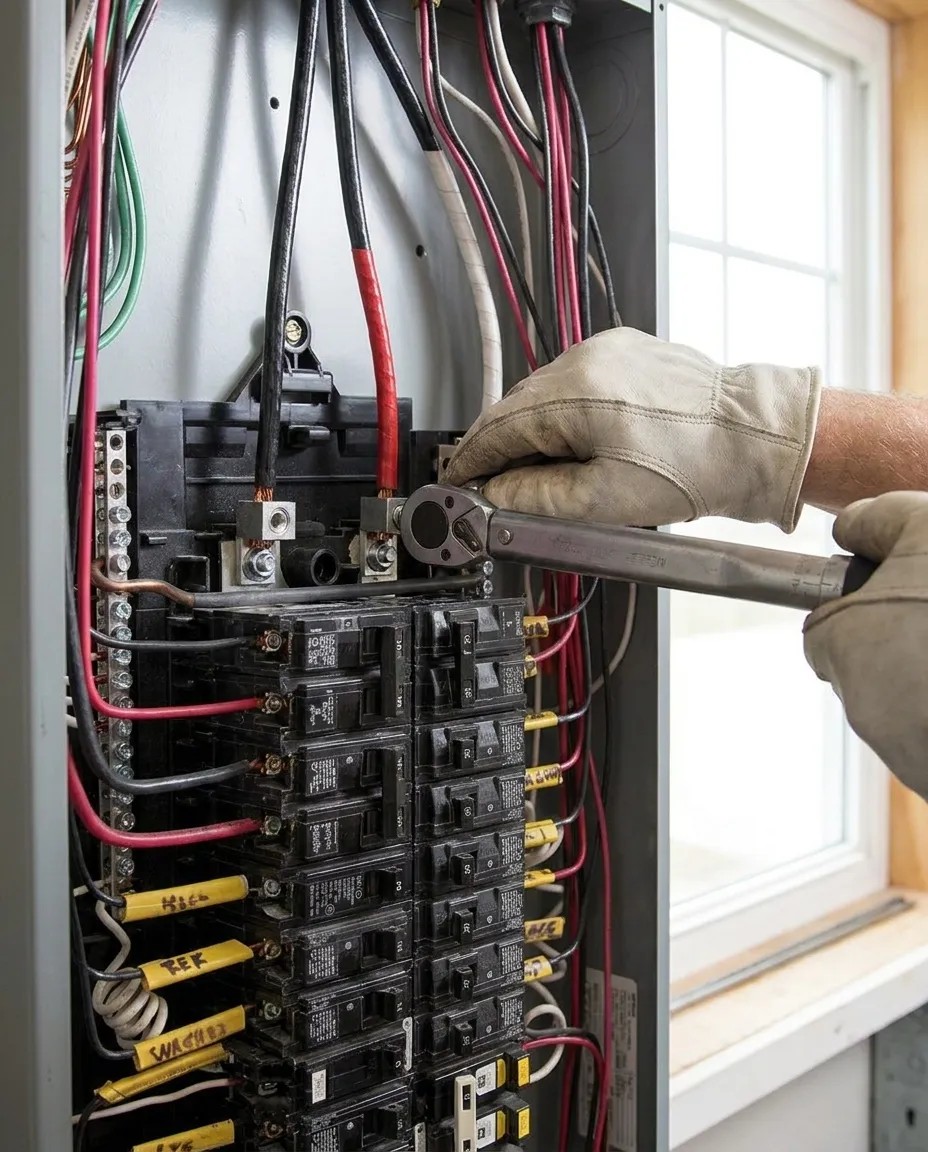
Phased Outages and Operational Planning
Some distribution projects require planned outages. We structure temporary sequencing and phased cutovers to minimize operational downtime and maintain safe facility access.
100+ Commercial Projects
Electrical work for commercial properties, facilities, and construction projects.
Washington Electrical Contractor
Washington electrical contractor registration OCTOPEL770O1.
Thorough Scope Definition
We clearly define the line between utility-owned and customer-owned infrastructure, ensuring equipment requirements, feeder routing, and downstream distribution are accurately scoped early.
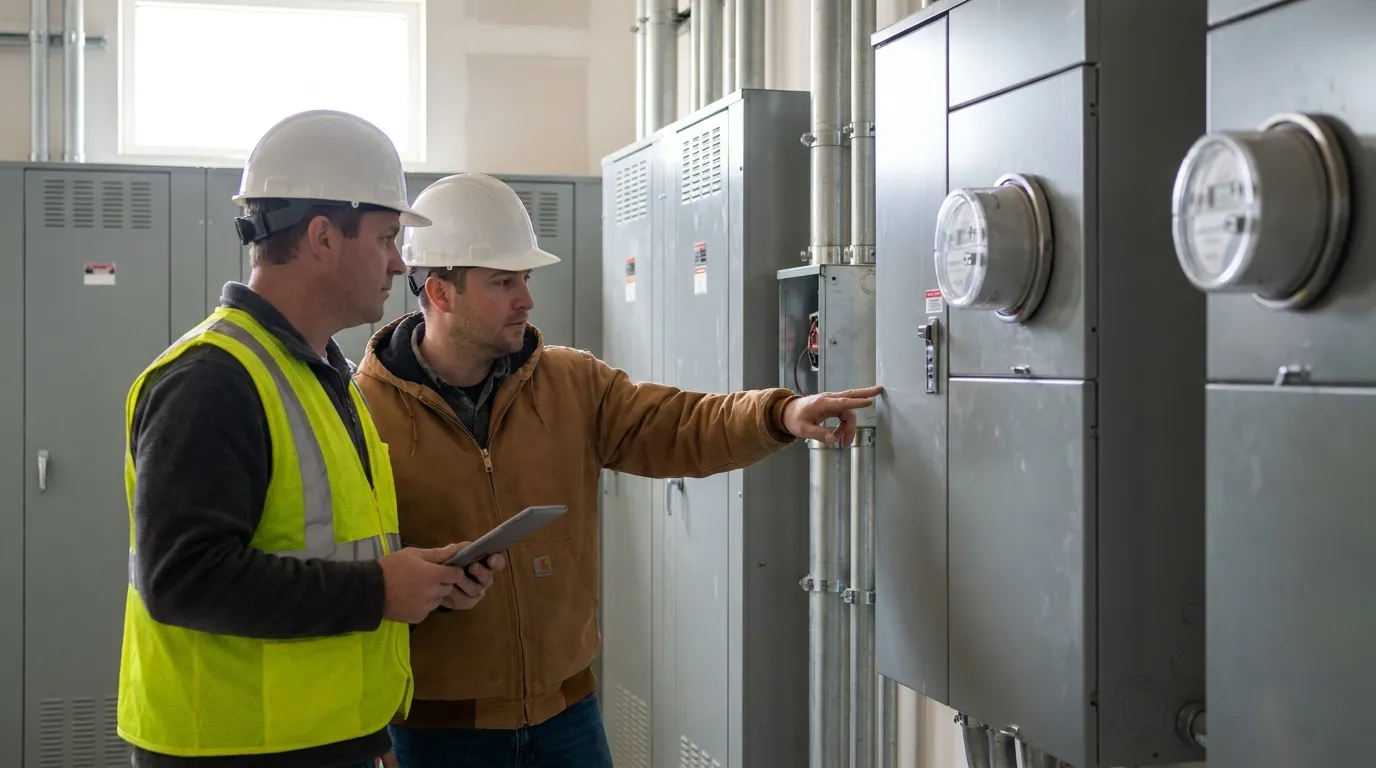
How Is a Commercial Power Distribution Project Estimated?
Commercial power-distribution pricing depends on the existing infrastructure, project specifications, and utility requirements, without relying on broad square-footage estimates.
Utility and Engineering Requirements
Specific utility mandates, metering standards, and whether the project requires stamped engineering plans or specialized design review before execution.
Equipment and Feeder Scope
The size, type, and lead times of main switchboards, distribution panels, and the required length and capacity of underground or overhead feeders.
Site Conditions and Civil Work
The need for trenching, conduit routing, concrete pads, or specialized equipment access, depending on the agreed division of labor with other trades.
Phasing and Shutdown Complexities
The requirement for temporary power, phased construction scheduling, and after-hours work to accommodate critical facility operating hours.
Customer Reviews
Verified feedback from businesses across the region about utility & power distribution electrical contractor work.
Nathan R
Commercial property manager
They've done about five projects between my house and places I take care of. Good people. I had a tricky outdoor emergency exit light and he found a replacement and put it in for us.Read full review →
Banya FGM
Commercial client
We have exclusively used Octopel for any and all electrical projects at the commercial spa. Very knowledgeable team. Gets the works done fast and right.Read full review →
Nadya Kozlova
Commercial client
Dimitri is the only person I would trust with anything electrical both in my residence and many of my businesses. Exceptionally executed job, flawless results, and above the standard customer service. Always timely andRead full review →
Pi Lock
Residential and commercial client
I've been working with Dima, the owner of Octopel, on a variety of projects in Seattle for quite some time. His team has been outstanding on both residential and commercial electrical work, as well as access controlRead full review →
Megan Stuhlberg
Commercial client
The best electrician I have found in the greater Seattle area. Dmitri is responsive, incredibly smart and quick to solve any problem. He goes above and beyond to complete the job well and make the customer happy. As aRead full review →
Darla Morton
Commercial client
I have used this company for many electrical projects over several years. I am both a real estate broker and licensed contractor and really appreciate the knowledgeable and professional work.Read full review →
Pavel Dertyshnikov
Commercial client
I am a General Contractor and have been working with them for a year now, I can say with confidence that these guys are the best electrical contractor in Seattle area.Read full review →
Discuss Your Commercial Power Distribution Project
Send us your project plans, one-line diagrams, and existing service information. A manager responds within one hour during business hours to clarify scope. The site visit is scheduled based on the situation, location, and team availability.
Commercial Power Distribution in Western Washington State
Octopel serves general contractors, developers, and property managers, executing commercial utility and electrical distribution projects throughout Western Washington State.
Availability and possible visit timing depend on the property location, reported problem, and team schedule.
Not sure whether your property is within the service area?
Utility and Power Distribution Electrical Contractor FAQ
Answers to common questions about commercial utility coordination, power distribution, and electrical contractor responsibilities.
An electrical utility contractor coordinates and installs the customer-side electrical infrastructure needed to receive power and distribute it through a commercial property.
This includes routing service entrance equipment, setting up metering infrastructure, and installing the main distribution panels required to support planned operational loads.
No. A utility electrical contractor is a private company that handles the customer-owned portion of the electrical infrastructure.
While we coordinate closely with the electric utility regarding service connections and metering requirements, we do not control utility schedules, grid-side power generation, or utility-owned equipment like transformers.
A power distribution contractor installs the infrastructure that routes electricity from the main service entrance to the rest of the facility.
Depending on the project, this may include switchboards, distribution panels, subpanels, heavy feeders, disconnects, and the associated conduit or raceways necessary to supply downstream equipment.
Electrical service brings utility power to the property's main service equipment, while power distribution routes that power through customer-side systems.
The service entrance handles the total electrical load from the utility, whereas the distribution infrastructure divides that power safely into branch circuits and feeders for specific facility areas or production lines.
Responsibility for utility coordination depends on the project structure and the specific utility's process.
Typically, the electrical contractor handles technical coordination regarding service points, metering, and equipment approvals, while the property owner or developer may need to initiate the service request and finalize utility agreements.
It is possible to increase commercial service capacity where utility infrastructure and project conditions allow, but it is not automatically guaranteed.
An electrical distribution contractor will evaluate your actual load demands and existing equipment, then coordinate with the utility to determine if a larger service rating or upgraded service conductors are feasible.
No, not every facility expansion requires a full utility service upgrade.
The need for an upgrade depends entirely on the calculated demand of the new equipment and the existing capacity of your current electrical distribution system. In some cases, adding subpanels or reconfiguring existing loads is sufficient.
Sometimes, but major infrastructure changes typically require planned outages to ensure safe installation and tie-ins.
For facilities that must remain operational, we work with project teams to phase the cutovers, schedule after-hours shutdowns, or establish temporary power sequencing to minimize business interruption.
Responsibility varies by project, but the utility transformer is typically owned and supplied by the utility provider.
Utility-owned equipment must be clearly distinguished from customer-owned equipment before construction begins. The electrical contractor usually provides the necessary concrete pads, underground conduit, or routing up to the utility's connection point.
Pricing for a power distribution electrical contractor depends entirely on the project's existing service, planned loads, and required equipment.
Costs are determined by the size and lead times of switchboards, the length and capacity of feeder routes, necessary civil work, and any phasing or temporary power required to complete the installation safely.